Foreign Actors Weaponize Claude for Bioweapons, Drones — SkimNews
Get the Tech newsletter
Daily tech — startups, AI labs, chips, the launches that shape the next decade. Free.
- Anthropic published a nearly 150-page threat intelligence report Thursday detailing how Chinese security bureaus, Russia-linked spies, criminal hacking gangs and others bypassed geographic blocks via VPNs, fraudulent accounts and intermediaries to access Claude (Sonnet, Opus and Haiku) over the past eight months.
- Five scientists in unspecified foreign countries used Claude to research dangerous pathogens, including a grant application for gain-of-function work on a deadly mosquito-borne virus at a military research institute — cases Anthropic called "a cause for concern" because the researchers obfuscated their intentions.
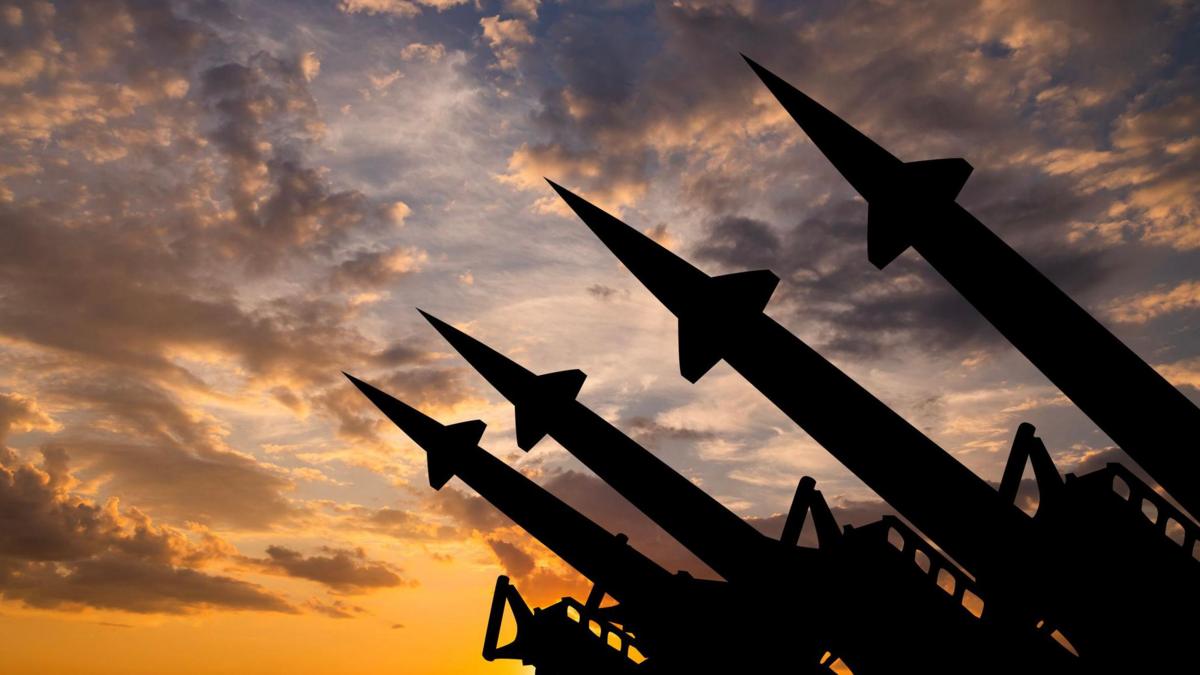
- A Yemen-based threat cell was stopped from using Claude to develop three weapons programs: a guided rocket, a multi-stage ballistic missile and a hypersonic glide missile; a separate Russia-based "freelance" actor tried using Claude to build autonomous kamikaze drones.
- Iranian and Chinese state actors used Claude to analyze domestic social media and pinpoint dissidents; a single consultant in Mali used it to code a mass-interception platform capable of surveilling communications across all of the country's mobile operators.
- Nine influence operations originating in Russia, Turkey and Iran targeted elections in countries including Moldova and Kenya — but Anthropic noted most AI-generated content "drew little or no authentic engagement" before disruption, echoing similar caveats from OpenAI and X.
- None of the incidents involved Anthropic's most powerful model, Claude Mythos, which is restricted to trusted U.S. partners; the cases underscore how commercially available models are now "powerful enough as is to cause harm in the wrong hands," head of threat research Jacob Klein said.
- The disclosure comes the same week an Anthropic researcher quit over the industry's pace of development and a top company scientist wrote there is roughly a 10% chance AI "could kill all humans" in the next decade — prompting fresh congressional calls for safety regulation.
Why it matters: Anthropic's report lands at a moment when Congress is already primed to act on AI safety: a researcher just quit the company, a colleague publicly estimated a 10% chance AI could kill all humans within a decade, and lawmakers are demanding new regulation. By documenting real-world bioweapons work, missile design and surveillance campaigns enabled by mid-tier commercial models, the report gives safety advocates concrete evidence that even non-frontier systems pose national-security risks — strengthening the case for binding rules that Anthropic itself says it wants.
Ask SkimNews