U.S. Sold Euros, Not Dollars, to Prop Up Yen — SkimNews

Get the Finance newsletter
Daily finance — markets, central banks, M&A, the prints that move money. Free.
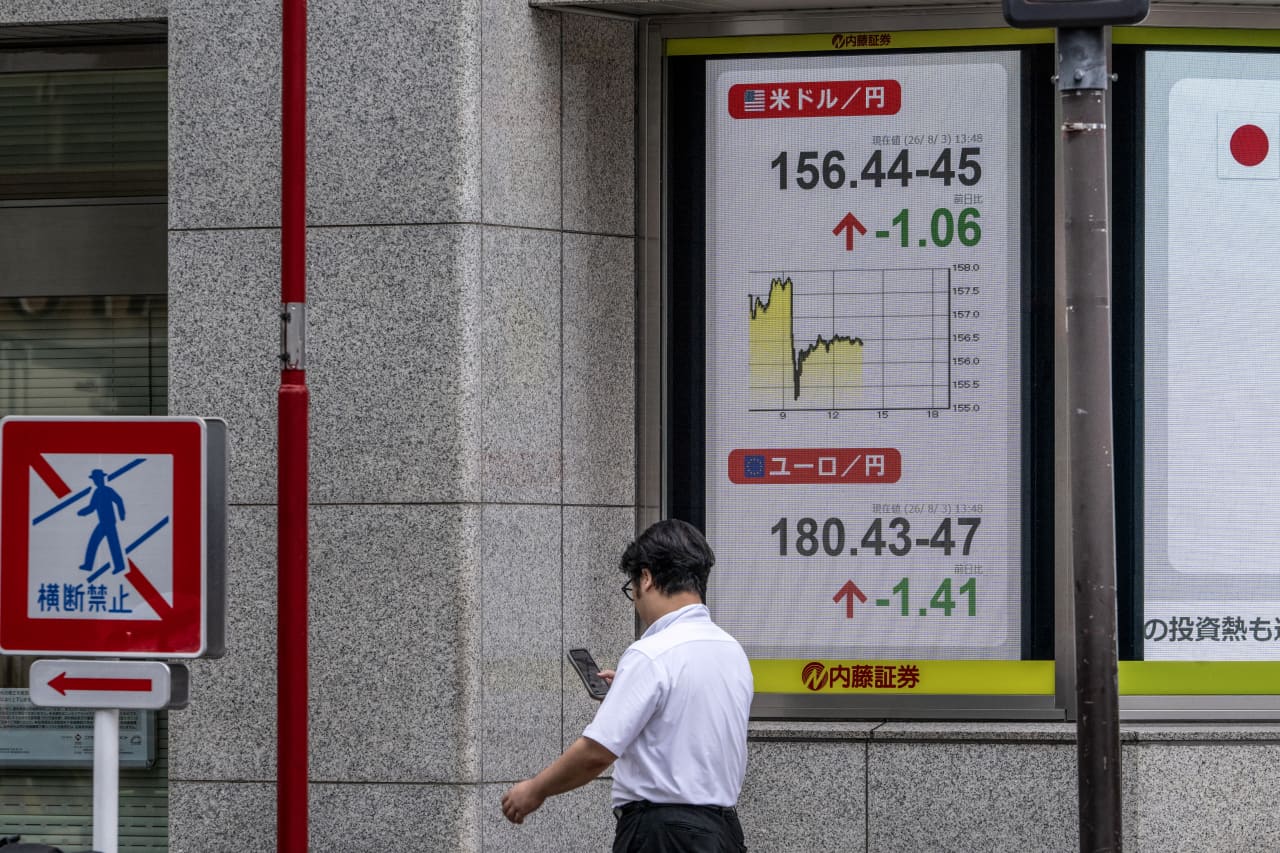
- Japan's yen rose roughly 5% after U.S.-Japan coordinated intervention, climbing from above 163 per dollar — a four-decade low — to 157 before paring gains on Monday
- UBS strategists Teck Leng Tan and Dominic Schnider said Japan's policy mix is unlikely to generate sustained yen strength, noting real rates remain negative and BoJ policy normalization will be gradual
- The U.S. Treasury reportedly sold euros rather than dollars to buy yen — a departure from the traditional approach of funding coordinated intervention with dollar assets
- ING's Chris Turner said dollar resilience on Monday 'probably owes to the unresolved issue of whether the Federal Reserve will hike in September,' since the prospect of higher rates boosts demand for Treasurys
- HSBC analysts said faster BoJ rate hikes, a clearer Japanese government stance on yen weakness, and dialled-back fiscal expansion are all needed before they can project a sustained USD-JPY downtrend
- Robin Brooks of the Brookings Institution warned the intervention could backfire, arguing that selling euros 'undercuts the efficacy of U.S. participation' because markets will question why the U.S. didn't simply use dollars — and may infer officials were trying to spare Japan from selling U.S. Treasurys
Why it matters: The intervention bought the yen a 5% bounce from a four-decade low, but the U.S. selling euros instead of dollars suggests reluctance to part with Treasury assets — a signal that, per Brookings' Robin Brooks, undermines credibility rather than reinforcing it. With the Fed's September rate path unresolved and the BoJ moving only gradually, analysts at UBS, HSBC, and ING see no structural floor under the yen.
Ask SkimNews