Oil Jumps Above $83 as Iran Sets Hormuz Conditions — SkimNews

Get the Finance newsletter
Daily finance — markets, central banks, M&A, the prints that move money. Free.
- Oil futures surged — WTI gained 1.3% to $83.20/barrel and Brent advanced 1.36% to $88.91/barrel, with prices up more than 6% this week as hopes for a Hormuz deal faded
- Iran's Supreme National Security Council Secretary Mohsen Rezaei demanded the U.S. unfreeze Iranian funds held overseas as the precondition for reopening the Strait of Hormuz
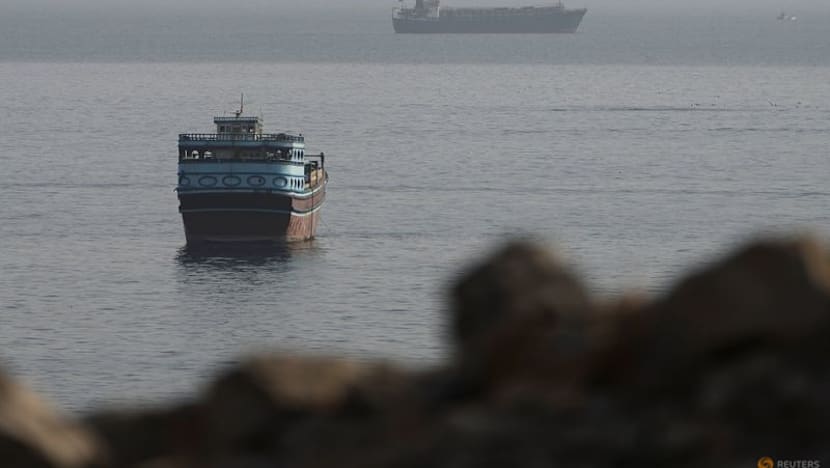
- Ship transits through Hormuz remained at just 8 vessels on Monday, compared to more than 130 crossings before the Feb. 28 U.S.-Israel attack, according to Kpler tracking data
- Pakistan's Defense Minister Khawaja Asif told Bloomberg a peace arrangement was "shaping up," directly conflicting with Iran's conditions stance — while Trump simultaneously escalated rhetoric demanding Iran pay reparations
- Energy Secretary Chris Wright said oil exports through Hormuz reached a seven-day moving average of 9 million bpd, with total Gulf flows averaging around 15 million bpd including pipeline exports
- Trump extended the Jones Act suspension Monday but narrowed the waiver to vessels hauling certain energy resources
- U.S. Strategic Petroleum Reserve stockpiles fell below 300 million barrels — the lowest level in more than four decades — after Trump's March order released 172 million barrels to offset Iran-war disruption
Why it matters: With Hormuz traffic collapsed to 8 vessels from 130+ and the Strategic Petroleum Reserve at a 40-year low after a 172-million-barrel drawdown, the U.S. has very limited cushion if no deal materializes — the market is pricing in a prolonged standoff that simultaneously drains strategic reserves and pushes pump prices higher.
Ask SkimNews