Cumbria dune project to aid rare beetles and toads — SkimNews
Get the Energy newsletter
Daily energy & climate — solar, EVs, oil, the policy fights and tech bets shaping the transition. Free.
- Amphibian and Reptile Conservation (Arc) is launching a three-year project later this year to boost northern dune tiger beetle and natterjack toad populations in Cumbria's sand dunes, in partnership with Nuclear Waste Services and Cumbria Wildlife Trust.
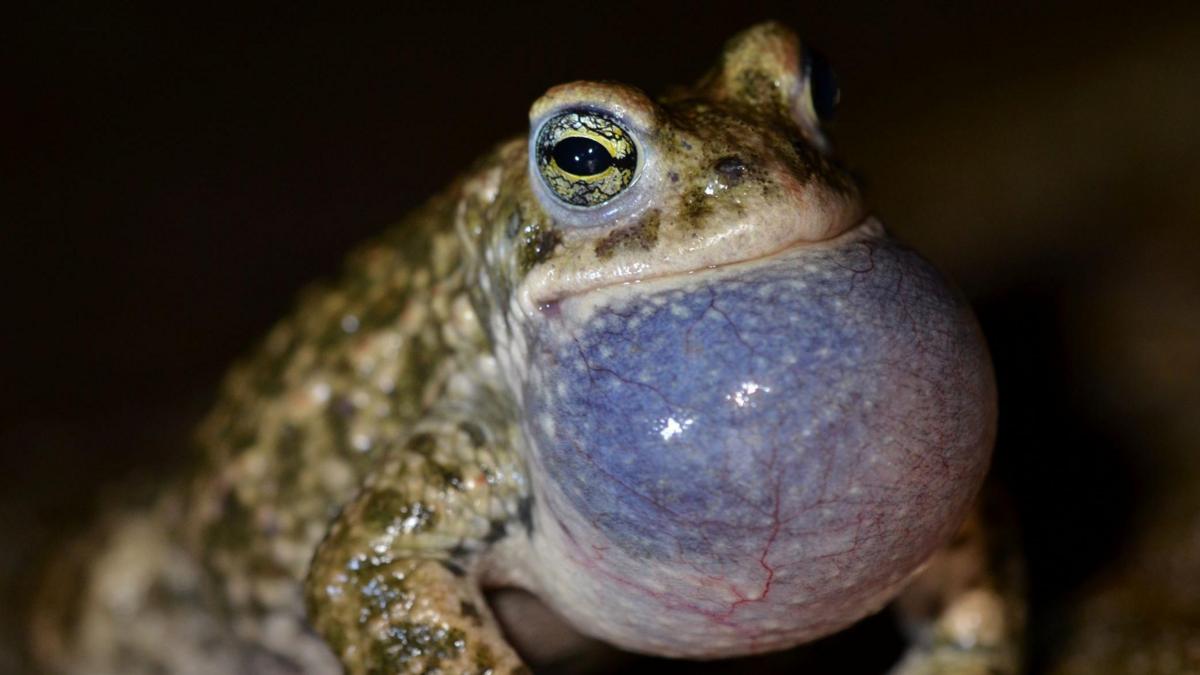
- Jack Harper of Arc said Cumbria was one of the "last strongholds" in Britain for the natterjack toad, a species known for its loud mating call, with only a few thousand remaining across the entire UK.
- The northern dune tiger beetle can travel at speeds up to 2.5 meters per second and is currently found at only two known UK locations: the Sefton sand dunes between Southport and Liverpool, and Drigg in Cumbria.
- The team plans to survey Cumbria's sand dune habitats and assess whether beetles from the Merseyside population could be relocated to establish new populations in Cumbria, though Harper cautioned the answer "may be no."
- For natterjack toads, the project's approach centres on reversing habitat degradation by potentially creating artificial corridors in the dunes that channel wind and allow sand to move more freely.
- The scheme was announced alongside broader government funding for threatened species projects, targeting dunes historically degraded by climate change and increasing coastline development.
Why it matters: With only a few thousand natterjack toads left across the entire UK and the northern dune tiger beetle confined to two known sites, Cumbria's sand dunes represent a critical refuge for both species. The three-year survey and potential beetle relocation effort will determine whether new populations can be established before further climate-driven degradation forecloses the option.
Ask SkimNews