Buglife to Restore 30 Hectares of Surrey Chalk — SkimNews
Get the Energy newsletter
Daily energy & climate — solar, EVs, oil, the policy fights and tech bets shaping the transition. Free.
- Buglife launched the Chalk Lines project in the Surrey Hills, aiming to restore more than 30 hectares (74 acres) of chalk grassland — roughly the size of 42 football pitches — by reconnecting fragmented patches to form "insect motorways" for wildlife movement.
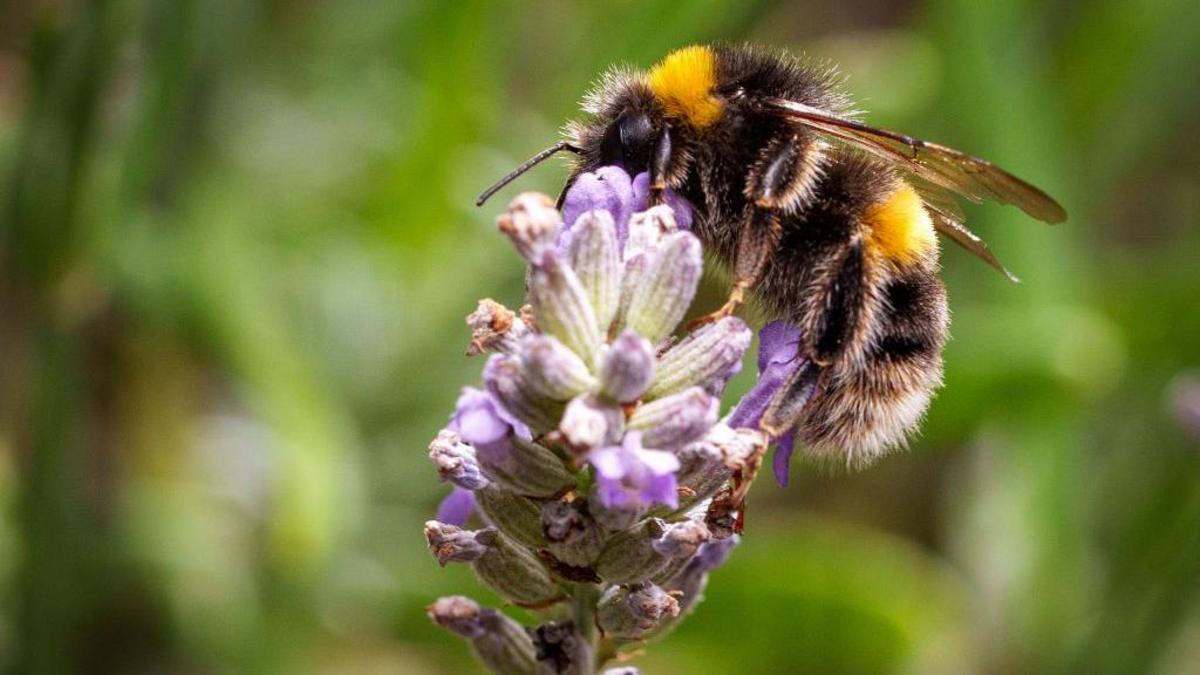
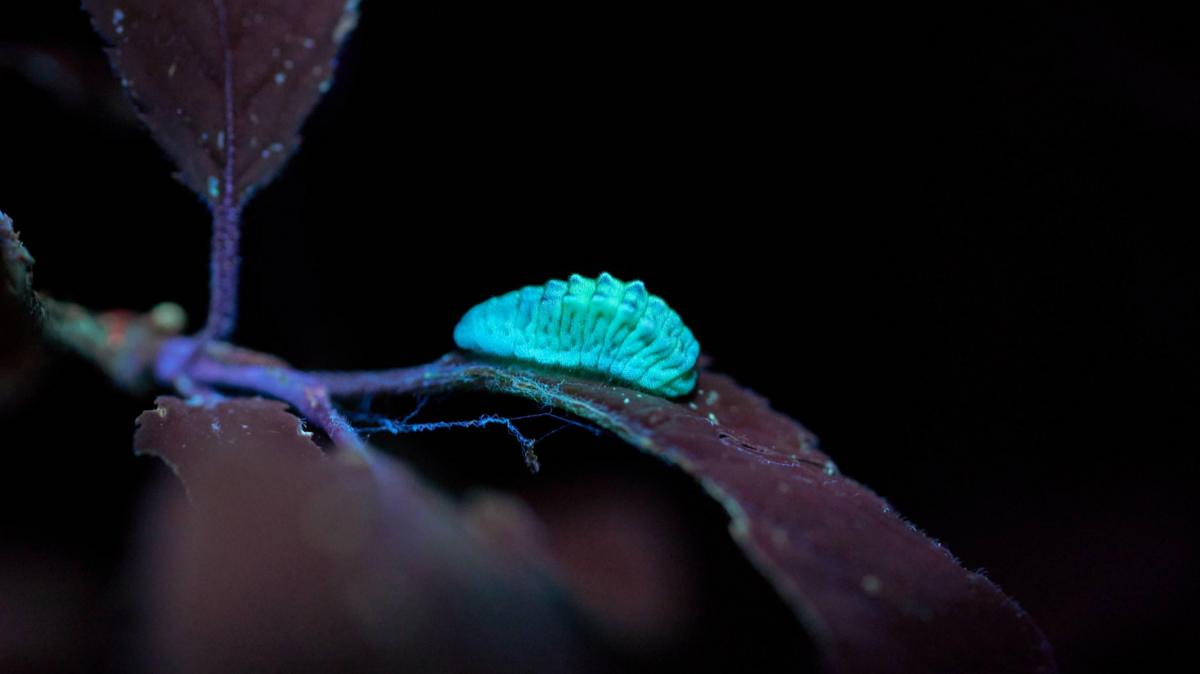
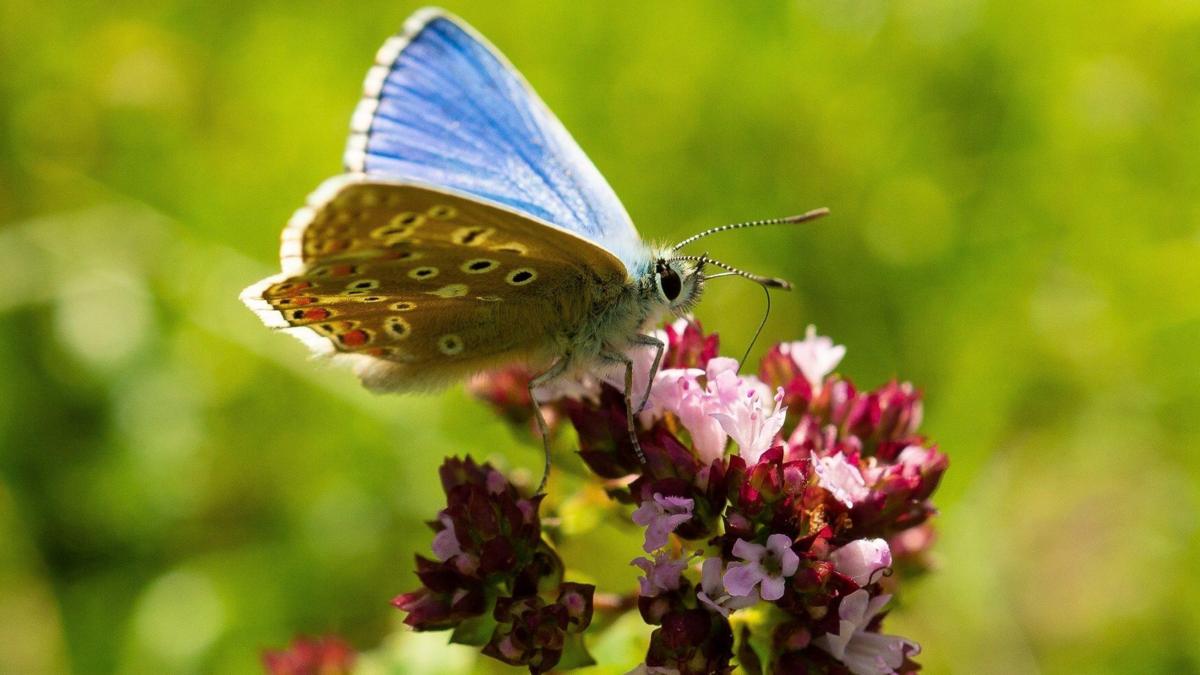
- Rare species targeted include the Straw Belle moth, which survives at up to two sites in Surrey, and the hazel pot beetle, described by Buglife as one of the UK's rarest insects, alongside the adonis blue butterfly, armed nomad bee, red-tailed mason bee, shining pot beetle, and large scabious mining bee.
- The National Lottery Heritage Fund awarded the project £300,000, with director Stuart McLeod saying the funding would "help protect the remarkable wildlife while giving more people the chance to connect with the nature on their doorstep."
- Conservation officer Alice Parfitt said she hoped local communities would get "hands-on" through wildflower seeding, planting, practical habitat management, and creative workshops, while fellow officer Peter Hewtson said volunteers could attend workshops to learn about rare insects' ecological role.
- Buglife noted that chalk grassland — a rare, fragile habitat supporting wildflowers and insects found nowhere else — was once maintained by traditional grazing but has since been largely lost or degraded, leaving remaining areas fragmented and wildlife vulnerable.
Why it matters: Chalk grassland is one of the UK's most species-rich but diminished habitats, and the £300,000 project directly tackles fragmentation that isolates vulnerable insect populations like the Straw Belle. For Surrey residents, the scheme offers hands-on volunteering opportunities and educational workshops, while ecologists gain a connected habitat network that could prevent further local extinctions of species found nowhere else in Britain.
Ask SkimNews