UV torch trick uncovers rare Surrey butterfly colony — SkimNews
Get the Energy newsletter
Daily energy & climate — solar, EVs, oil, the policy fights and tech bets shaping the transition. Free.
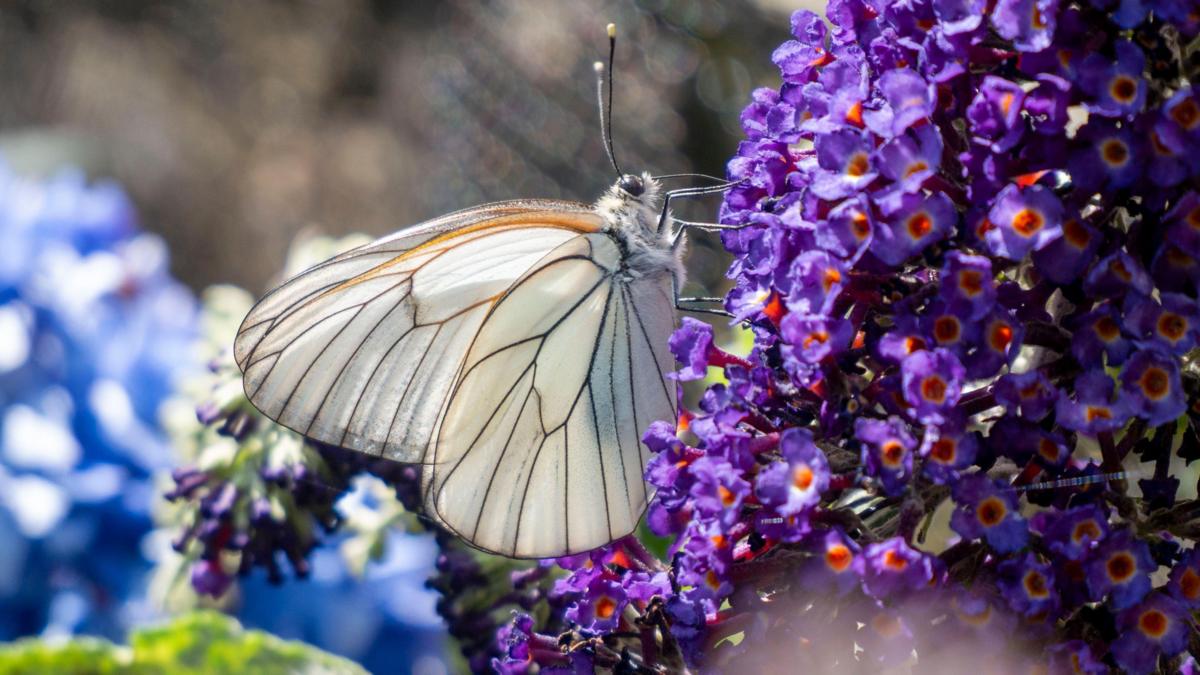
- Gareth Tilley, a Surrey amateur lepidopterist, spotted a black hairstreak butterfly during a 2020 lockdown walk in Epsom — the first record of the species in the county.
- Butterfly Conservation had previously mapped the black hairstreak exclusively to woodlands between Oxford and Peterborough, and reports a 33% decline in UK distribution since 2002 due to habitat loss.
- Tilley partnered with Butterfly Conservation, the local council, and the University of Sussex to confirm a breeding population exists in Surrey after some locals dismissed his find as a one-off illegal release.
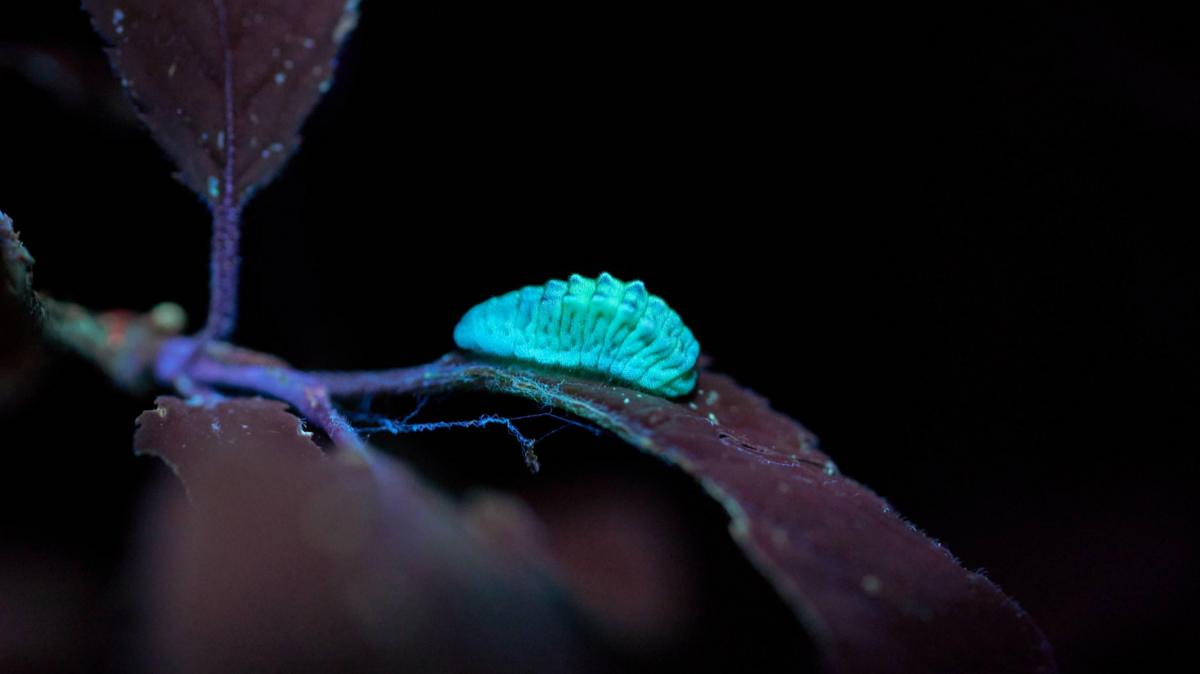
- Inspired by US caterpillars that glow under UV light, Tilley bought a UV torch in May 2022 and found 46 black hairstreak caterpillars in a single evening — a species he called "notoriously difficult" to monitor because larvae mimic leaves and adults stay high in the canopy.
- Butterfly Conservation south east conservation manager Steven Lofting called the work a "hugely valuable contribution" and said the charity is now promoting UV surveying for hairstreaks nationwide, with Tilley sharing the method with conservation groups in Australia.
Why it matters: For a species that had dropped 33% in range since 2002 and was thought confined to a single Oxford-to-Peterborough corridor, a confirmed Surrey colony expands the known population — and the UV torch method gives Butterfly Conservation and its volunteers a fast, cheap way to find cryptic larvae that conventional surveying routinely misses.
Ask SkimNews