AMD3100 frees trapped T cells to attack rare liver
Get the Health newsletter
Daily health & science — research, biotech, public health, the studies worth knowing. Free.
- Cornell University researchers identified why fibrolamellar carcinoma resists immunotherapy: the tumor's altered stellate cells lure T cells into nearby fibrous bands and trap them there, blocking immune attack.
- AMD3100, a drug already FDA-approved for another disorder, disrupted that T-cell trapping and guided immune cells back into tumor centers in patient tissue samples.
- Combining AMD3100 with immune checkpoint inhibition produced a significant rise in tumor cell death, according to the study published in Gastroenterology.
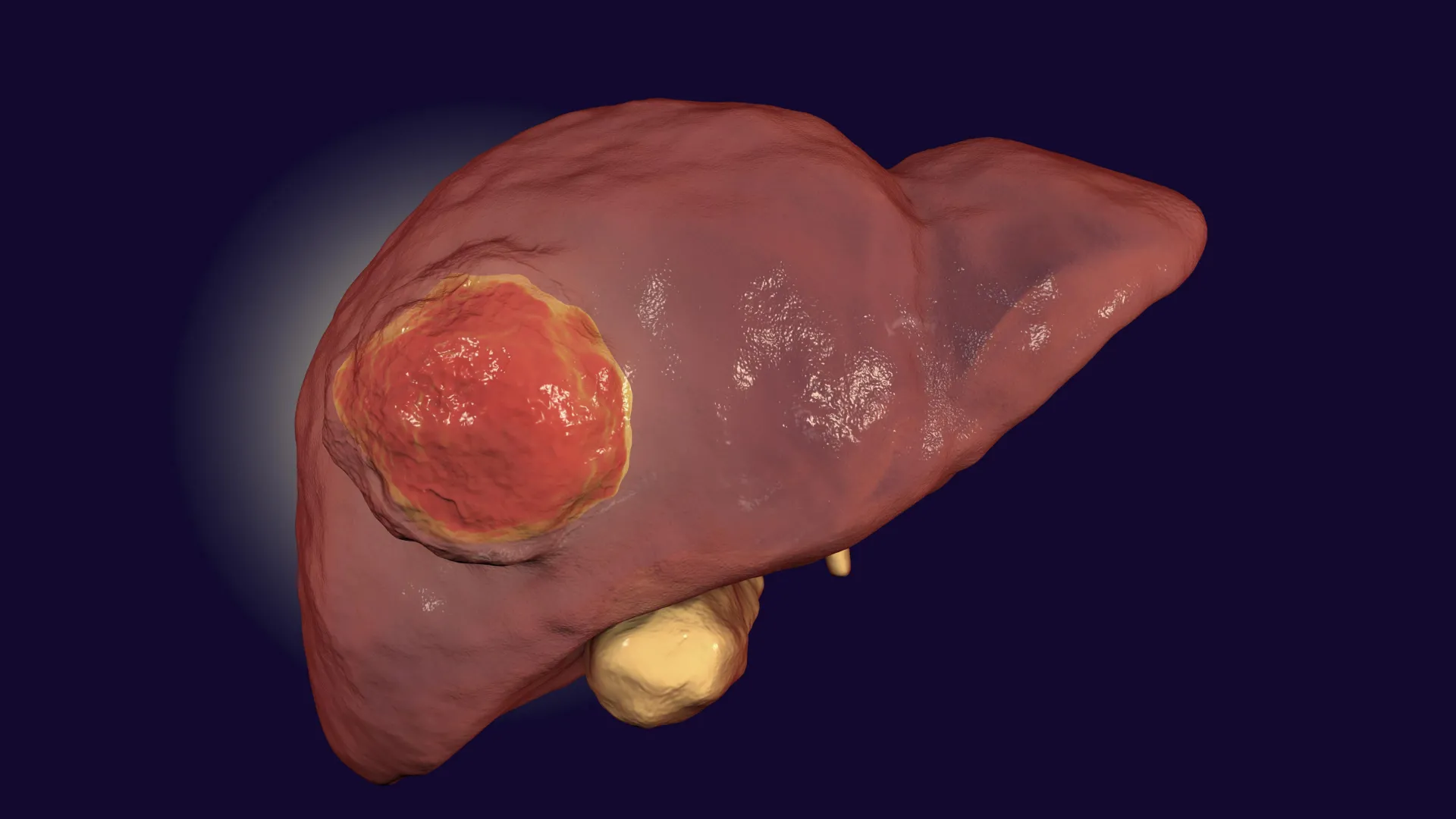
- Fibrolamellar carcinoma accounts for about 2% of all liver cancer cases, primarily strikes children and young adults, and currently has no cure.
- Researchers used single-nucleus transcriptomics to map individual cells inside tumors — the technology that finally revealed the T-cell exclusion mechanism.
- Co-senior authors Praveen Sethupathy (Cornell) and Dr. Venu Pillarisetty (University of Washington) are now seeking liver cancer specialists to launch clinical trials, noting AMD3100's existing approval could shorten timelines.
- The study was funded by the Fibrolamellar Cancer Foundation and published in Gastroenterology (DOI: 10.1053/j.gastro.2025.10.006).
Why it matters: Fibrolamellar carcinoma has no cure and disproportionately strikes children and young adults. Because AMD3100 is already FDA-approved for another disorder, clinical trials could potentially move faster than for a new compound — and the team reports a significant rise in tumor cell death when the drug is combined with immune checkpoint inhibition in patient tumor samples.
Ask SkimNews