Zeaxanthin Boosts T Cells, Enhances Cancer Immunotherapy — SkimNews
Get the Health newsletter
Daily health & science — research, biotech, public health, the studies worth knowing. Free.
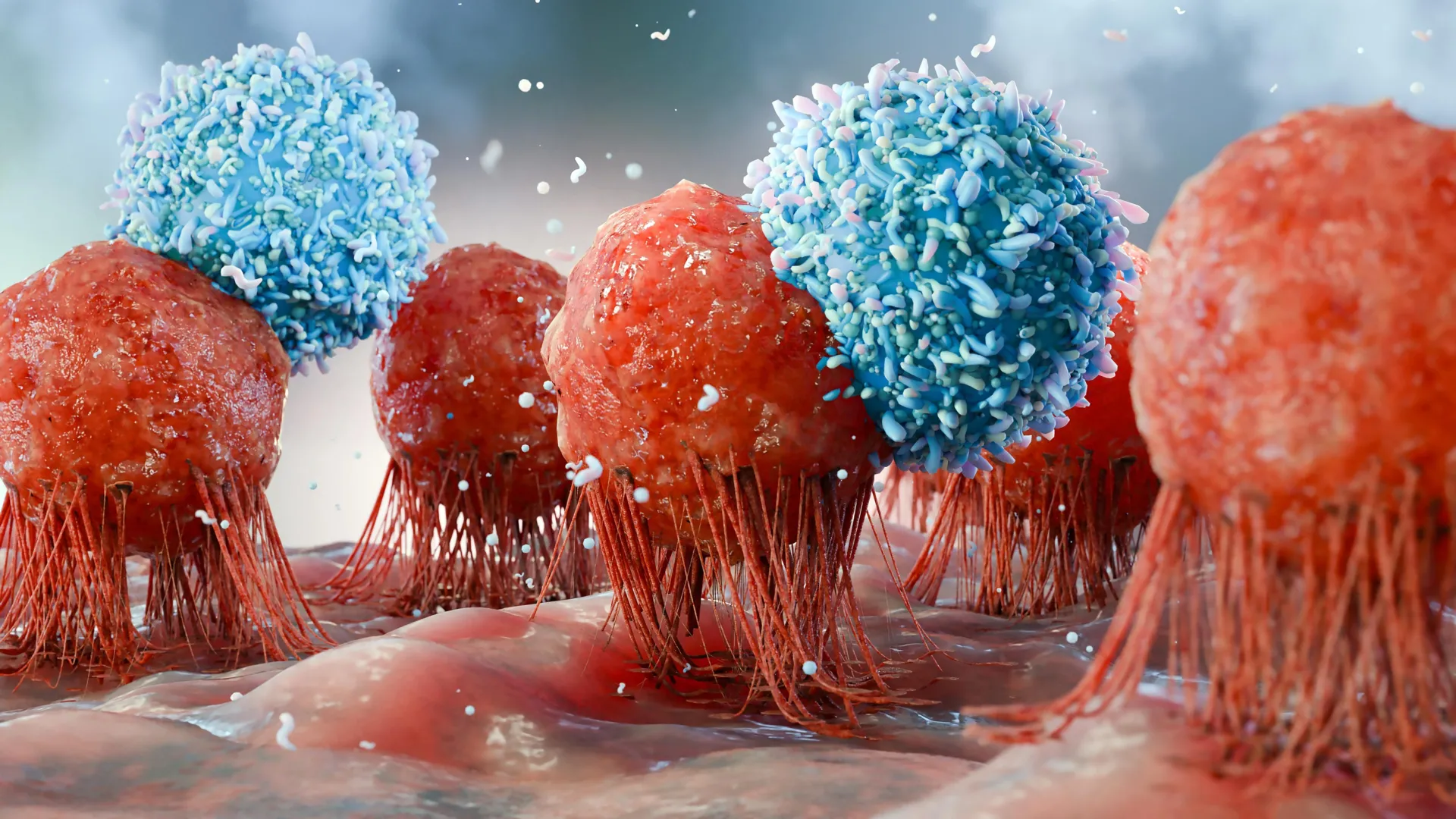
- Zeaxanthin stabilizes the T-cell receptor complex on CD8+ T cells, strengthening internal signaling and boosting the cells' ability to identify and destroy cancer, according to a study published in Cell Reports Medicine.
- In mouse models, dietary zeaxanthin slowed tumor growth, and the effect became more pronounced when combined with immune checkpoint inhibitors — a form of immunotherapy that has reshaped cancer care in recent years.
- Lab experiments on human T cells engineered to target cancer markers showed zeaxanthin enhanced destruction of melanoma, multiple myeloma, and glioblastoma cells.
- Jing Chen, PhD, the study's senior author and Janet Davison Rowley Distinguished Service Professor of Medicine at UChicago, called it a "completely new function," saying the nutrient could complement and strengthen advanced cancer treatments.
- Zeaxanthin is already sold over the counter for eye health and occurs naturally in orange peppers, spinach, and kale — making it inexpensive, widely available, and well tolerated, the researchers noted.
- Chen's lab previously identified trans-vaccenic acid (TVA), a fatty acid in dairy and meat, as a separate nutrient that boosts T-cell function through a different pathway — pointing to a broader emerging field the team calls "nutritional immunology."
- All current evidence is preclinical; the researchers stressed that clinical trials are required before any patient recommendations can be made.
Why it matters: If the mouse and cell-culture findings hold in humans, oncologists could have an inexpensive, shelf-stable dietary supplement to pair with checkpoint inhibitors, which can run patients tens of thousands of dollars per year. The TCR-stabilization mechanism also identifies a molecular target that is distinct from the pathways current immunotherapies engage.
Ask SkimNews