North Korea Building Second Yongbyon Enrichment Facility — SkimNews

Get the Geopolitics newsletter
Daily geopolitics — wars, elections, sanctions, the diplomatic moves that move markets. Free.
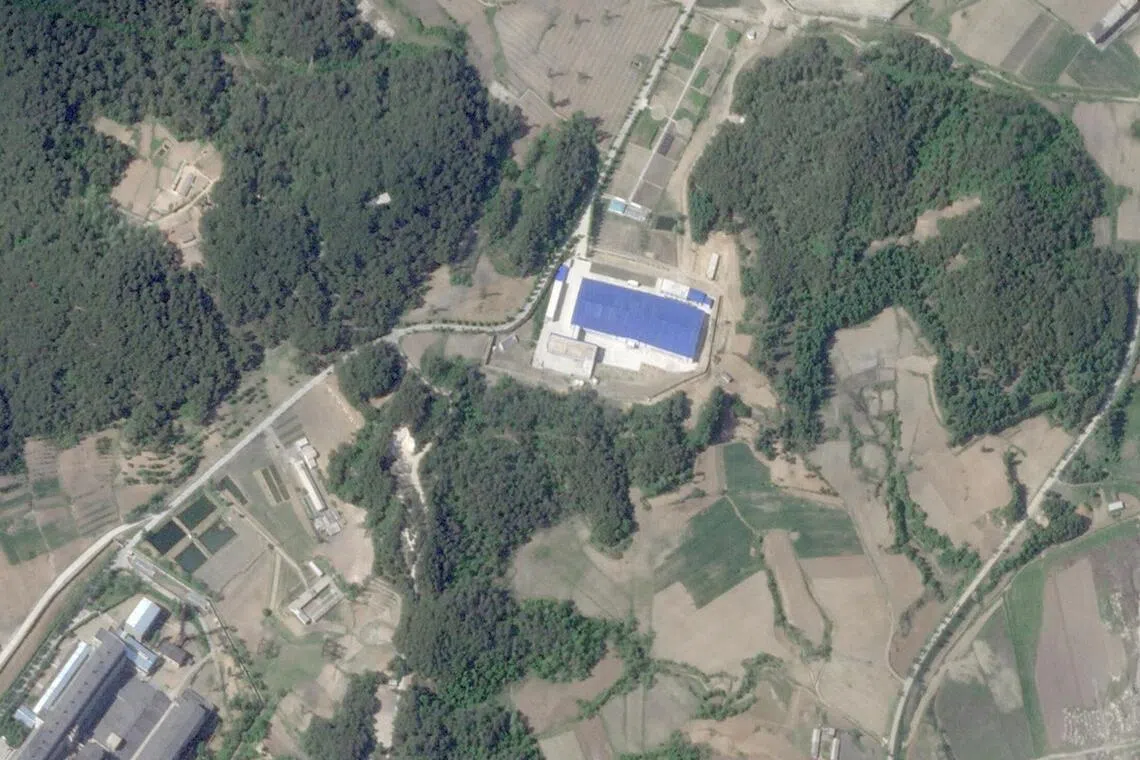
- The IAEA documented in an August 28 report to its Board of Governors the construction of a second uranium enrichment facility at North Korea's Yongbyon complex, which could house up to 28 centrifuge cascades alongside an already-operational expanded annex at Kangson
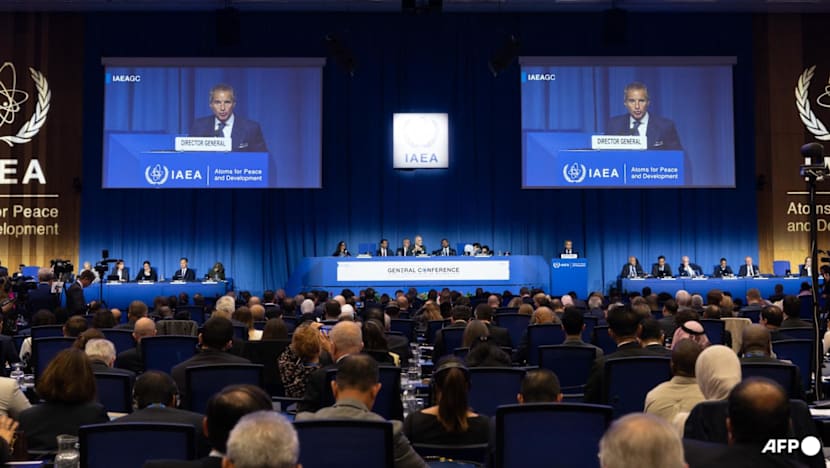
- IAEA Director General Rafael Grossi told the Board that continued operation of Kangson and Yongbyon and reported expansion of weapons-grade material production was "a cause for serious concern," noting the agency has had no inspectors in North Korea since 2009
- Yongbyon's 5 MWe reactor has shown near-continuous water discharge consistent with what analysts tracking the site believe is its seventh irradiation cycle since October 2024, anchoring North Korea's plutonium supply chain alongside periodic steam activity at the Radiochemical Laboratory
- The Experimental Light Water Reactor (ELWR) at Yongbyon began sustained operation in late 2023, was "likely shut down" in early August 2025 per Grossi, and is believed to have restarted again in 2026; analysts assess full-power operation would add a supplementary plutonium stream on top of the 5 MWe output
- A 2021 satellite-based study of North Korea's Pyongsan uranium mill concluded that tailings output implies Pyongyang could produce substantially more milled uranium than it is currently enriching — meaning raw uranium supply is not the constraint on how fast the program could grow
- The Taechon 200 MWe graphite-moderated reactor, frozen under the 1994 Agreed Framework with no documented resumption of construction, remains an abandoned shell; at full design output the source notes it could produce roughly 220 kg of weapons-grade plutonium per year — enough by open-source estimates for 25 to 40 additional nuclear weapons annually
Why it matters: North Korea has visibly doubled its Yongbyon enrichment footprint, kept the 5 MWe reactor on a steady plutonium cycle, and restarted the ELWR — all without ever touching the latent Taechon shell, signaling that Pyongyang considers building new centrifuge and light-water capacity more efficient than reviving 1994-era graphite-gas designs.
Ask SkimNews