North Korea Doubles Yongbyon Enrichment Footprint in 2026 — SkimNews

Get the Geopolitics newsletter
Daily geopolitics — wars, elections, sanctions, the diplomatic moves that move markets. Free.
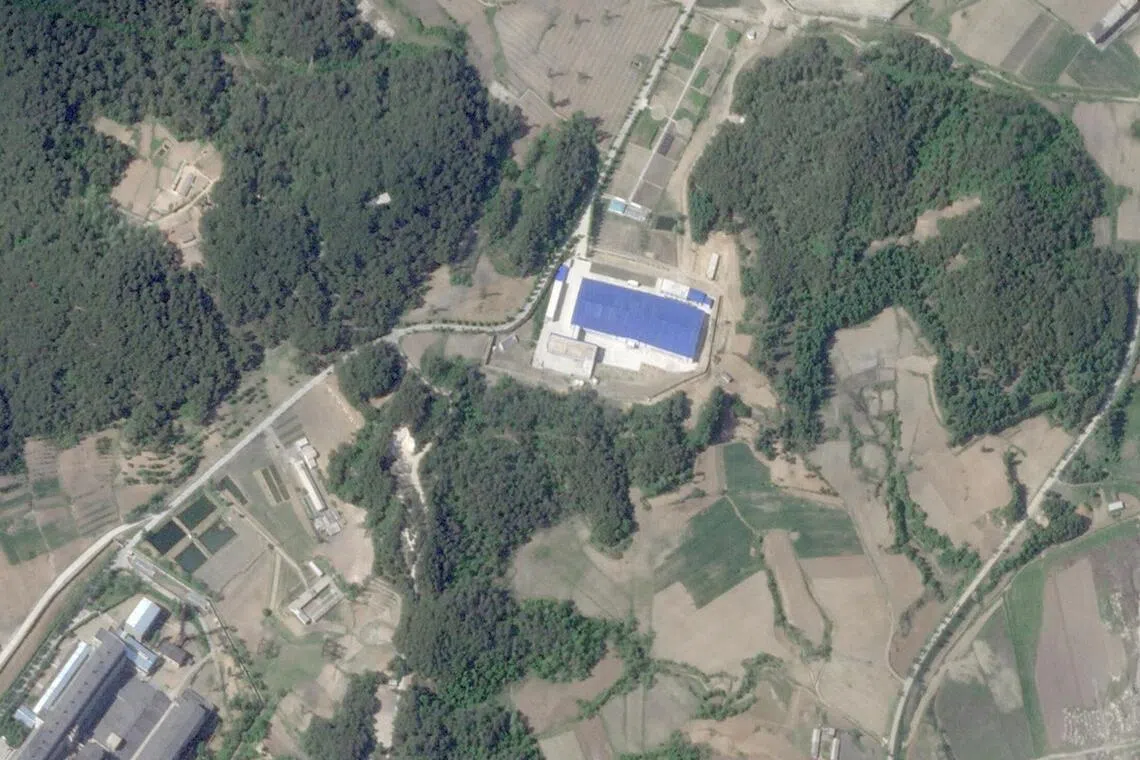
- IAEA reported on August 28 that North Korea is constructing a second uranium enrichment facility at Yongbyon, potentially housing up to 28 centrifuge cascades alongside an already-operating expanded annex at Kangson.
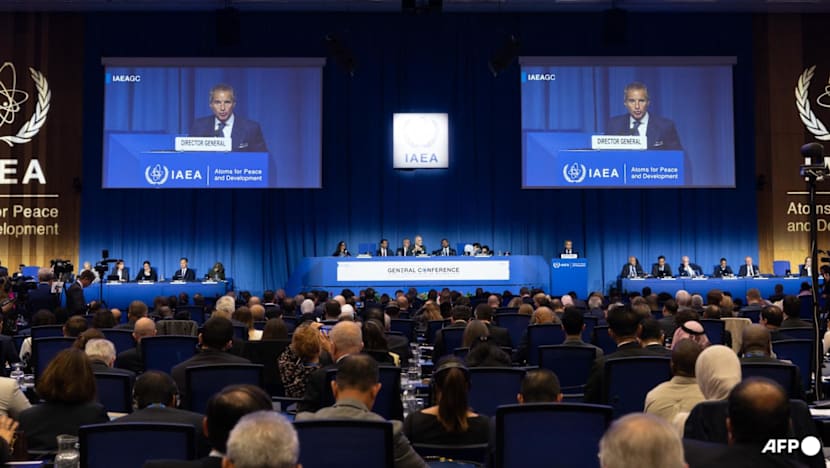
- Rafael Grossi told the IAEA Board that continued operation of the Kangson and Yongbyon facilities, together with reported further expansion of weapons-grade nuclear material production, was "a cause for serious concern."
- Independent analysts tracking Yongbyon documented near-continuous water discharge from the 5 MWe reactor consistent with what is now believed to be its seventh irradiation cycle since October 2024, alongside periodic steam activity suggesting reprocessing campaigns.
- The Experimental Light Water Reactor (ELWR) showed renewed discharge activity after Grossi told the board in November 2025 that it had "likely been shut down" in early August of that year following months of stable running.
- Kangson's 2024 annex expansion appears to have become operational around January 2026, giving North Korea confirmed enrichment infrastructure spanning at least three locations.
- The Taechon 200 MWe reactor remains an abandoned shell, with no documented resumption of construction since 38 North's 2019 review, despite being designed to produce up to 220 kilograms of weapons-grade plutonium annually — enough for an estimated 25 to 40 additional warheads per year.
- A 2021 academic study using satellite-based land-use analysis around the Pyongsan uranium mill concluded that North Korea's tailings output implies it could produce substantially more milled uranium than currently enriched, meaning supply is not the constraint on program growth.
Why it matters: The IAEA has been locked out of North Korea since 2009, forcing the agency to build its entire assessment from commercial satellite imagery and state media — a constraint that gives the August 28 finding of a second Yongbyon enrichment building (up to 28 cascades) outsized weight. For nonproliferation monitors, the simultaneous expansion at three enrichment sites, a seventh plutonium irradiation cycle, and an on-again light-water reactor signals that Pyongyang's fissile material output is growing across every track at once, with uranium supply — per open-source analysis — not the limiting factor.
Ask SkimNews