Delhi Police Ban 'Cockroach' March on Parliament — SkimNews

Get the Geopolitics newsletter
Daily geopolitics — wars, elections, sanctions, the diplomatic moves that move markets. Free.
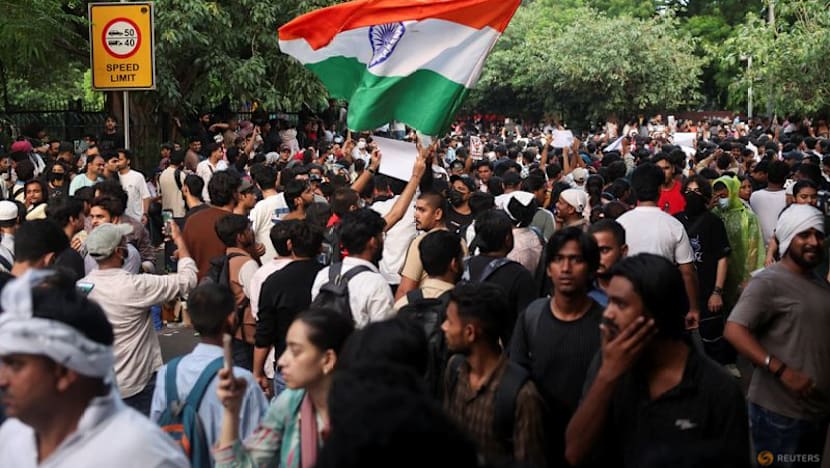
- New Delhi Police banned the "Cockroach" movement's planned march on parliament for July 20 — the monsoon session's opening day — prohibiting assemblies of five or more persons except at the Jantar Mantar observatory, where protesters have camped for over three weeks.
- The Cockroach Janta Party vowed the march would proceed regardless of the ban, with a spokesperson telling Reuters "The march is happening for sure" even as final plans were still being worked out.
- Sonam Wangchuk, the movement's 59-year-old hunger-striking figurehead, was forcibly moved to Safdarjung Hospital by police on Saturday, a confrontation that drew hundreds of supporters to the protest site and broadened the movement's appeal beyond its online base.
- Wangchuk declared the planned march "India's 2nd FREEDOM MOVEMENT" — for "freedom from injustice (like paper leaks)" and "freedom from fear (my illegal detention)" — in a message posted on X by his wife.
- A Delhi court (Judge Mini Pushkarna) ruled authorities were within their rights to hospitalize Wangchuk, while his wife Gitanjali Angmo argued she was entitled to transfer him to a private hospital and called the police-guarded treatment "illegal detention."
- The Cockroach movement, which amassed 22 million Instagram followers since forming in May after exam paper leaks affected millions, now presents "a major challenge for Modi" according to Reuters, with calls growing for the sacking of the prime minister's education minister.
Why it matters: The standoff converts a digitally-fueled protest — 22 million Instagram followers in roughly two months — into a physical occupation of central New Delhi timed to parliament's opening day, and activists explicitly framing it as a "second freedom movement" puts direct political pressure on Modi's government over youth unemployment and a string of exam paper leaks.
Ask SkimNews