Harvard scientists link gut bacteria to depression through hidden inflammation trigger — SkimNews
Get the Health newsletter
Daily health & science — research, biotech, public health, the studies worth knowing. Free.
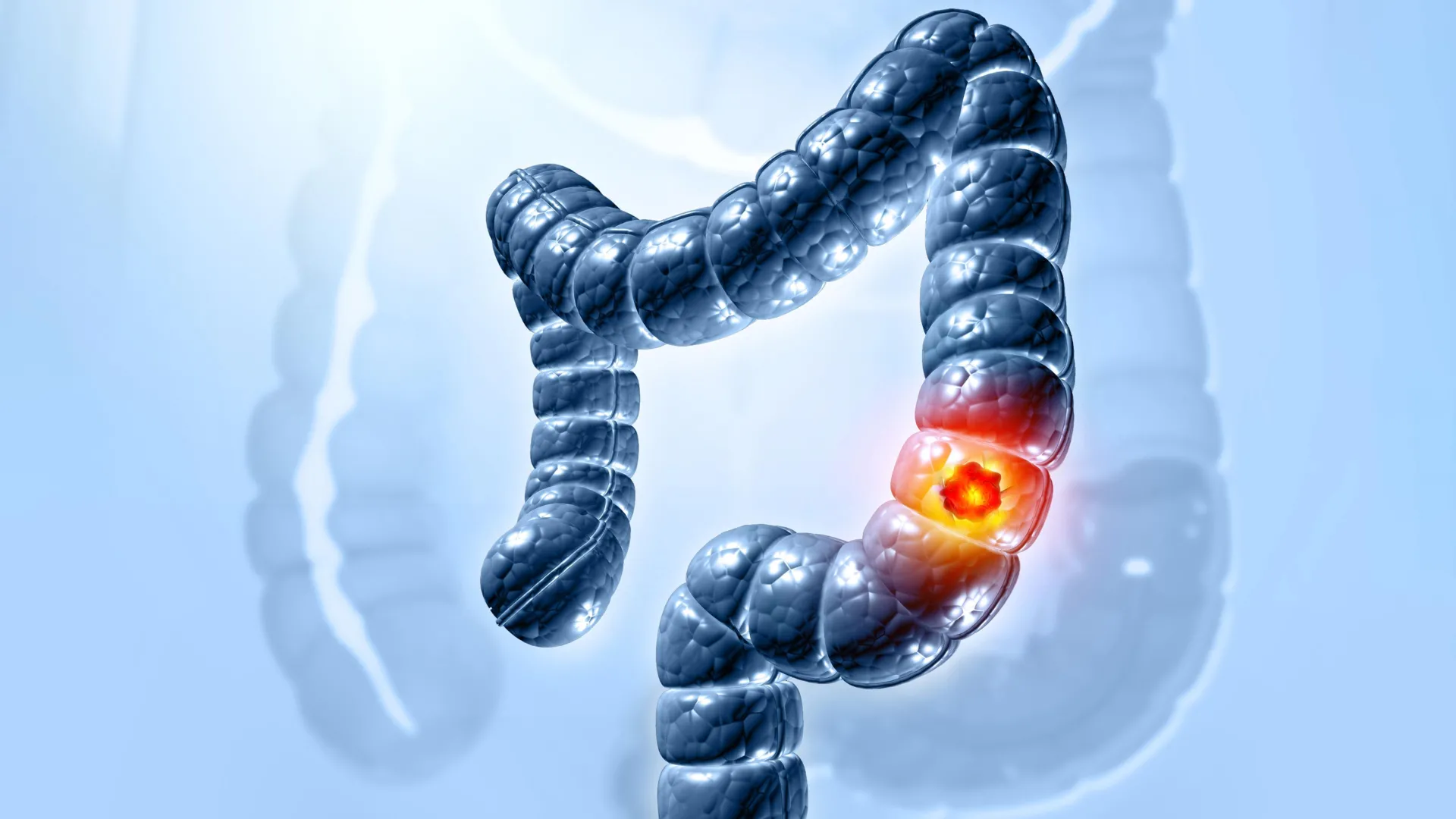
- Morganella morganii produces an altered molecule when it encounters diethanolamine, a common environmental contaminant.
- Diethanolamine replaces a sugar alcohol in the bacterial metabolite, turning it into an immune‑activating compound that spikes interleukin‑6.
- Interleukin‑6 levels rise in response to the altered molecule, linking the gut bacterium to systemic inflammation associated with major depressive disorder.
- Jon Clardy led the Harvard study published in the Journal of the American Chemical Society, highlighting a molecular pathway from gut microbe to brain.
- Harvard Medical School researchers suggest targeting the inflammation cascade could enable new diagnostic or therapeutic approaches for depression.
Why it matters: Not enough in the article to say why this matters.
Ask SkimNews