Russia Open to Ukraine Peace Ideas, 'Realities on Ground' Required — SkimNews
Get the Geopolitics newsletter
Daily geopolitics — wars, elections, sanctions, the diplomatic moves that move markets. Free.
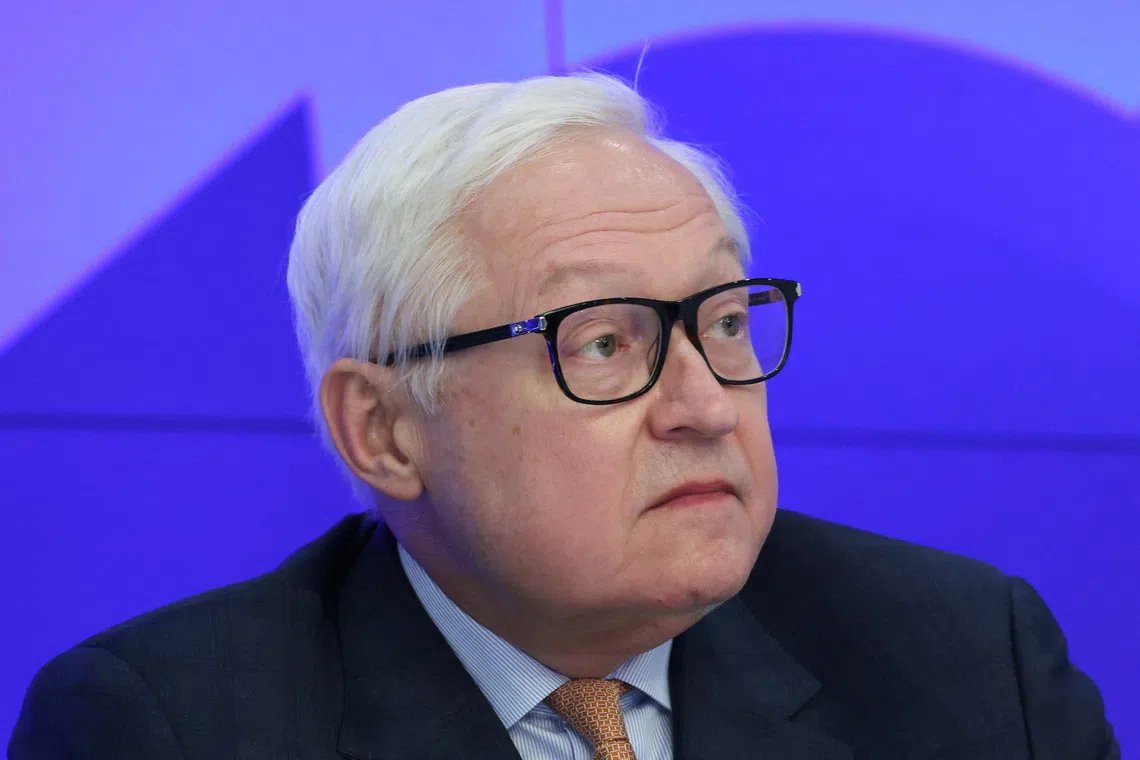
- Sergei Ryabkov, Russia's deputy foreign minister, told News.ru on Aug 21 that Moscow is 'ready to listen to any reasonable proposals' on Ukraine that align with President Putin's goals and meet 'the realities on the ground,' which he used repeatedly as a condition
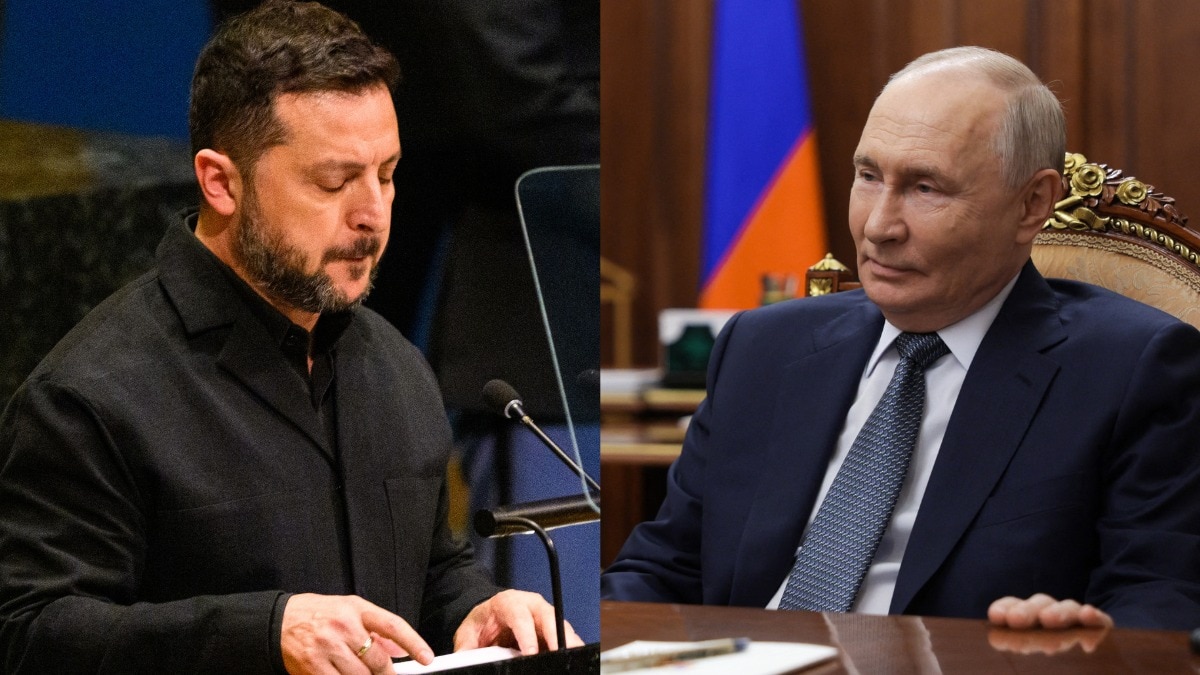
- Ryabkov said the US has shown readiness for 'constructive dialogue' and 'understanding of Russia's position,' while questioning whether Washington can sway 'the Kyiv regime and its European sponsors' who he said 'still dream of a strategic defeat' of Russia
- Negotiations between Russia and the US have largely stalled amid the war in Iran, and the Kremlin said Aug 20 it had no information on a possible next Moscow visit by US envoys Jared Kushner and Steve Witkoff
- Marco Rubio said in July, after meeting Russian Foreign Minister Sergei Lavrov in Manila, that Washington was committed to helping end the war but cautioned there was 'no quick deal' and the US was trying to 'find a middle ground'
- After nearly 4-1/2 years of war, Russia holds roughly a fifth of Ukraine's internationally recognized territory — the 'realities' Moscow says any deal must recognize
- Ryabkov also signaled Russia wants to keep discussions on nuclear weapons alive after the New START treaty expired in February, leaving the two largest nuclear powers without binding strategic-arms constraints for the first time in over half a century; Moscow has said it will keep observing the treaty's missile and warhead limits as long as Washington does the same
Why it matters: Russia's precondition — that any deal must reflect 'realities on the ground' — is a diplomatic restatement of its territorial gains, giving Moscow a built-in reason to reject any proposal that doesn't ratify its roughly one-fifth occupation of Ukraine. With the New START nuclear treaty already expired and Russia-US talks stalled, the Kremlin is signaling it will keep talking while reserving the right to define what counts as acceptable — a posture that puts the burden of compromise squarely on Washington and Kyiv.
Ask SkimNews