AWS Targets Nvidia's PyTorch Lock-In With TorchNeuron — SkimNews

Get the Tech newsletter
Daily tech — startups, AI labs, chips, the launches that shape the next decade. Free.
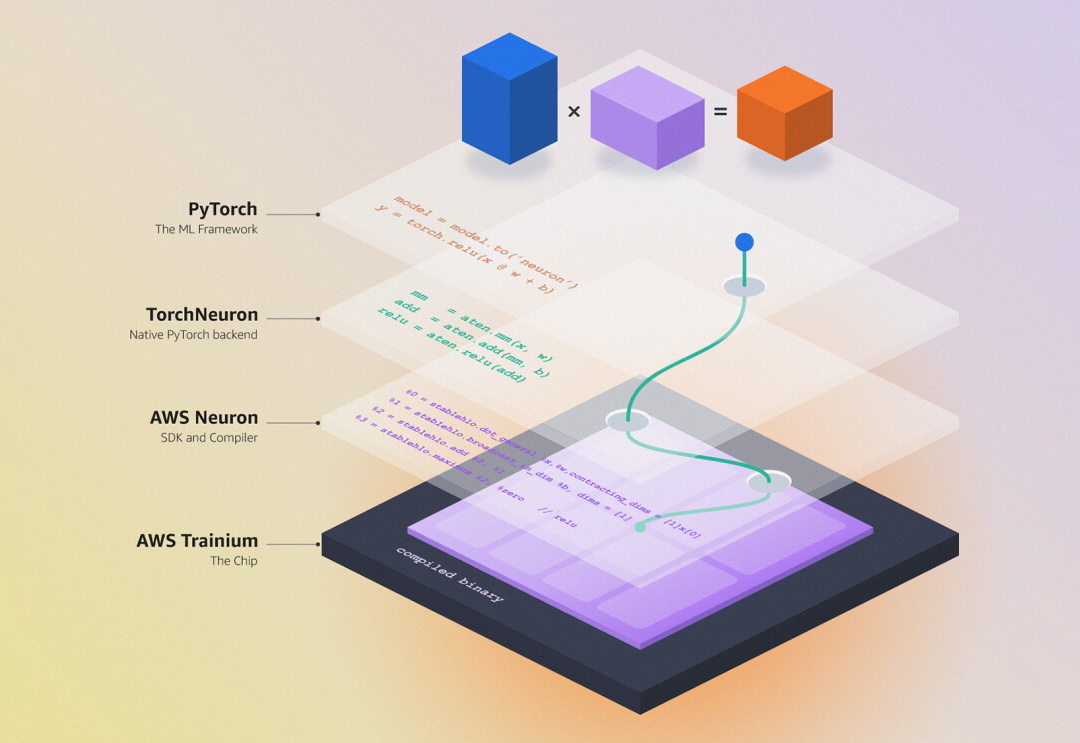
- TorchNeuron, AWS's new tool, lets AI startups move PyTorch-based apps onto Amazon's Trainium chip with a single line of configuration change — no code rewrite required.
- Nvidia spent years ensuring CUDA deeply supports PyTorch, leaving its hardware embedded in the toolkit by default — the lock-in Amazon's new effort targets directly.
- AWS is contributing code upstream to the main PyTorch project to strip out hardware-specific Nvidia ties, not just for Trainium users but for the broader developer community.
- Colin Brace, VP of Technology Software at AWS Annapurna Labs, urged startups to avoid "betting on a single-purpose compute provider," naming CoreWeave, Nebius, and Firmus as Nvidia-tied neoclouds Trainium is competing against.
- Deepgram moved to Trainium using native PyTorch support and processes 70% more audio per dollar at production-grade accuracy, per AWS.
- Trainium handles both training and inference on the same chip — AWS argues this integrated setup saves money across full workloads even when per-token pricing isn't the cheapest.
Why it matters: AWS is escalating beyond chip competition by contributing code upstream to PyTorch, targeting the CUDA framework lock-in that has left rival hardware like AMD and Apple GPUs as PyTorch afterthoughts. Amazon's case leans on customer Deepgram, which AWS says processes 70% more audio per dollar on Trainium — pairing the framework-level play with a concrete price-performance data point.
Ask SkimNews