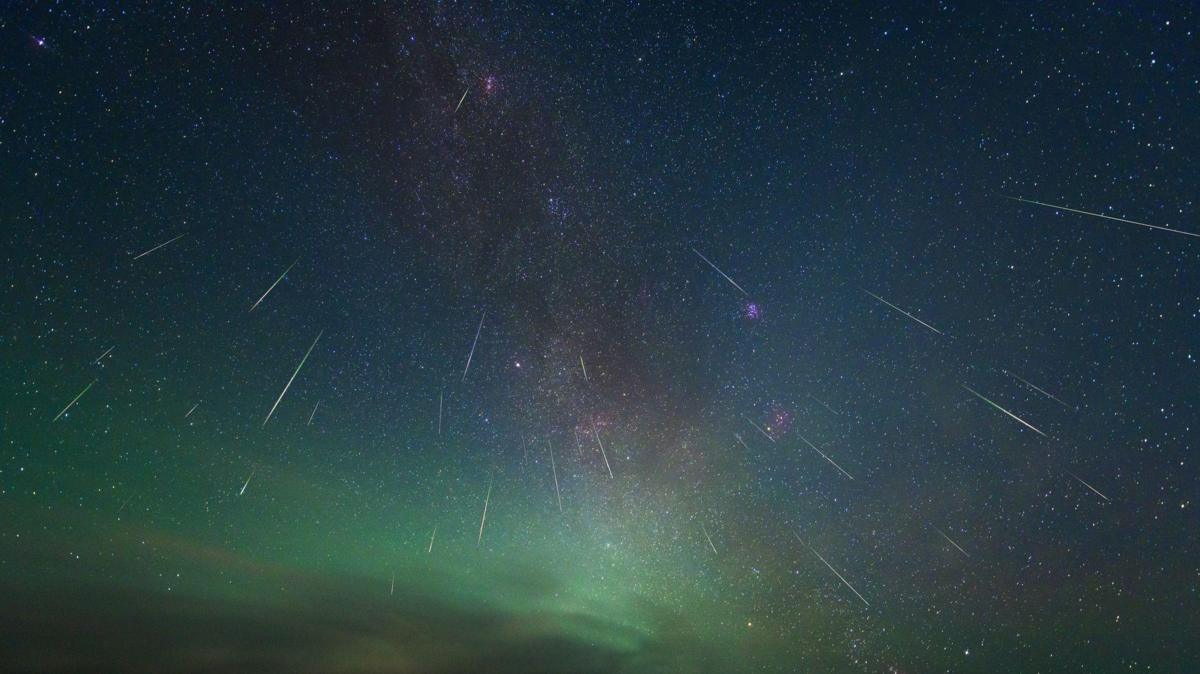
Perseids peak Wednesday with up to 100 meteors per hour
Get the Health newsletter
Daily health & science — research, biotech, public health, the studies worth knowing. Free.
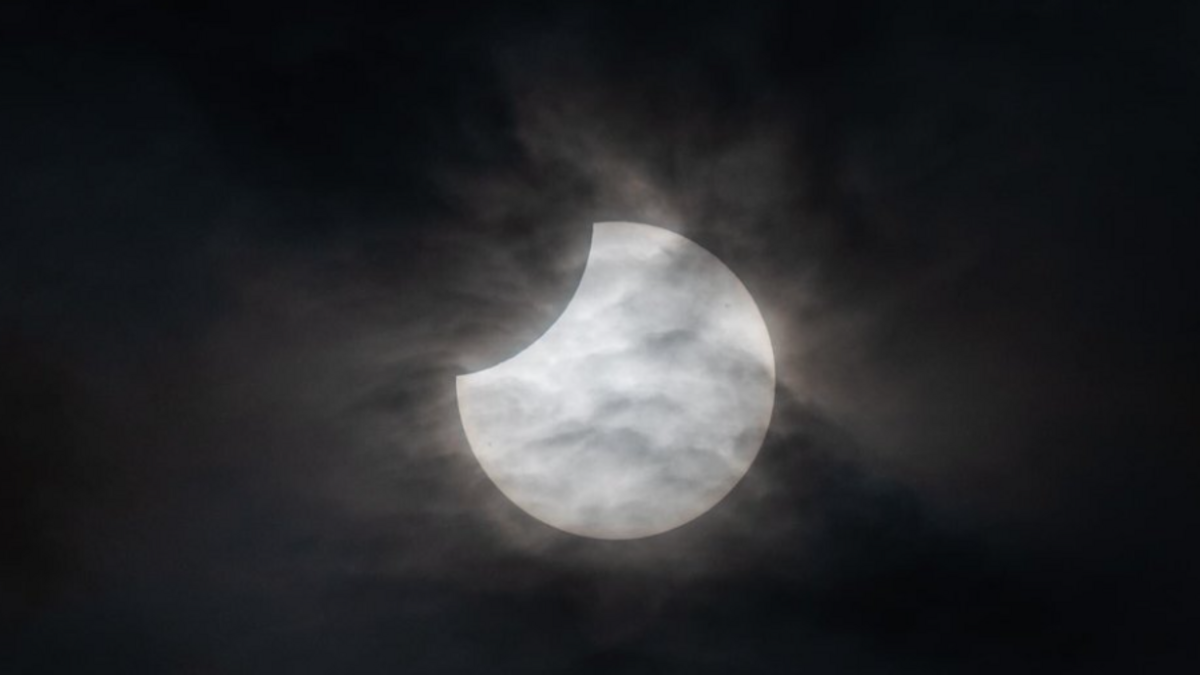
- Perseid meteor shower peaks Wednesday night into Thursday morning, coinciding with a total solar eclipse across Spain, Iceland, and Greenland and a six-planet parade.
- NASA estimates 50 to 100 meteors per hour may be visible under ideal conditions, while the American Meteor Society projects 30 to 50 per hour from rural US regions.
- Comet 109P/Swift-Tuttle is the source of the Perseids, with debris from the icy body — which orbits the sun every 133 years and isn't scheduled to return until 2125 — colliding with Earth's atmosphere.
- The new moon phase coincides with the peak, eliminating moonlight interference; astronomer Aparna Venkatesan of the University of San Francisco called the moon "such a diva" for washing out skies.
- Best views come between midnight and dawn when the constellation Perseus rides high in the northern sky; astronomer Zach Vanderbosch of McDonald Observatory recommended finding a dark patch of sky, letting eyes adjust for 30 minutes, and avoiding phones.
Why it matters: This peak stacks a new moon, summer warmth, and a 2,000-year-old debris trail from a comet not due back until 2125 into one night — the kind of overlap that gives dark-sky viewers a realistic shot at the upper end of NASA's 50–100 meteors-per-hour estimate without moonlight interference.
Ask SkimNews