Perseid meteors to light up night sky in one of the year's most active showers — SkimNews
Get the Health newsletter
Daily health & science — research, biotech, public health, the studies worth knowing. Free.
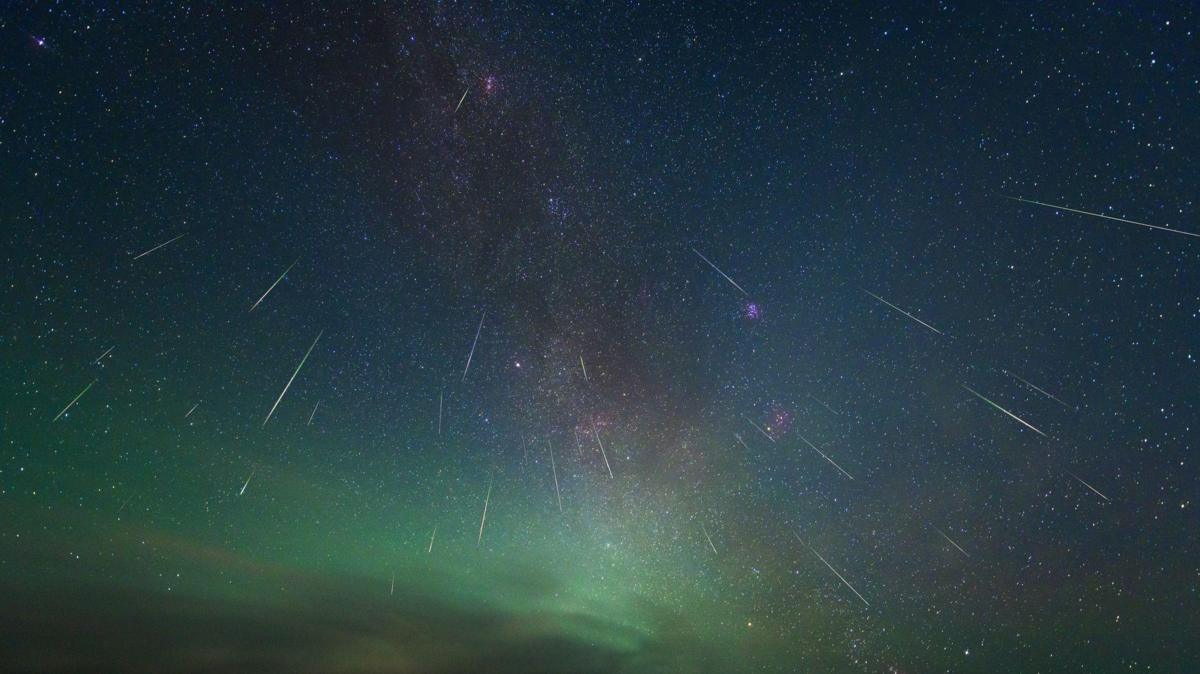
- The Perseid meteor shower runs from 17 July to 24 August, peaking overnight on 12-13 August with up to 150 meteors per hour possible in the densest part of the dust stream.
- Comet 109P/Swift-Tuttle is the source: Earth passes through debris left by the comet, and grain-of-sand-sized particles vaporize in the atmosphere to produce visible streaks.
- The peak coincides with a new Moon, giving skygazers the dark skies needed to spot meteors — including bright "fireball" meteors the Perseids are famous for.
- Viewers need no binoculars or telescope; the Perseids appear to radiate from the constellation Perseus and are easiest to see in the northern hemisphere between midnight and an hour before sunrise.
- High pressure to the west is forecast to dominate the week ahead, with clearer skies toward the south and west, though North Sea cloud may reduce viewing chances in northern Scotland and eastern coasts.
Why it matters: Northern-hemisphere skygazers get a roughly month-long viewing window (17 July–24 August) with the peak night of 12-13 August benefiting from a rare new-Moon alignment — meaning the main variable is local cloud cover, not moonlight, with up to 150 meteors per hour visible to the naked eye.
Ask SkimNews