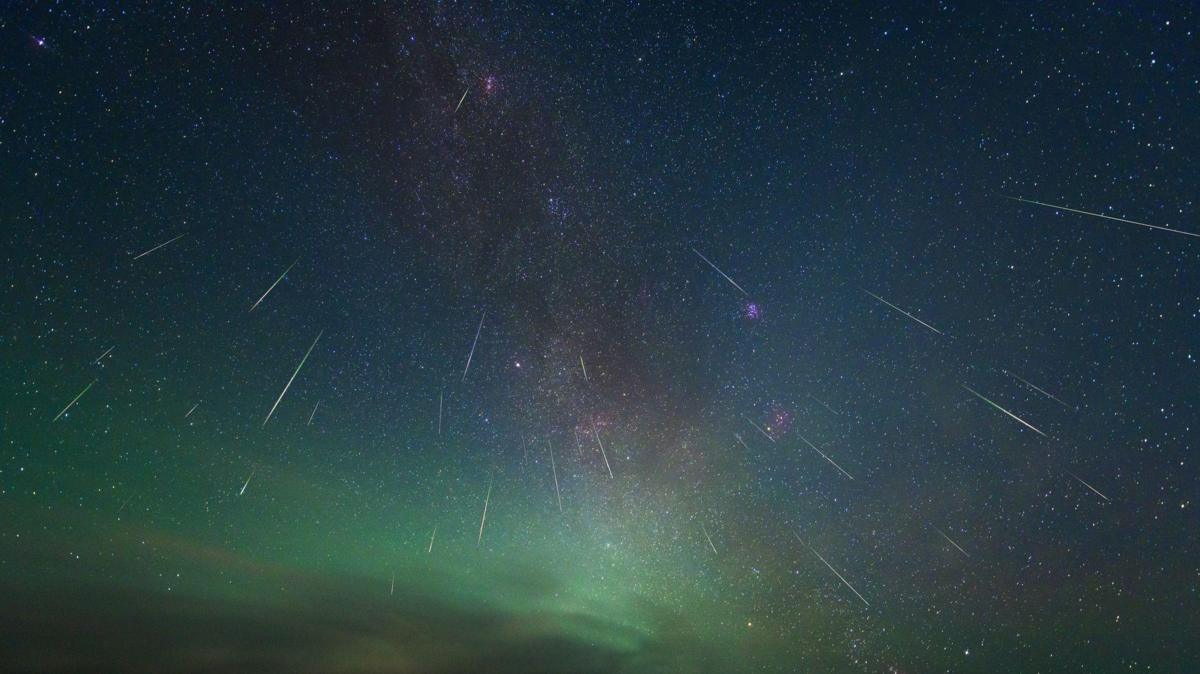
Perseid Meteor Shower Peaks Under Dark Skies
Get the Health newsletter
Daily health & science — research, biotech, public health, the studies worth knowing. Free.
- Perseid meteor shower peaks Wednesday night into Thursday morning, with NASA estimating 50 to 100 meteors per hour under optimal conditions
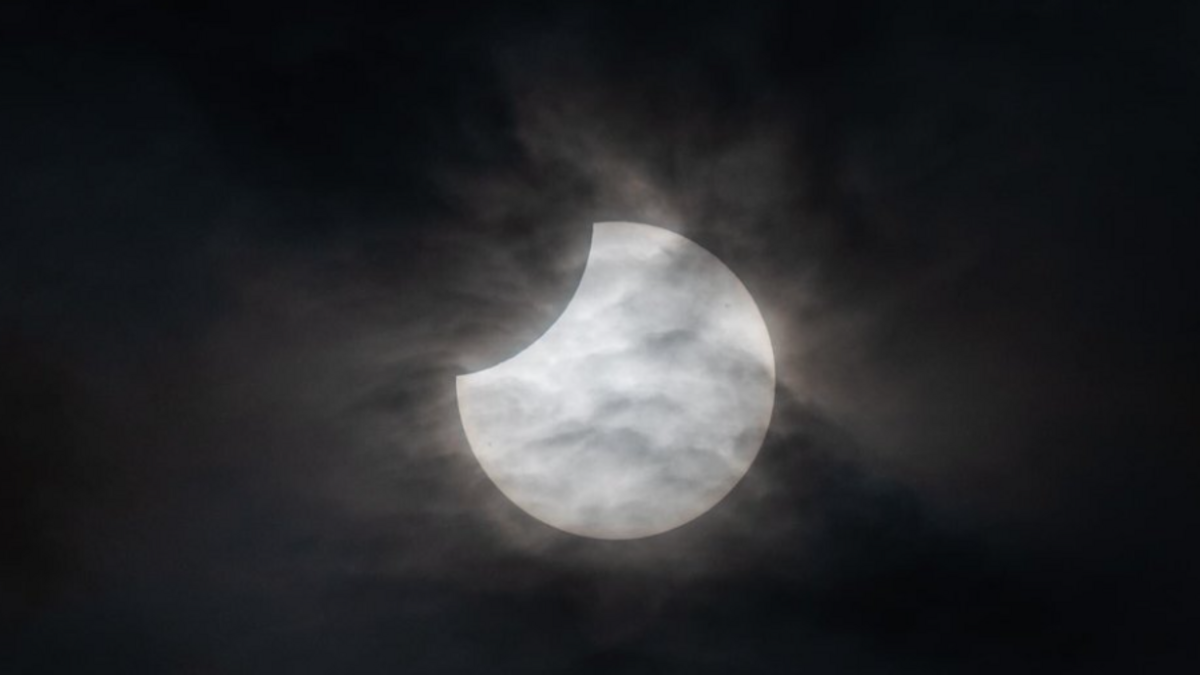
- Moon enters new moon phase during the Perseids’ peak, eliminating moonlight interference and enhancing visibility of meteors
- Comet 109P/Swift-Tuttle is the source of the Perseid debris trail, an icy body that orbits the sun every 133 years and won’t return until 2125
- Astronomer Aparna Venkatesan emphasizes the advantage of dark skies during new moon, noting absence of moonlight allows for significantly more meteor sightings
- Astronomer Zach Vanderbosch highlights the appeal of summer viewing, avoiding cold winter nights while observing one of the year’s most reliable meteor displays
- Perseus constellation serves as the radiant point for the meteor shower, with best views expected between midnight and dawn when it is high in the northern sky
Why it matters: The confluence of a new moon and peak activity creates near-ideal viewing conditions, increasing the number of visible meteors by removing light interference — a rare alignment that benefits skywatchers across the northern hemisphere, especially those traveling to dark-sky regions for unobstructed views.
Ask SkimNews