Pakistan Brokers US-Iran Talks as Iran Strikes Saudi Facilities — SkimNews
Get the Geopolitics newsletter
Daily geopolitics — wars, elections, sanctions, the diplomatic moves that move markets. Free.
- Pakistan confirmed it is the main go-between for US-Iran messages, with two Pakistani sources telling Reuters the next few hours are critical as Tehran intensified strikes on Saudi industrial facilities, including the Jubail petrochemical complex.
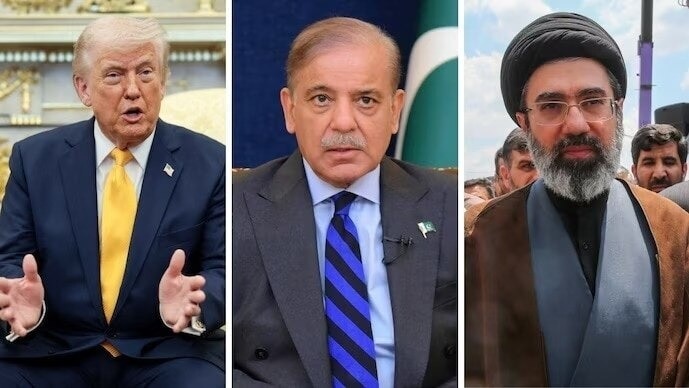
- President Donald Trump set an 8pm Washington time deadline (3:30am in Tehran) for Iran to end its blockade of Gulf oil or face the destruction of "every bridge and power plant in Iran," vowing to "unleash hell."
- Iran rejected a US proposal for a temporary ceasefire tied to an end to US-Israeli strikes and compensation for damages, while vowing to retaliate against US allies in the Gulf, whose cities the source says would be "uninhabitable without power or water."
- The five-week war has killed thousands across the region, mostly in Iran and Lebanon, and the closure of the Strait of Hormuz — which carries one-fifth of world oil and gas — has produced the "worst-ever energy supply disruption in history," per the source.
- Prime Minister Shehbaz Sharif told Saudi Crown Prince Mohammed bin Salman that Pakistan would stand "shoulder-to-shoulder" with Saudi Arabia, even as Islamabad works to keep Tehran at the table without preconditions and seeks to avoid a conflict along its shared western border with Iran.
- Pakistan's defense pact with Saudi Arabia could compel Pakistani military involvement if Riyadh retaliates, though analysts cited by Reuters said the agreement "may not trigger immediate military action but could be activated if conflict escalates."
Why it matters: Pakistan faces an irreconcilable squeeze: it is brokering a ceasefire while treaty-bound to defend the very country Iran just struck. If Saudi Arabia retaliates and activates the defense pact, Islamabad's mediator role collapses overnight and a nuclear-armed country enters a war along a border already shared with Iran and home to the world's second-largest Shi'ite population. The Hormuz closure has already triggered the worst-ever energy supply disruption in history.
Ask SkimNews