Trump's Tariffs Failed to Shrink the US Trade Deficit — SkimNews

Get the Geopolitics newsletter
Daily geopolitics — wars, elections, sanctions, the diplomatic moves that move markets. Free.
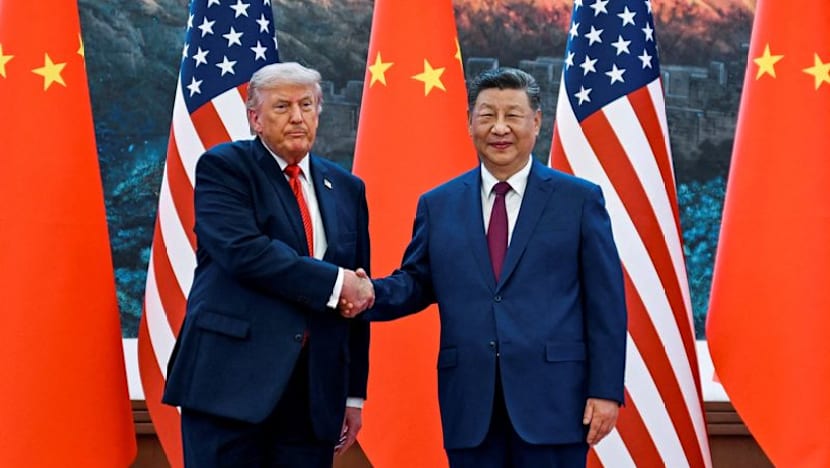
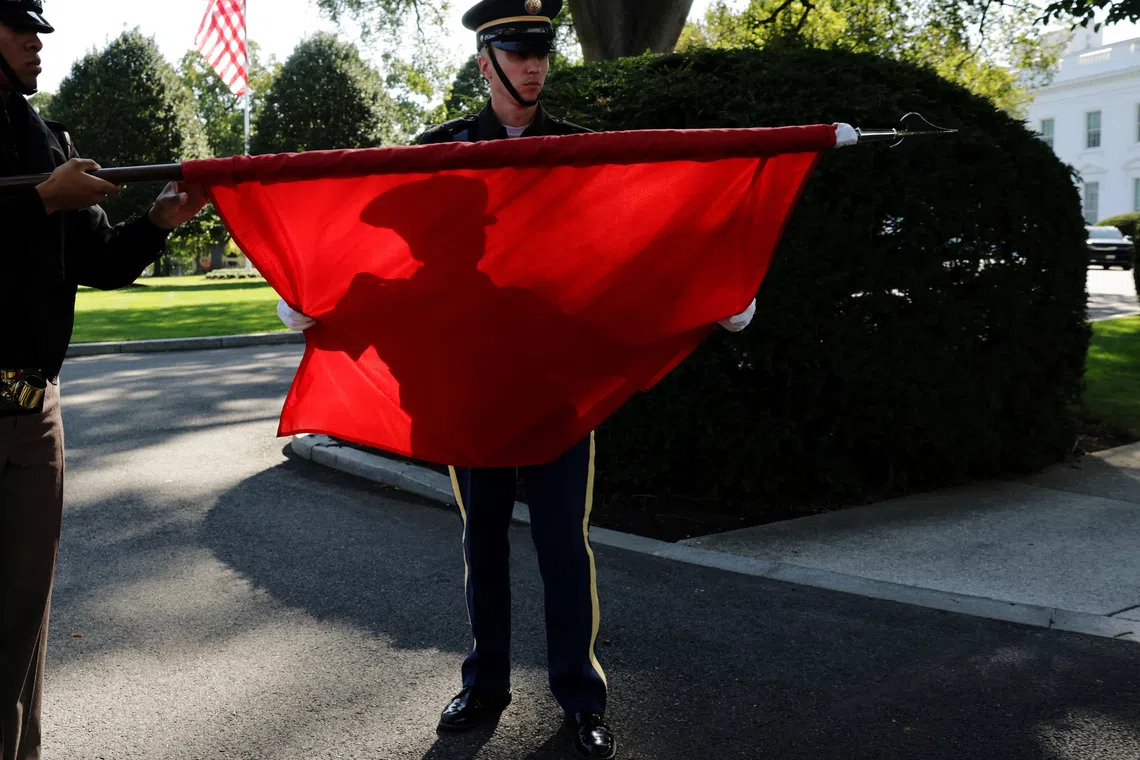
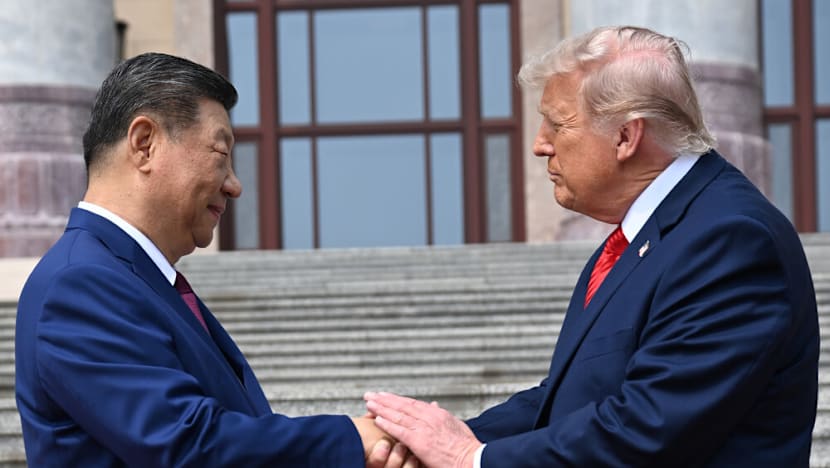
- Xi Jinping is set for a three-day White House state visit — the first by a Chinese leader in more than a decade — with Trump expected to greet him at Joint Base Andrews in a rare gesture, and the fragile tariff truce expiring November 10 high on the agenda.
- US-China bilateral trade collapsed 29% from $584bn (2024) to $415bn (2025), and January–July 2026 trade of $222bn is down 31% from the same 2024 period, driven mainly by lower US imports from China.
- China's global trade pivoted sharply to other markets, producing a record ~$1.2 trillion surplus in 2025 on total exports of about $3.77 trillion (+6.1%), with shipments to ASEAN up 14% (~$660bn) and to the EU up 9% (~$560bn).
- The US goods trade deficit defied the central justification for tariffs, rising from $1.201 trillion in 2024 to $1.235 trillion in 2025 — and the May–July 2026 deficit hit $325bn versus $277bn for the same stretch a year earlier, a 17.4% jump.
- Average tariffs stood at 36.5% on Chinese goods entering the US and 31% on US goods in China as of July 2026, but product-specific rates are far steeper: Chinese copper 73.6%, Chinese aluminum 65.2%, US beef up to 77%, and US LNG 25%.
- Beyond tariffs, the rivalry now spans sanctions, AI chip restrictions, rare-earth export curbs (Beijing controls nearly 90% of global processing capacity), last month's US ban on imported Chinese humanoid robots, and a US trial of Huawei on technology-theft charges opened earlier this month.
- Beijing's response to US sanctions on Chinese shipping operators over alleged Iranian-fuel handling included sanctioning US firms and curbing drone and drone-technology exports to the US, saying it was 'left with no choice but to take necessary countermeasures.'
Why it matters: Trump's central justification for the tariff regime was a smaller US trade deficit — yet that deficit grew from $1.201 trillion to $1.235 trillion in his first year and kept widening into mid-2026, while China's $1.2 trillion global surplus shows Beijing successfully redirected exports to ASEAN and Europe rather than absorbing the pain. With the November 10 truce deadline approaching and Xi's visit landing at the same time, American importers face a 30% bilateral trade contraction that the headline-level truce rhetoric doesn't capture, and Xi arrives with rare-earth leverage (nearly 90% of global processing capacity) as a bargaining chip against US AI chip curbs.
Ask SkimNews