Climate therapist shares nature-reciprocity practices — SkimNews
Get the Energy newsletter
Daily energy & climate — solar, EVs, oil, the policy fights and tech bets shaping the transition. Free.
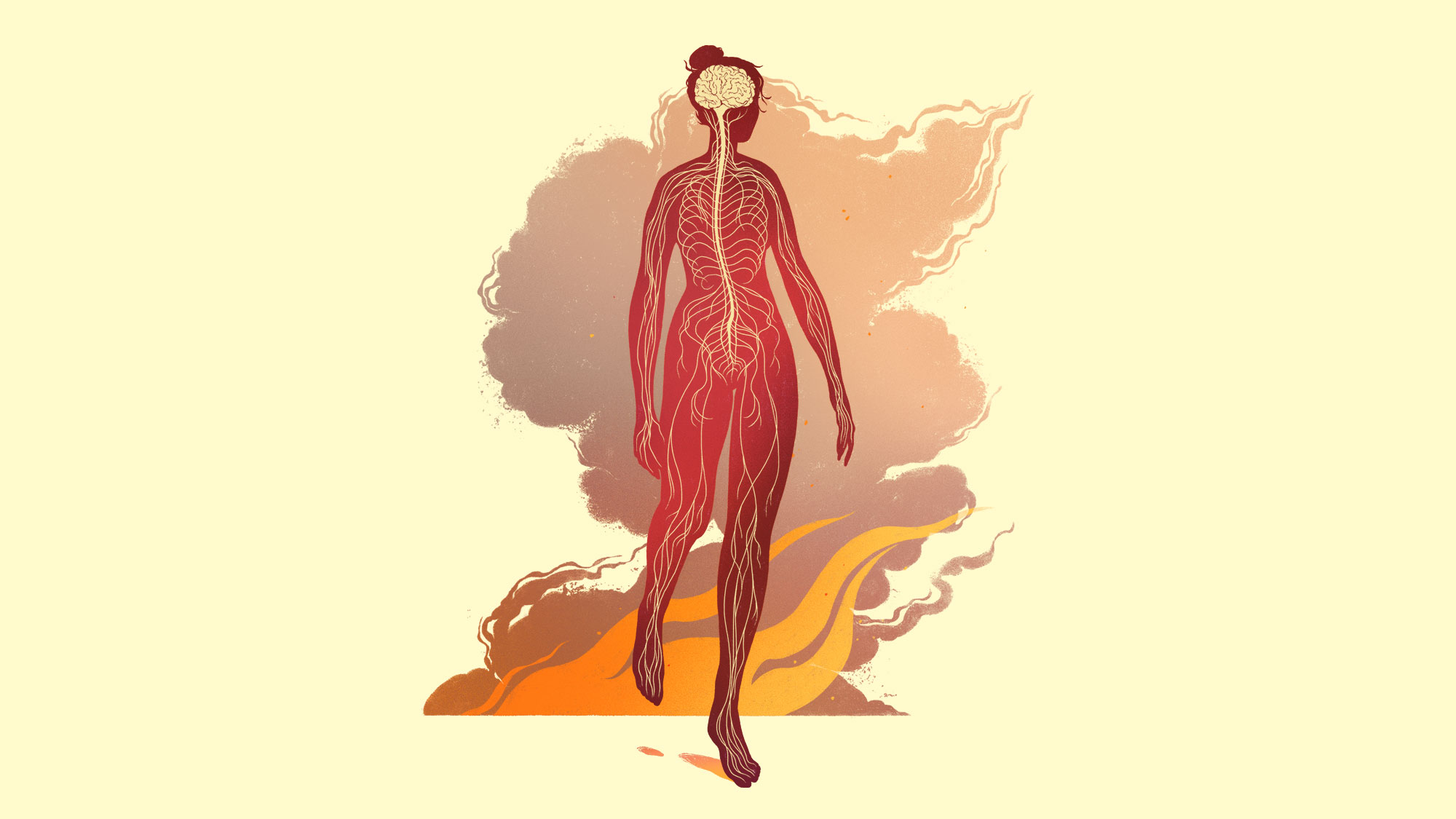
- Leslie, a psychotherapist who writes Grist's "Ask a Climate Therapist" column, answers a reader who asked why working with animals and tending to plants helps process grief, anxiety, and depression.
- She illustrates the answer through client "Emma", who despite a climate-aligned career and close community felt persistently "low" until she cried from joy listening to owls at a lake in Colorado's San Juan Mountains.
- Research Leslie cites shows compounds released by trees boost immune cell activity while stroking animals can lower stress hormones and raise oxytocin.
- Her recommended practices include a one-minute daily sensory pause, tending a plant or filling a birdfeeder to practice reciprocity, and occasionally leaving earbuds at home during runs or walks.
- Leslie authored the book "Transforming Climate Anxiety" and offers a free "We are Nature" guided mp3 to accompany it.
- The column frames engagement with living systems as reciprocal — noting that your exhale feeds plants while the oxygen they produce feeds you — arguing this direct contact sustains the capacity for larger climate work.
Why it matters: The column reframes climate-anxiety treatment from cognitive coping to embodied, sensory practices grounded in reciprocity with living systems. For climate workers and volunteers already at risk of burnout from what Leslie describes as caring for nature but being "separate from the natural world," she positions direct nature contact as a practical prerequisite for sustained advocacy rather than a bonus.
Ask SkimNews