US$14 billion Taiwan arms sales face post-midterm push — SkimNews
Get the Geopolitics newsletter
Daily geopolitics — wars, elections, sanctions, the diplomatic moves that move markets. Free.
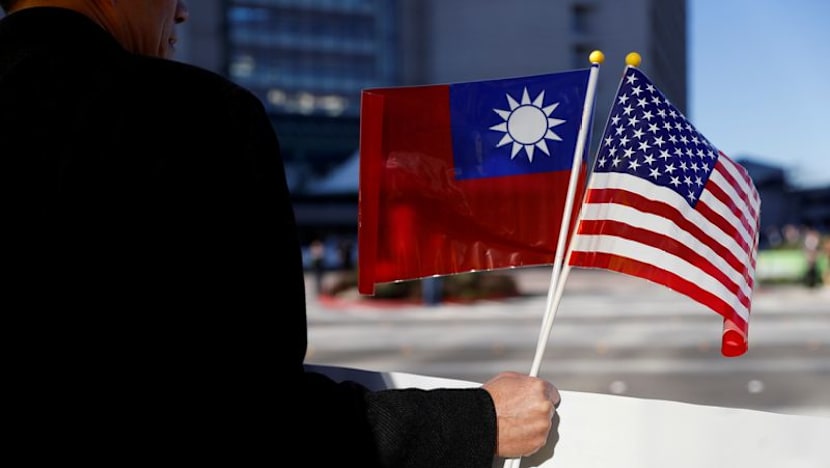
- Trump's Republican administration slowed arms sales to self-ruled Taiwan, treating them as a "negotiating" chip in its dealings with China, which opposes such sales and claims Taiwan as territory to be reunified with the mainland by force if necessary.
- Taiwan's Ministry of Foreign Affairs told The Straits Times on Nov 5 that Taiwan-US ties rest on a "principle of non-partisan engagement" long supported by bipartisan members of the US Congress and executive branch, and that MOFA will deepen cooperation in security, trade, science and technology, and education.
- Wellington Koo, Taiwan's defence minister, said the US Congress has consistently supported Taiwan's efforts to beef up its defence capabilities on a bipartisan basis, and that Taipei will keep close contact with the US Department of War to ensure the related arms sales proceed on schedule.
- David Sacks of the Council on Foreign Relations said one post-midterm outcome could be Republicans breaking with Trump to press the administration to approve the US$14 billion (S$17.86 billion) arms sales package — sending the message that Trump "doesn't necessarily reflect mainstream US thinking" on the issue.
- Congress could try to codify the Six Assurances into legislation, Sacks said, in a bid to show that US support for Taiwan's arms sales does not hinge on what Trump personally says.
- Six Assurances were conveyed privately to Taipei in July 1982 by Ronald Reagan's administration and later declassified; they include a clause not to set a date for ending arms sales to Taiwan, and were meant to reassure Taipei after the 1982 Joint Communique on Arms Sales with China spoke of gradually reducing US arms sales.
Why it matters: For Taiwan, the US$14 billion package is the concrete stake: defence minister Wellington Koo says he is pressing the US Department of War to keep the sales on schedule. The counterweight to an administration using those sales as China leverage, Sacks argues, is Congress legislating the Six Assurances, with bipartisan congressional backing already in place.
Ask SkimNews