Marcos Condemns China Envoy Remark as 'Veiled Threat' — SkimNews

Get the Geopolitics newsletter
Daily geopolitics — wars, elections, sanctions, the diplomatic moves that move markets. Free.
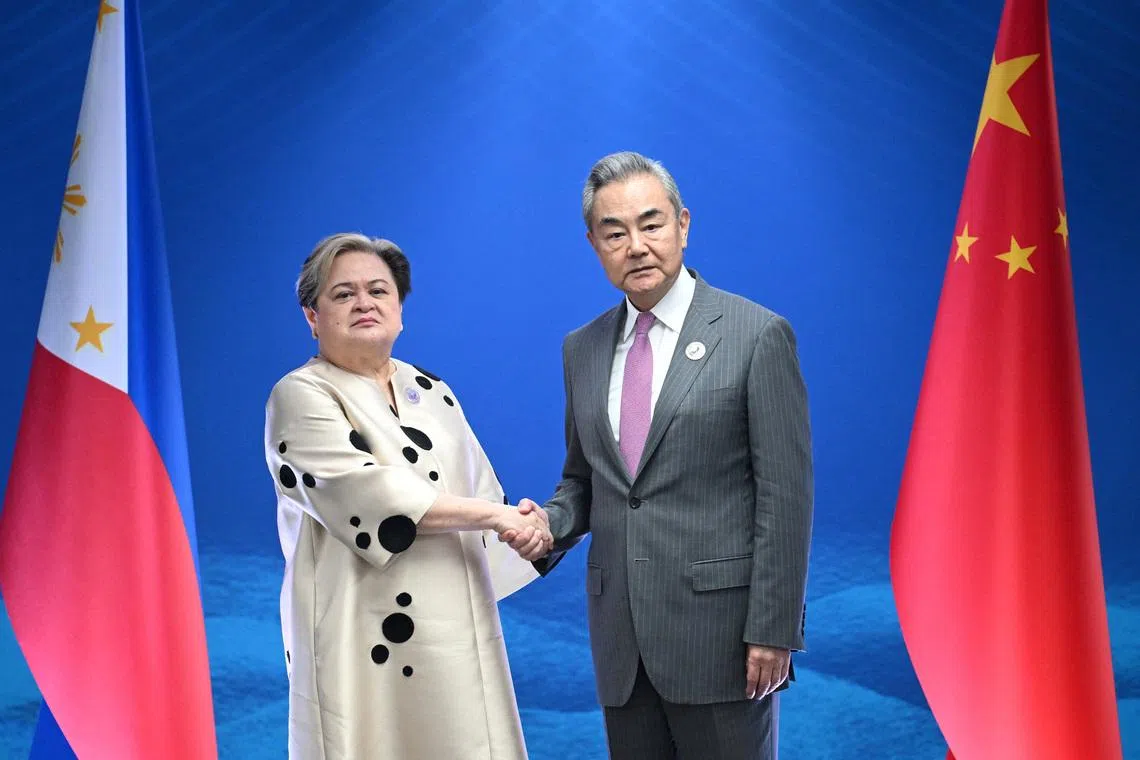
- President Ferdinand Marcos Jr. protested Chinese Ambassador Jing Quan's comments on Friday (Oct 16, 2026), saying they sounded 'very much to me like a threat and it is not a very diplomatic statement'
- Jing Quan told reporters at a Manila forum on Thursday (Oct 15, 2026) that 'If we want to use force, we may easily win. But no, we will not choose force and we love peace,' urging the Philippines to feel 'fortunate' to have China as a neighbor
- The ambassador invoked Ukraine, Gaza and Venezuela as regions absent of peace, arguing the South China Sea 'enjoys peace' — a comparison the Philippines read as veiled intimidation
- Philippine Defense Secretary Gilberto Teodoro Jr. had called China a 'troublemaker' in the region; in June, Beijing banned Teodoro and his family from entering China, Hong Kong and Macao over 'irresponsible remarks'
- The Philippine Department of Foreign Affairs said Jing's language conveyed 'a thinly veiled threat of the use of force' and urged diplomats to 'take greater care' in public statements to avoid 'eroding mutual trust'
- China's Embassy in Manila accused the DFA of 'selective quotation and overinterpretation,' warning that 'China-Philippines relations are currently at an extremely sensitive stage' and at risk of being 'pushed into a dangerous and uncertain situation'
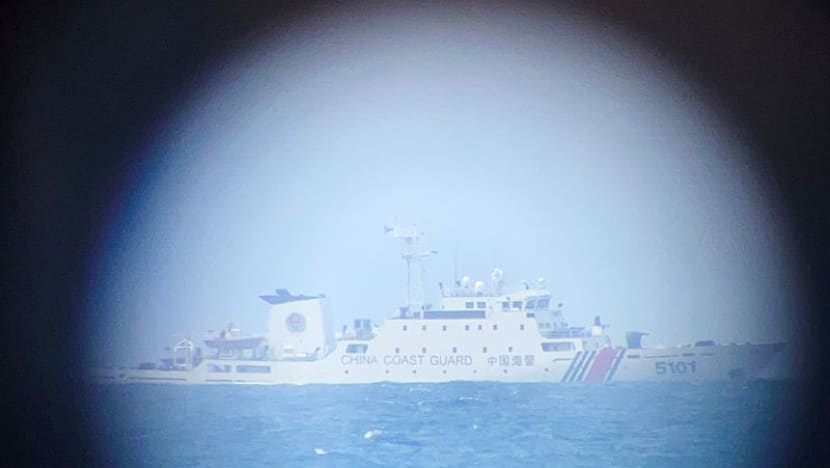
- The dispute runs over South China Sea territorial claims, where Beijing asserts sovereignty over virtually the entire waterway while the Philippines, Vietnam, Malaysia, Brunei and Taiwan maintain overlapping claims
Why it matters: The exchange escalates a years-long diplomatic clash between Manila and Beijing over contested waters, with one Philippine cabinet minister — Teodoro — now effectively barred from China after being banned in June. Jing's attempt to frame the South China Sea as peaceful 'unlike Ukraine, Gaza and even Venezuela' was meant to project restraint but landed as an explicit threat, suggesting Beijing's diplomatic signaling is failing to reassure smaller neighbors.
Ask SkimNews