NASA’s Artemis I mission reveals surprising radiation levels near the Moon — SkimNews
Get the Health newsletter
Daily health & science — research, biotech, public health, the studies worth knowing. Free.
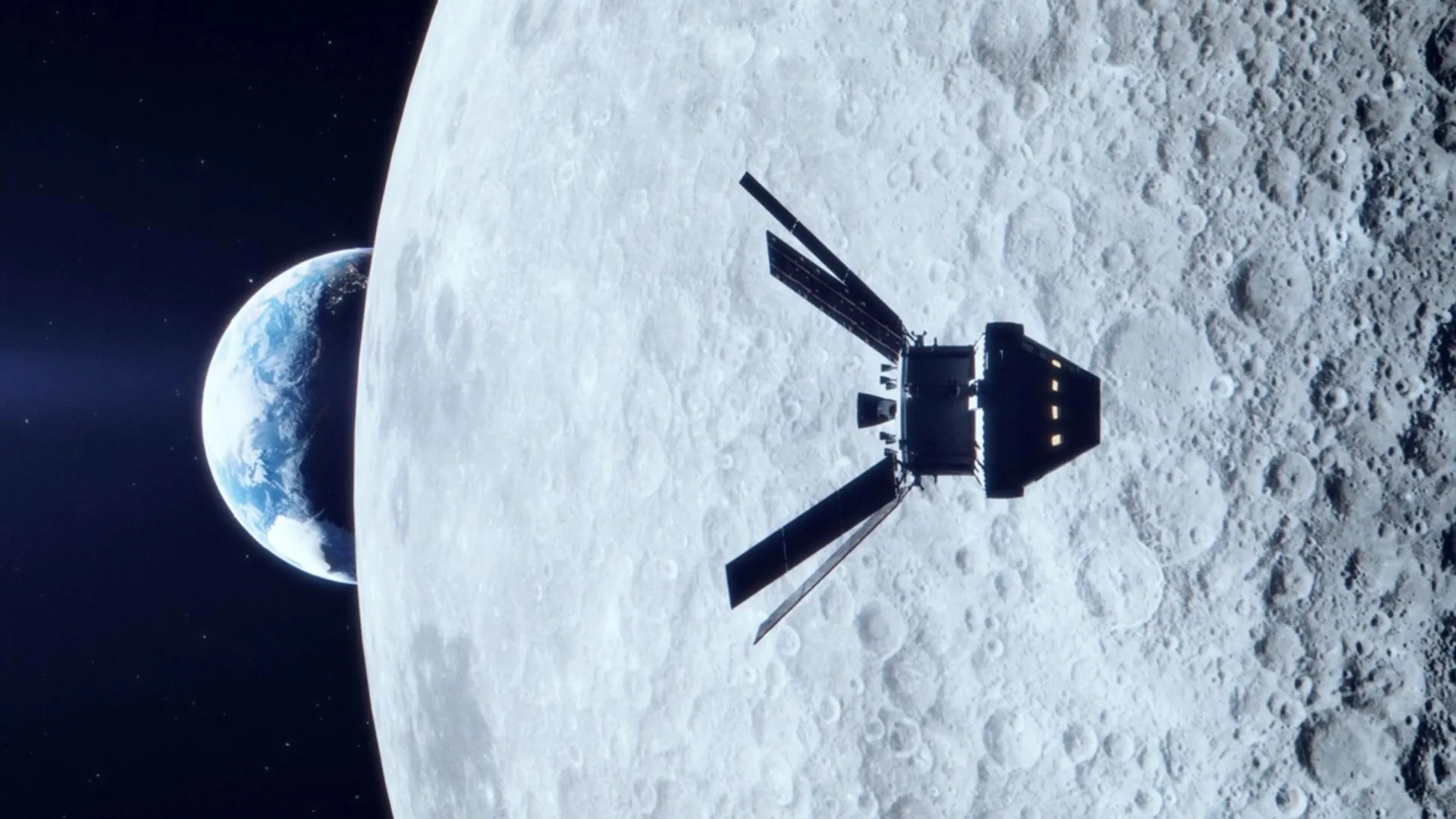
- Orion carried more than 10,000 tiny crystals inside two human-shaped mannequins during Artemis I’s uncrewed lunar flight in late November and early December 2022.
- IFJ PAN created several dozen experimental fluorescent lithium-fluoride detectors and supplied nearly 600 thermoluminescent crystal detectors for the MARE study aboard Artemis I.
- MARE researchers used background-correction software and calibration methods that brought lithium-fluoride readings within 15% of conventional track detectors across the full overlapping energy-deposition range and recorded events below older detection thresholds.
- Artemis I measured a higher total radiation dose near the Moon than in low Earth orbit, but the gap was smaller than expected because Van Allen belt protons account for most of the orbital dose and disappear near the Moon.
- MATROSHKA measurements aboard the International Space Station more than a decade earlier showed an uneven dose pattern, partly reflecting low-energy Van Allen protons; Artemis I recorded nearly uniform doses as high-energy galactic particles traversed the mannequins.
- IFJ PAN’s millimeter-scale lithium-fluoride detectors avoid chemical etching, resolve individual tracks more sharply than plastic detectors, register multiple particle types and energies, and detect neutrons when enriched with lithium-6.
Why it matters: For future lunar astronauts, Artemis I’s nearly uniform mannequin dose profile and agreement within 15% of conventional trackers provide a more reliable basis for exposure assessment. Millimeter-scale crystals are also small enough to wear, giving crews a more practical tool for monitoring radiation during missions.
Ask SkimNews


