Secret Service moved Trump off Air Force One over missile threat — SkimNews

Get the Geopolitics newsletter
Daily geopolitics — wars, elections, sanctions, the diplomatic moves that move markets. Free.
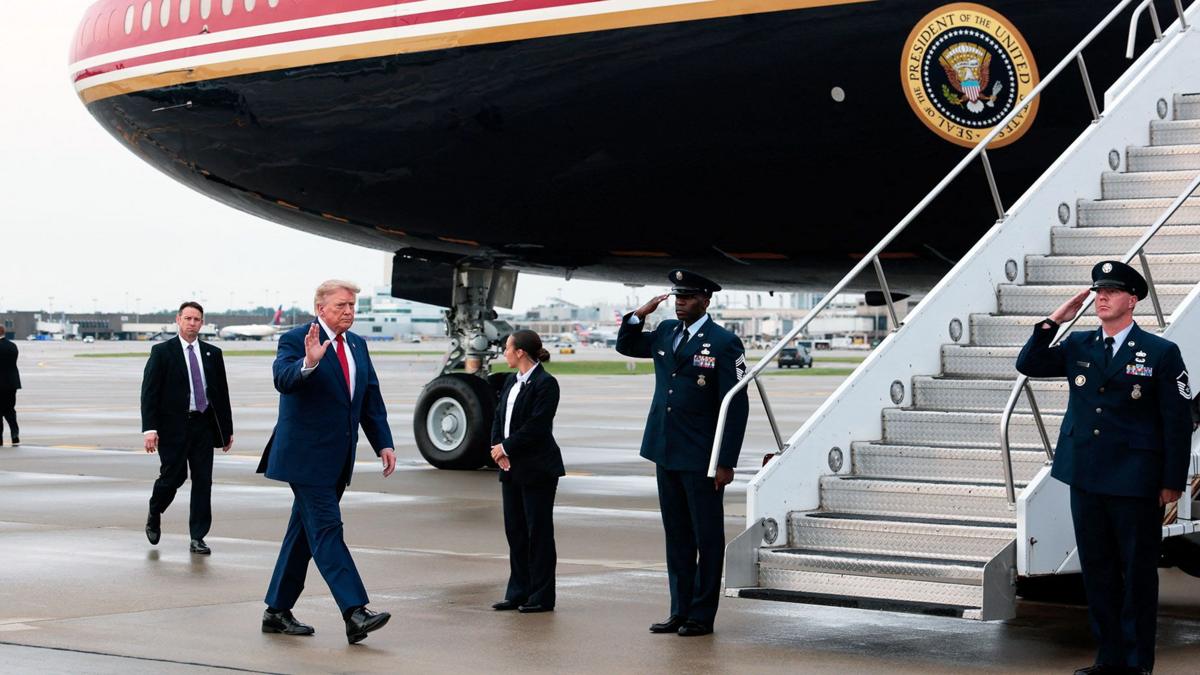
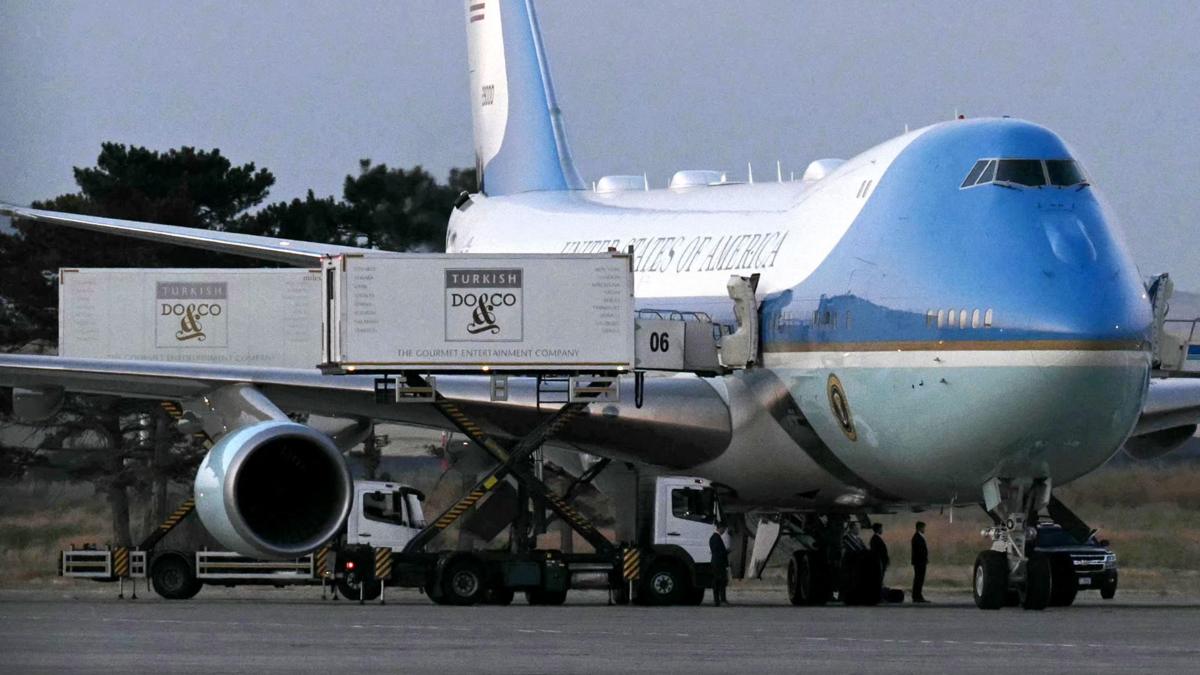
- Secret Service deemed a shoulder-fired missile threat against Air Force One credible and imminent on the final day of Trump's NATO-summit visit to Ankara, prompting agents to use a catering truck to surreptitiously switch the president and a handful of aides onto a smaller C-32A jet on July 8.
- Air Force One departed Turkey separately carrying Secretary of State Marco Rubio, Treasury Secretary Scott Bessent, communications director Steven Cheung, and the 13-person press pool — including a Reuters correspondent and photographer — as a decoy.
- Trump told reporters Tuesday that he followed the Secret Service's direction in making the switch and, without offering evidence, asserted that the smaller plane he flew on was actually at greater risk because adversaries would more likely target the plane they expected him to be on.
- Iranian intelligence reportedly knew Trump's exact location in Ankara, including the floor of his hotel, according to the New York Times, underscoring the threat environment that triggered the scramble.
- Aerospace experts flagged next-generation heat-seeking missiles — including the Iranian SA-67 and the Russian-made 9K333 Verba — as a growing concern because they home in on hot aircraft engines without emitting detectable radio waves.
- Media commentators and lawmakers have questioned whether the operation left aides and journalists aboard the presumed decoy plane exposed to the very threat the maneuver was designed to counter.
Why it matters: The operation put the 13-person press pool and senior officials aboard the plane adversaries were believed to be tracking — the opposite of a safe decoy — and confirms Iran's apparent ability to pinpoint Trump's hotel floor in Ankara, a vulnerability that could reshape how presidential travel to hostile-region summits is planned.
Ask SkimNews