Houthis' Red Sea Blockade Deepens Asia's Energy Crisis — SkimNews

Get the Energy newsletter
Daily energy & climate — solar, EVs, oil, the policy fights and tech bets shaping the transition. Free.
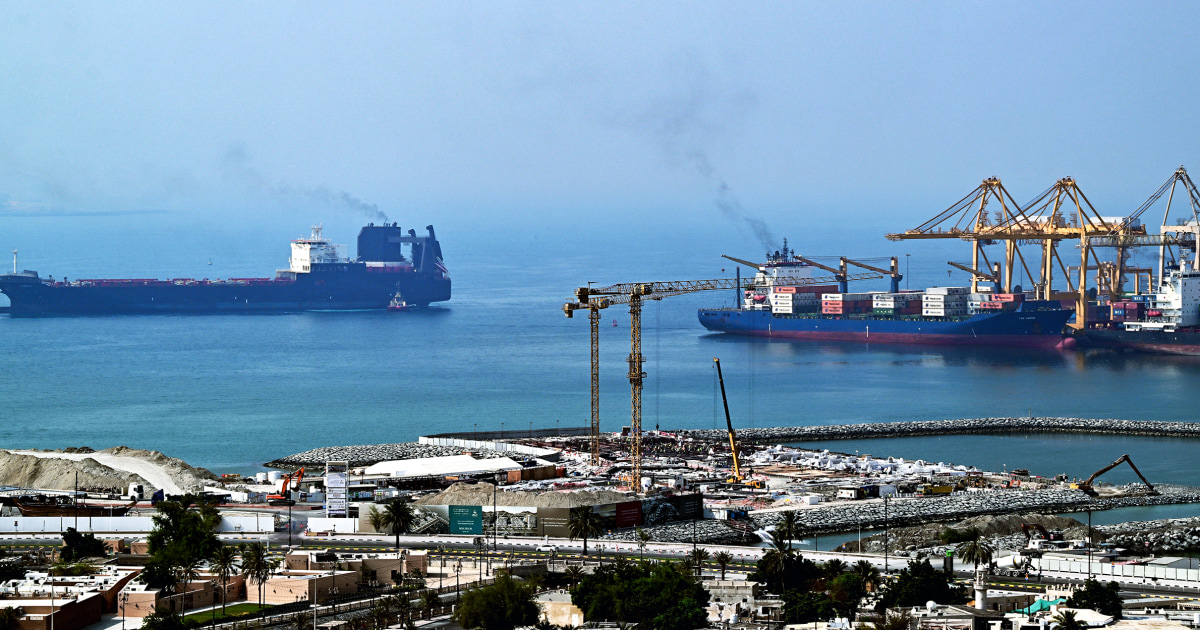
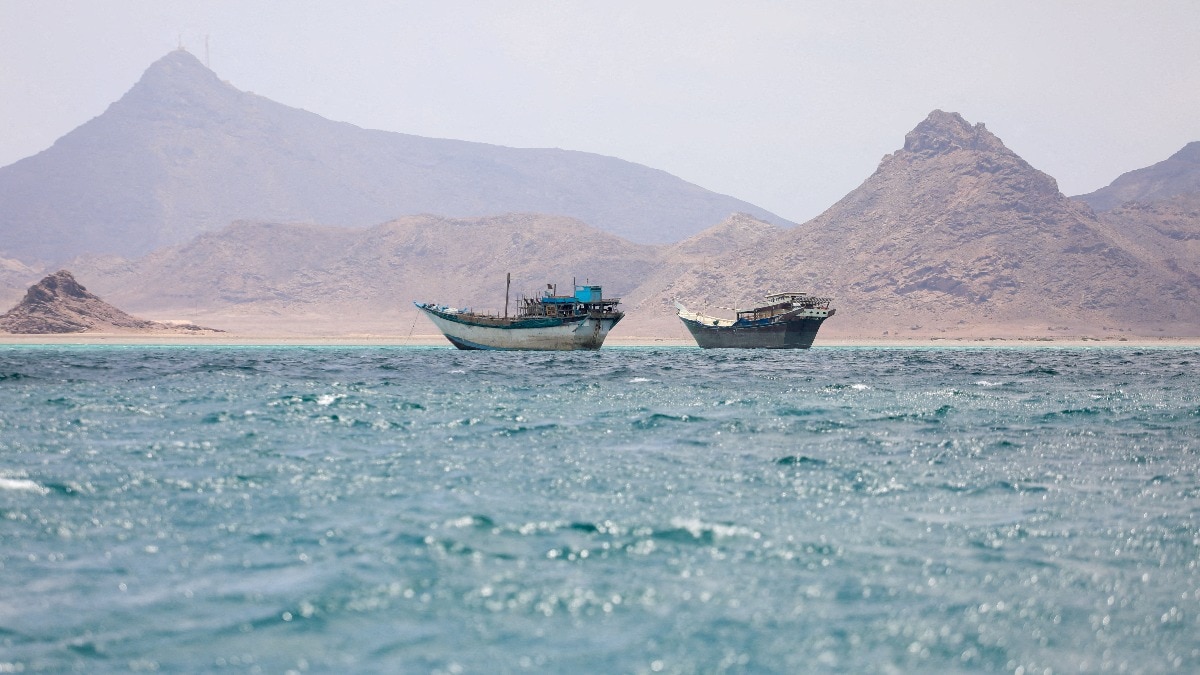
- Houthis launched a blockade of Saudi Arabian shipping through the Bab al-Mandab strait at the southern Red Sea entrance, targeting at least two Saudi oil tankers last week and striking Saudi oil infrastructure this week.
- Saudi Arabia now sends more than 70% of its crude exports through the Red Sea port of Yanbu — a lifeline created after Iran's March closure of the Strait of Hormuz — leaving Riyadh's exports newly exposed to Houthi attacks.
- War risk insurance premiums for tankers doubled in the past week, potentially adding hundreds of thousands of dollars per voyage, with costs expected to pass through to Asian consumers already grappling with import-driven inflation.
- Japan, the Philippines, Thailand, and South Korea — which rely on Middle East oil for up to 90% of imports — face their second energy shock in six months, with the Asia Group's Ahmed Helal warning global reserve capacity is nearly exhausted.
- South Korea extended fuel tax cuts while the Philippines, India, and South Korea are bolstering strategic reserves; Japan and South Korea reportedly bought Russian oil for the first time since 2022, and a Chinese refiner ramped up purchases of sanctioned Russian crude.
- Rerouting via the Suez is limited because VLCCs are too large to pass fully loaded, forcing tankers to offload up to half their cargo into Egypt's Sumed pipeline; the Cape of Good Hope alternative would more than double voyage times.
Why it matters: With global reserves nearly depleted and 70% of Saudi crude now routed through the threatened Bab al-Mandab strait, Asian governments face their second supply shock in six months — driving them toward sanctioned Russian oil and doubling tanker insurance costs that will land on consumers already battling inflation.
Ask SkimNews