POGOs to Myanmar Scam Compounds: Filipino Victims Still Trapped — SkimNews

Get the Geopolitics newsletter
Daily geopolitics — wars, elections, sanctions, the diplomatic moves that move markets. Free.
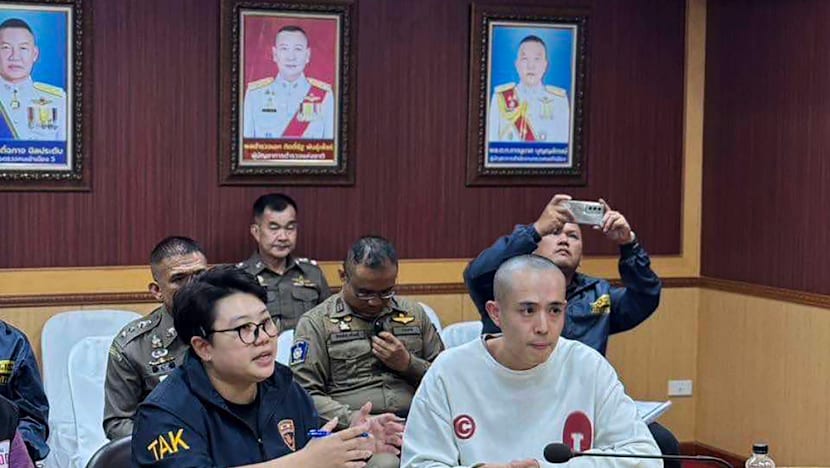
- Eunice Barbara Novio, a Thailand-based journalist and English lecturer at Vongchavalitkul University, told The Diplomat's Luke Hunt that the current Myanmar scam compound phenomenon has roots in the Philippines dating to 2016, when POGOs took hold in towns like Bamban north of Manila.
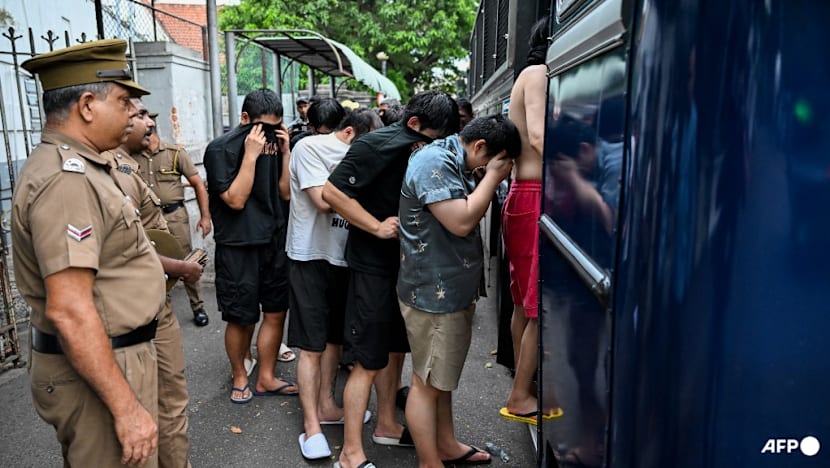
- Alice Guo, the former Bamban mayor, was sentenced to life in prison in November 2025 after a Philippine court found her guilty of qualified human trafficking involving hundreds of people forced to run scams on pain of mistreatment and torture.
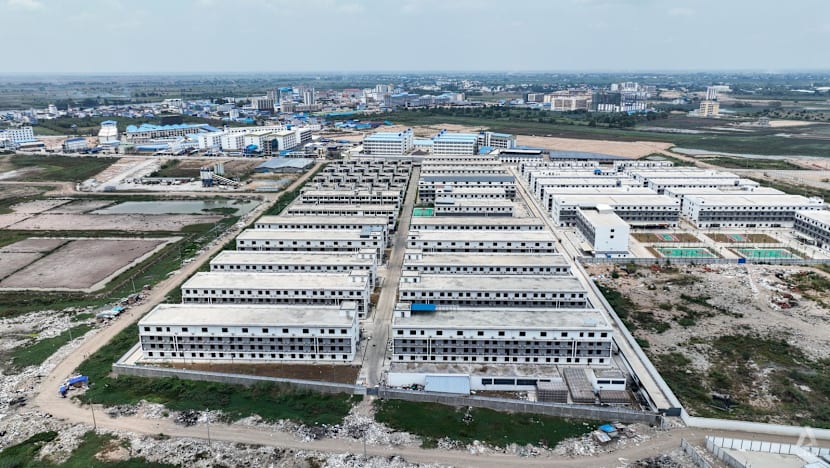
- POGOs were banned in the Philippines in late 2024, but Novio, a two-time Plaridel Awardee for Journalism, says organized crime has restructured by moving operations further inland in Myanmar, away from the Thai border.
- The Philippines' Department of Migrant Workers, which has a long history of handling the country's large expat working population, has been used to extract and repatriate victims of organized crime from the compounds.
- Novio has personally helped victims escape from compounds operating inside Myanmar and close to the Thai border, and estimates that thousands of Filipinos remain in Myanmar scam compounds today.
Why it matters: Novio's account connects the Philippines' 2024 POGO ban to an evolving cross-border trafficking pipeline, with the Alice Guo conviction marking the first major legal accountability for the hub towns that fed the trade — yet thousands of Filipinos remain unrepatriated as syndicates relocate deeper into Myanmar beyond the reach of border rescue operations.
Ask SkimNews