First Antarctica Dinosaur Bone ID'd After 40 Years in — SkimNews
Get the Health newsletter
Daily health & science — research, biotech, public health, the studies worth knowing. Free.
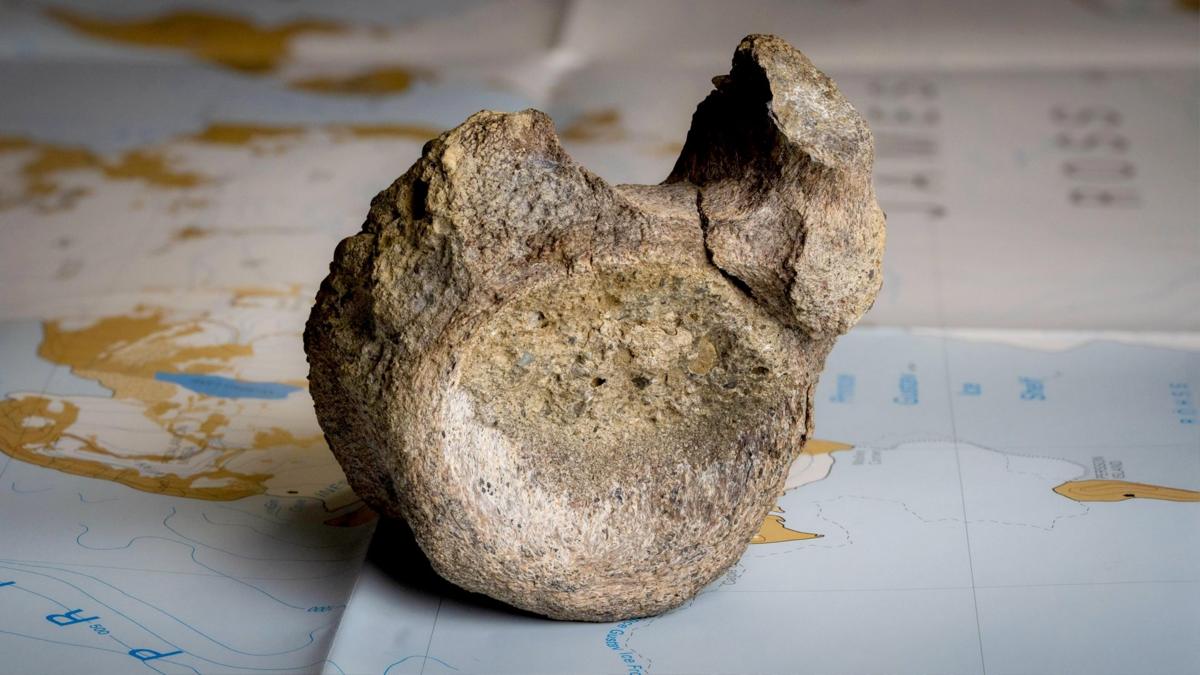
- British Antarctic Survey palaeontologists identified a fossil originally collected on James Ross Island in 1985 as the first dinosaur bone from Antarctica, confirmed as a ~10cm-wide Titanosaur tail vertebra after sitting misidentified in a BAS drawer in Cambridge for 40 years.
- Dr Mark Evans, BAS collections manager, spotted the specimen among thousands of others and called in Prof Paul Barrett of the Natural History Museum, who recognized the distinctive ball-and-socket joint features unique to Titanosaurs as a 'dead cert.'
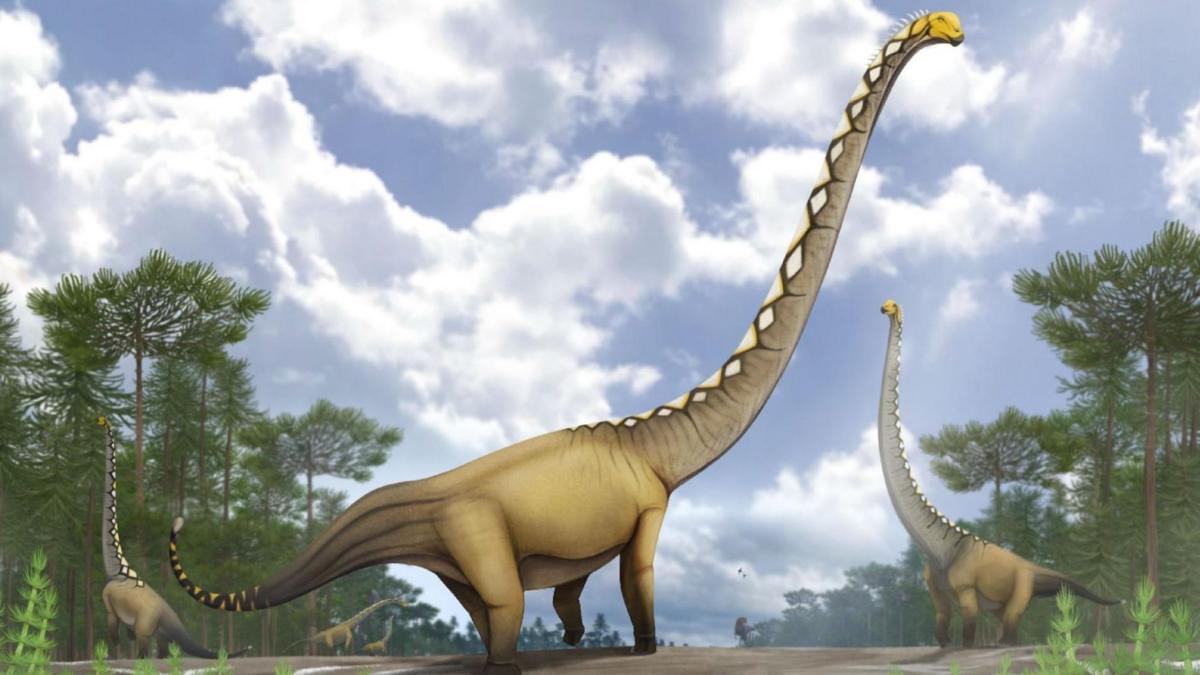
- The Antarctic Titanosaur is estimated at roughly 23ft (7m) long — far smaller than Titanosaurs found elsewhere, which have exceeded 115ft (35m) and 60 tonnes; Barrett suggested it may have been a juvenile or a genuinely small adult bucking the group trend.
- The dinosaur lived approximately 82 million years ago in the Late Cretaceous, when Antarctica was covered in lush forest capable of supporting large plant-eating dinosaurs with long necks and counterbalancing tails.
- Antarctica's fossil record remains sparse — ice conceals the rock beneath, and harsh conditions limit fieldwork — though other dinosaur fossils have been found on the continent since 1985, filling in an ecosystem Barrett described as having a 'huge cast of characters' at the bottom of the world.
Why it matters: For Antarctic palaeontology, this rediscovery confirms dinosaurs roamed the continent during the Late Cretaceous and adds a rare data point from one of the least-sampled fossil regions on Earth. With over 100 Titanosaur species now identified globally and this specimen sitting misclassified for 40 years, it underscores how much of the continent's prehistoric record remains hidden — both in the rock and in archived collections.
Ask SkimNews