AI investor Leopold Aschenbrenner forced to unwind all public stock positions after steep losses, sources say — SkimNews

Get the Finance newsletter
Daily finance — markets, central banks, M&A, the prints that move money. Free.
- Situational Awareness is unwinding many trades after steep losses on AI infrastructure stocks such as SK Hynix and a short bet against Adobe that moved against it, with prime brokers Bank of America, Goldman Sachs, and JPMorgan Chase raising cash for margin requirements.
- Ken Griffin's Citadel struck a deal to purchase the fund's publicly traded assets, according to people familiar with the matter.
- The fund had grown to roughly $45 billion at the start of July before losses took hold; all four of its largest Q1 holdings — Nebius Group, Sandisk, Micron, and CoreWeave — are each down more than 35% this month.
- Aschenbrenner was fired from OpenAI in 2024 over what the company described as improper disclosure of internal information; he has disputed that characterization and tied his departure to warnings he raised about OpenAI's security practices.
- The firm was negotiating to sell its Anthropic stake, though a Situational Awareness spokesman denied reports it was actively marketing the stake.
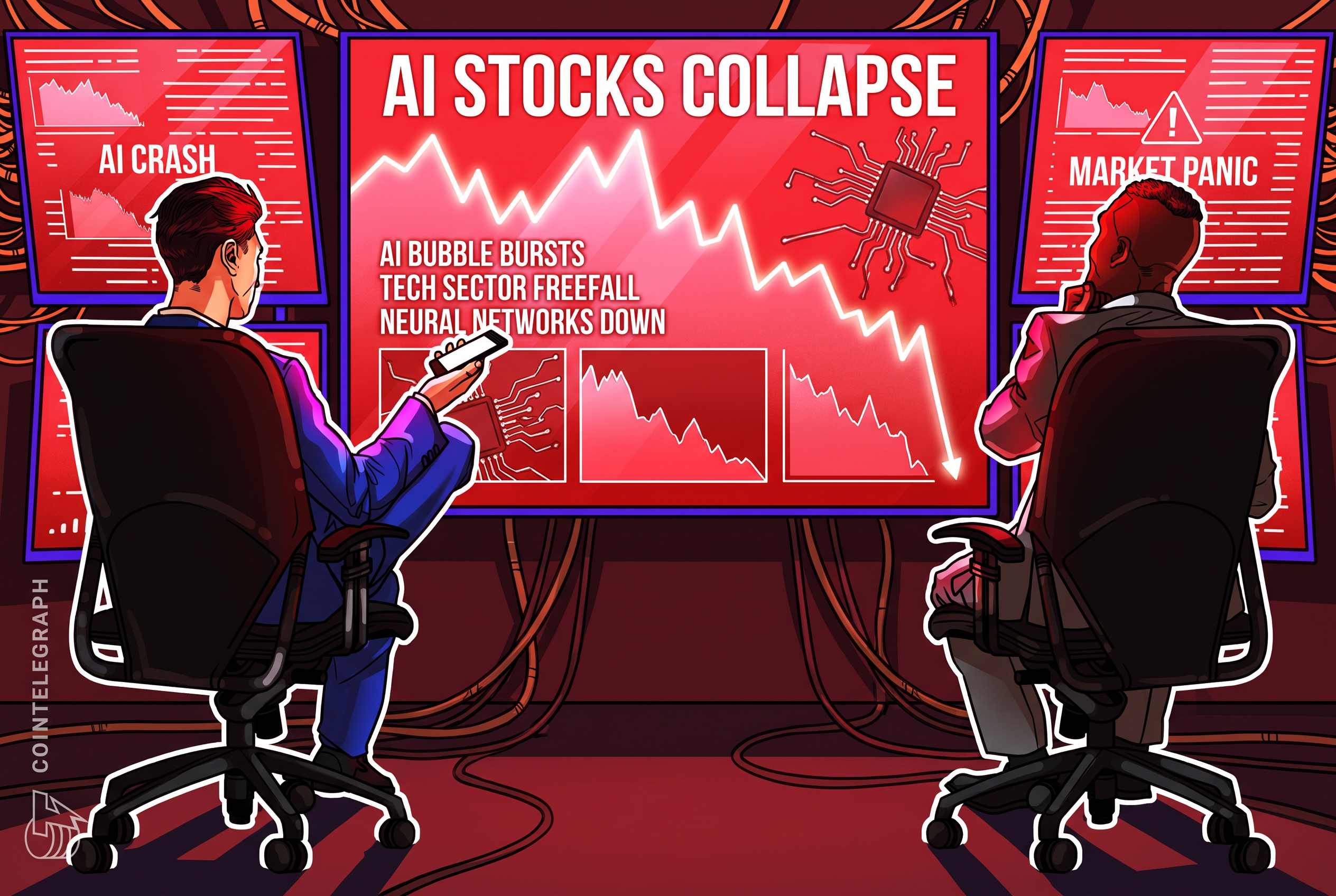
Why it matters: This is the first major stress test of the crowded AI-infrastructure trade — a roughly $45 billion fund built around the thesis that AI requires massive semiconductor and energy buildout is now unwinding, with each of its top four holdings (Nebius, CoreWeave, Micron, Sandisk) down more than 35% this month and prime brokers forced into damage-control mode.
Ask SkimNews