Nvidia's DLSS 5 sparks gamer backlash over AI-altered faces — SkimNews

Get the Tech newsletter
Daily tech — startups, AI labs, chips, the launches that shape the next decade. Free.
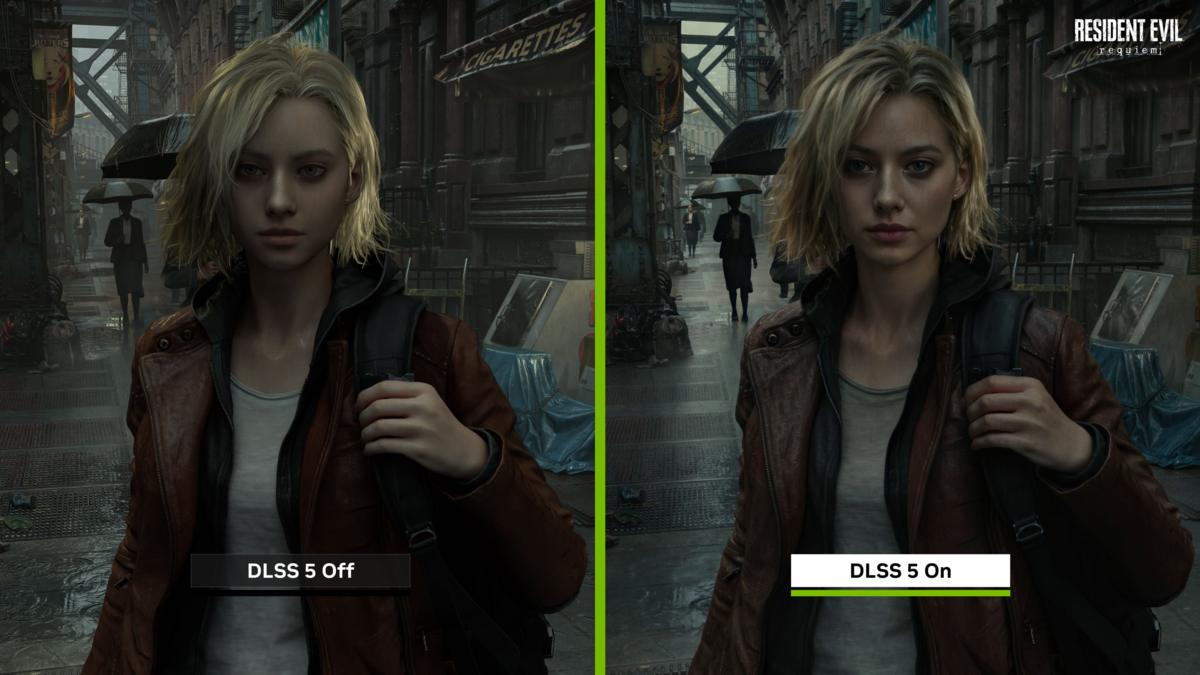
- Nvidia revealed DLSS 5 at its GTC conference, calling it 'a 3D guided neural rendering model' that uses generative AI to change game lighting and materials in real-time, billed as the company's 'most significant breakthrough in computer graphics since the debut of real-time ray tracing in 2018.'
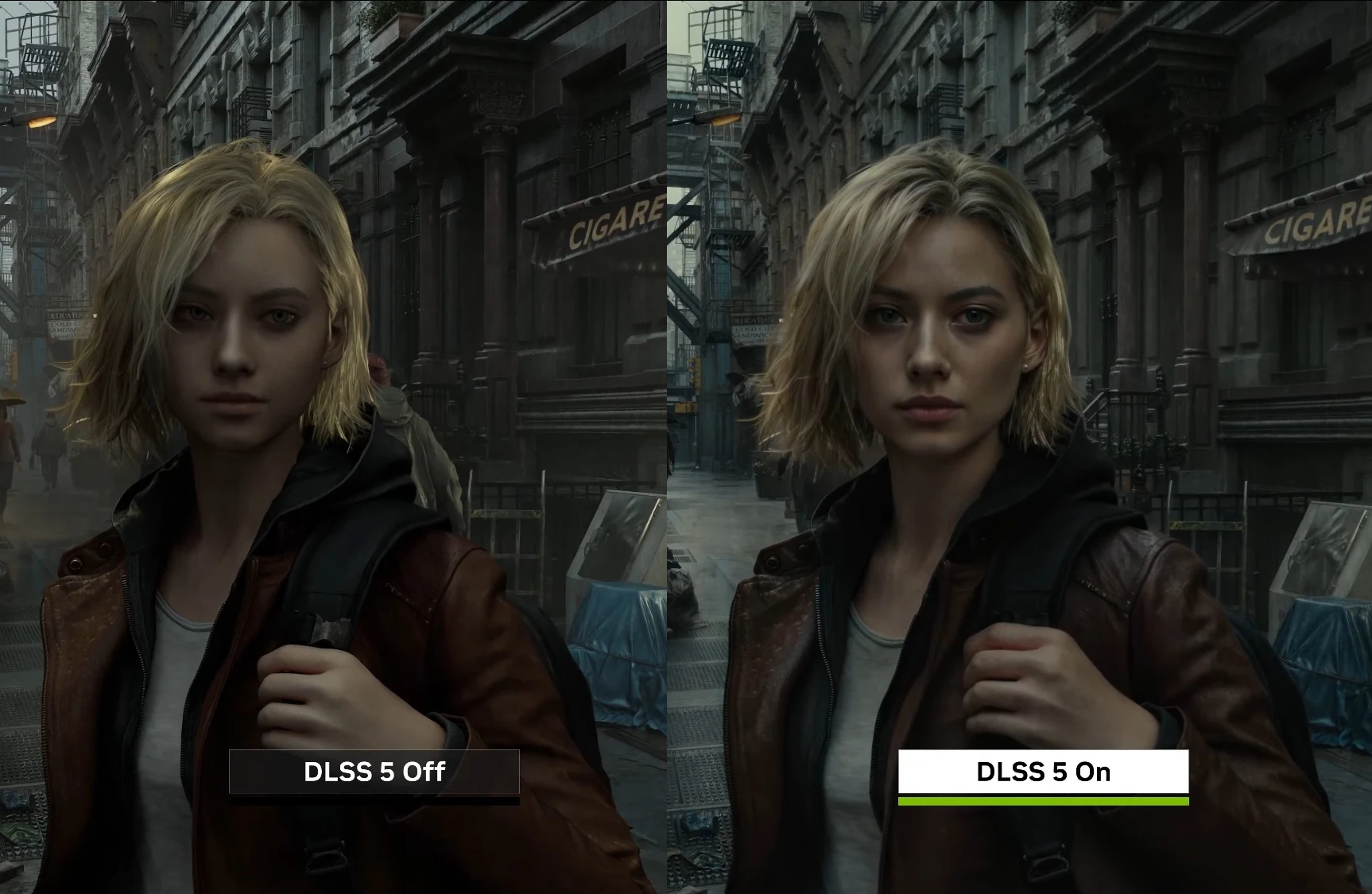
- DLSS 5 demos applied the tech to Resident Evil Requiem, Starfield, Hogwarts Legacy, and EA Sports FC, with critics flagging the Resident Evil Requiem protagonist Grace and Hogwarts Legacy characters as looking like they were run through an AI filter — even Liverpool captain Virgil van Dijk's real face was visibly altered.
- Gamers responded with memes and complaints about characters being 'yassified,' with the dominant reaction calling the results 'AI slop' rather than an upgrade.
- Jensen Huang defended the tech, saying critics are 'completely wrong' because DLSS 5 'fuses controllability of geometry and textures and everything about the game with generative AI' and that developers can 'fine-tune the generative AI.'
- Nvidia positioned DLSS 5 as the 'GPT moment for graphics,' arguing it blends hand-crafted rendering with generative AI while preserving artist control.
- DLSS 5 launches this fall with confirmed developer support from Bethesda, Capcom, Hotta Studio, NetEase, NCSoft, S-Game, Tencent, Ubisoft, and Warner Bros. Games.
Why it matters: Nvidia's biggest graphics pitch since real-time ray tracing is landing with the opposite of enthusiasm from its core audience, and Huang's 'completely wrong' retort risks deepening the rift just as DLSS 5 is about to ship this fall with nine major publisher partners. The episode exposes a growing tension: Nvidia is treating generative AI as the obvious next leap, while a vocal segment of gamers sees face-altering filters as a violation of the games they already love.
Ask SkimNews