Japan Decouples From China After Takaichi's Taiwan Remarks — SkimNews

Get the Geopolitics newsletter
Daily geopolitics — wars, elections, sanctions, the diplomatic moves that move markets. Free.
- Japan and China established bilateral trade through an unofficial mechanism in 1962, a decade before diplomatic normalization in 1972, and Japan led G7 efforts in 1989 to prevent China's complete international isolation after Tiananmen.
- Takaichi Sanae's late-2025 statements hinting at possible Self-Defense Forces deployment in a Taiwan crisis triggered Beijing to impose export controls on rare earths and dual-use technologies and to arrest Japanese company employees accused of illegally exporting rare earth magnets.
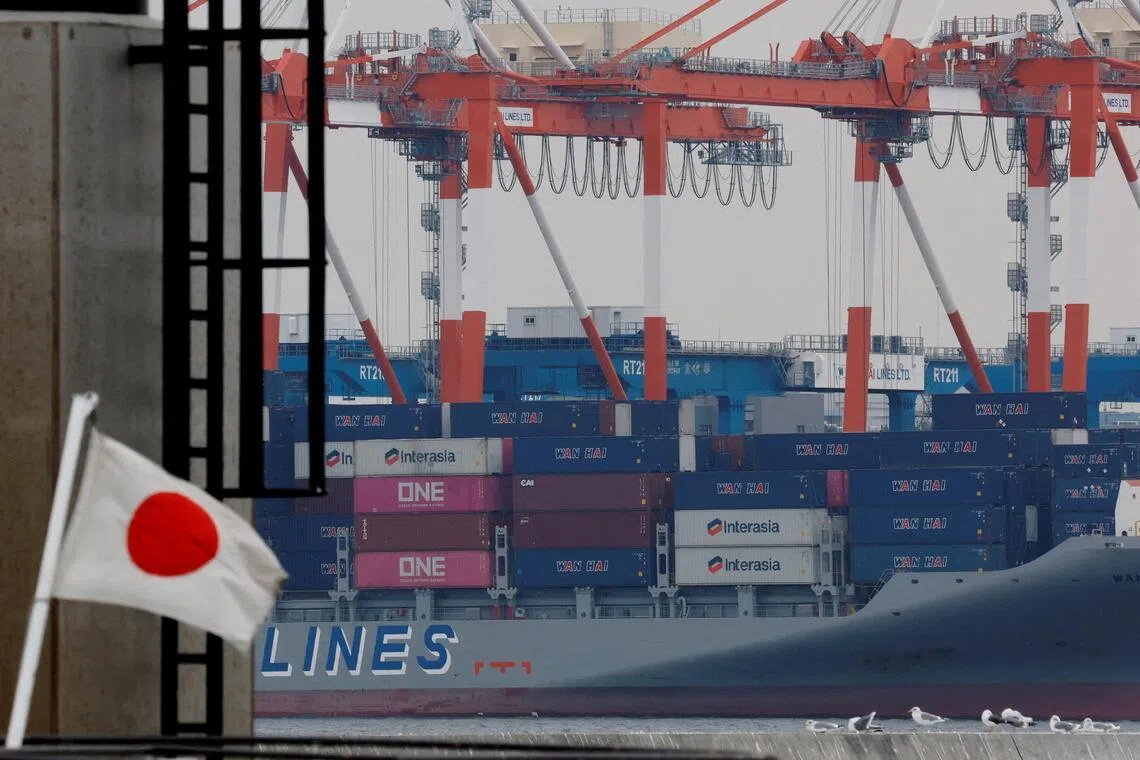
- China controls nearly 90 percent of global rare earth refining capacity, a leverage point that has already produced tangible effects on Japanese companies reliant on Chinese supply chains.
- A generational shift within the LDP is reshaping Japan-China policy: aging "China hands" shaped by wartime guilt and gratitude for waived reparations are being replaced by hawkish conservatives such as Abe Shinzo, Ishiba Shigeru, and Takaichi — all of whom visited Taiwan before becoming prime minister — who view the historical debt as already repaid.
- Takaichi's "updated free and open Indo-Pacific" speech preserved predecessor principles but elevated economic security and resilient supply chains with like-minded nations, signaling that Japan now prioritizes responding to geopolitical realities over preserving engagement with Beijing.
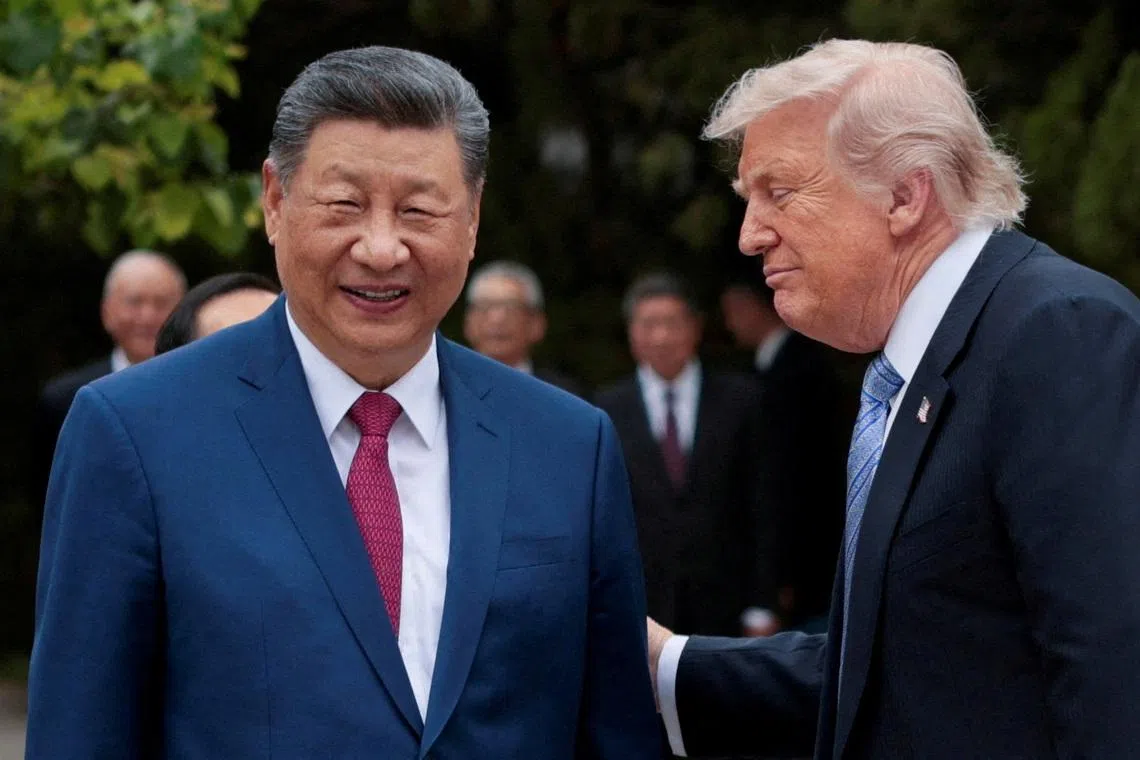
- Diplomatic ties remain stagnant, with no near-term bilateral summit between Xi Jinping and Takaichi in sight, even after Takaichi's early-2026 electoral victory.
Why it matters: Japan's pivot reverses a decades-long policy of integrating China into the international community regardless of cost. With China controlling roughly 90 percent of global rare-earth refining capacity and Japan heavily exposed to those supply chains, Beijing's targeted export controls and arrests of Japanese employees give Tokyo concrete economic reasons — beyond the Taiwan trigger — to restructure trade toward like-minded partners.
Ask SkimNews