Nvidia DLSS 5 AI Graphics Draw Artist, Critic Backlash — SkimNews
Get the Tech newsletter
Daily tech — startups, AI labs, chips, the launches that shape the next decade. Free.
- Nvidia unveiled DLSS 5 at its annual Silicon Valley conference, calling it the most significant computer-graphics breakthrough since real-time ray tracing in 2018, with rollout planned for this autumn.
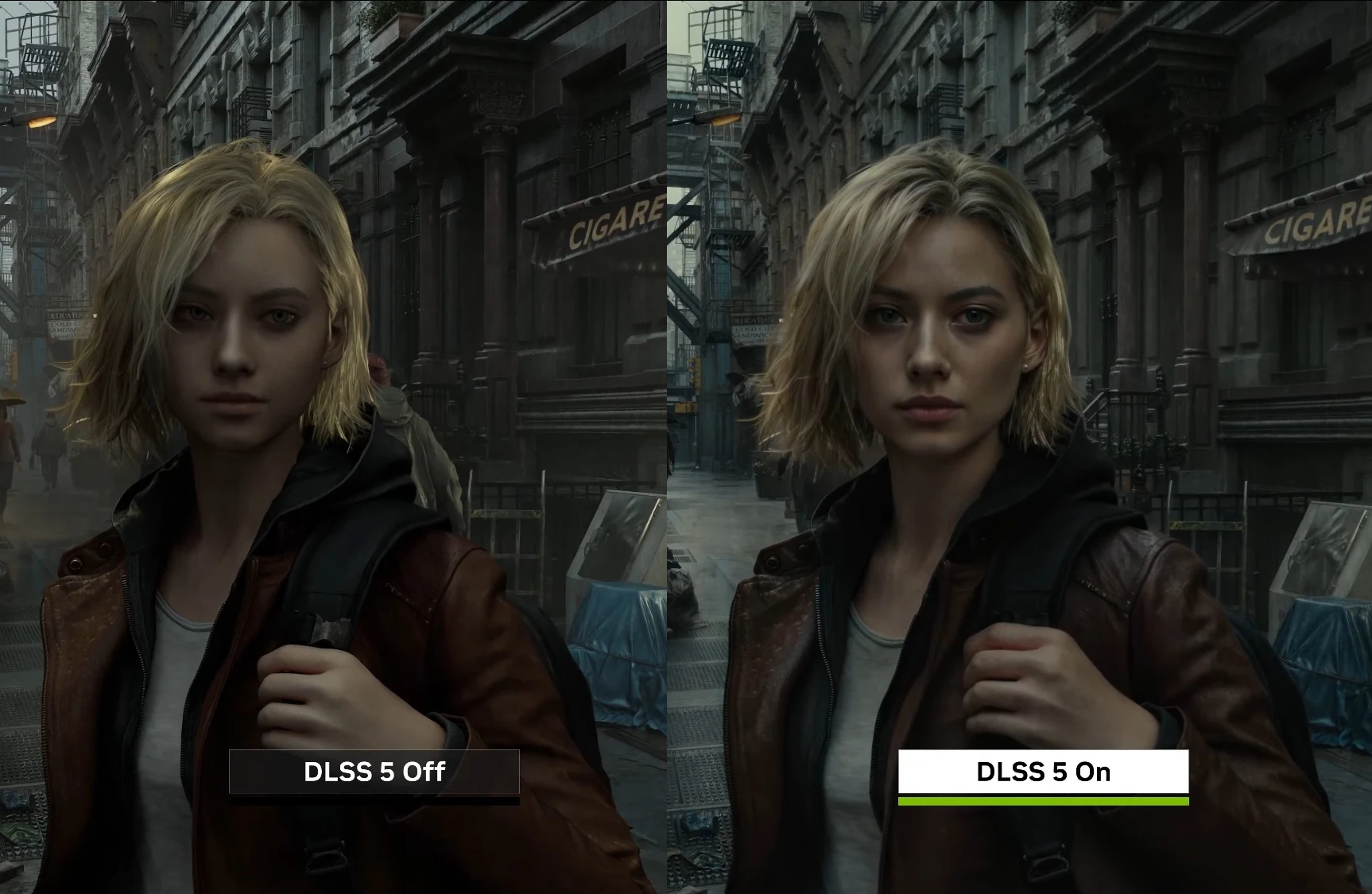
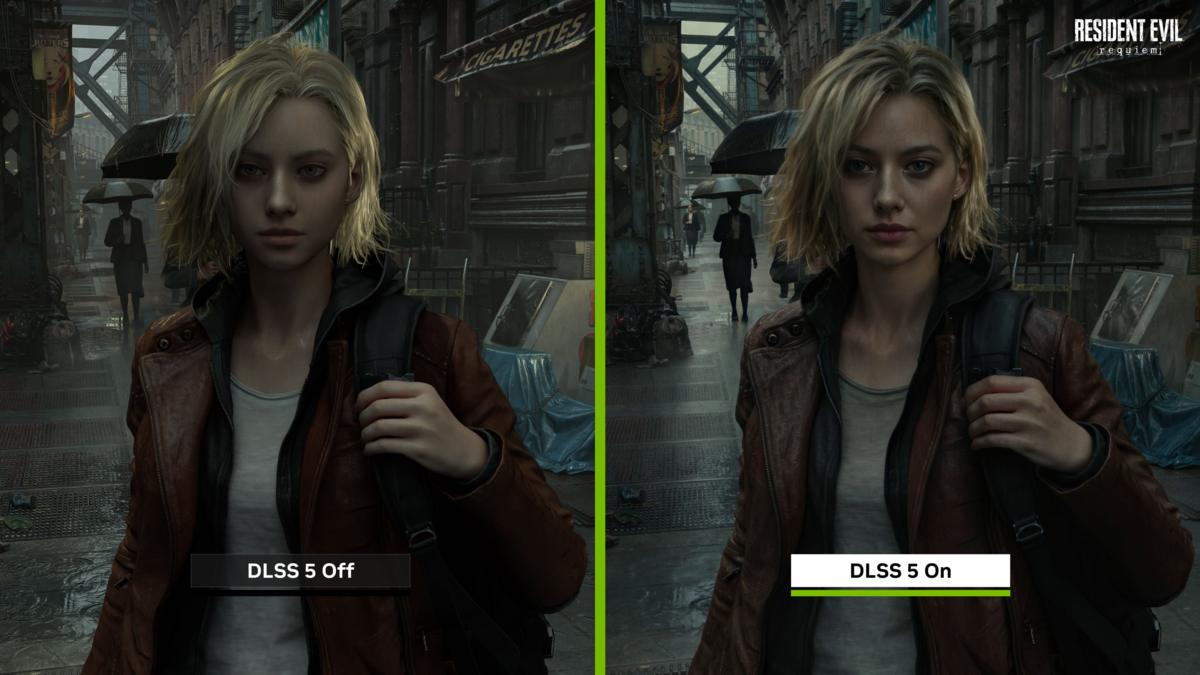
- DLSS 5 uses AI to generate photoreal hair, fabric, skin, and environmental lighting; Nvidia showed dramatic before-and-after transformations of characters in Resident Evil Requiem and Hogwarts Legacy.
- Concept artist Jeff Talbot of Gunfire Games posted that "each DLSS 5 shot looked worse and had less character than the original," while critic Alex Donaldson praised the environments but called the character rendering "uncanny & weird."
- Bethesda, CAPCOM, and Warner Bros. Games are among the major publishers Nvidia said support DLSS 5.
- Charlie Guillemot, joint CEO of Vantage Studios (Assassin's Creed Shadows), defended the tech, saying it lets developers "build the kind of worlds we've always wanted."
- The backlash reflects a wider industry pattern: Running With Scissors pulled a Postal title over AI-generated graphics, and Clair Obscur: Expedition 33 was stripped of an Indie Game of the Year award after AI experimentation.
Why it matters: For Nvidia, DLSS 5 is a high-stakes test of whether its AI-first identity — built on data-center chips — translates back to the gaming community that made it a household name. The split between publisher enthusiasm (Bethesda, CAPCOM, Warner Bros. Games) and artist/critic hostility means the tech arrives with its creative-industry credibility unresolved, and studios face a new flashpoint in the broader AI-in-games fight.
Ask SkimNews