UK Defence Secretary Healey Resigns Over Spending — SkimNews

Get the Geopolitics newsletter
Daily geopolitics — wars, elections, sanctions, the diplomatic moves that move markets. Free.
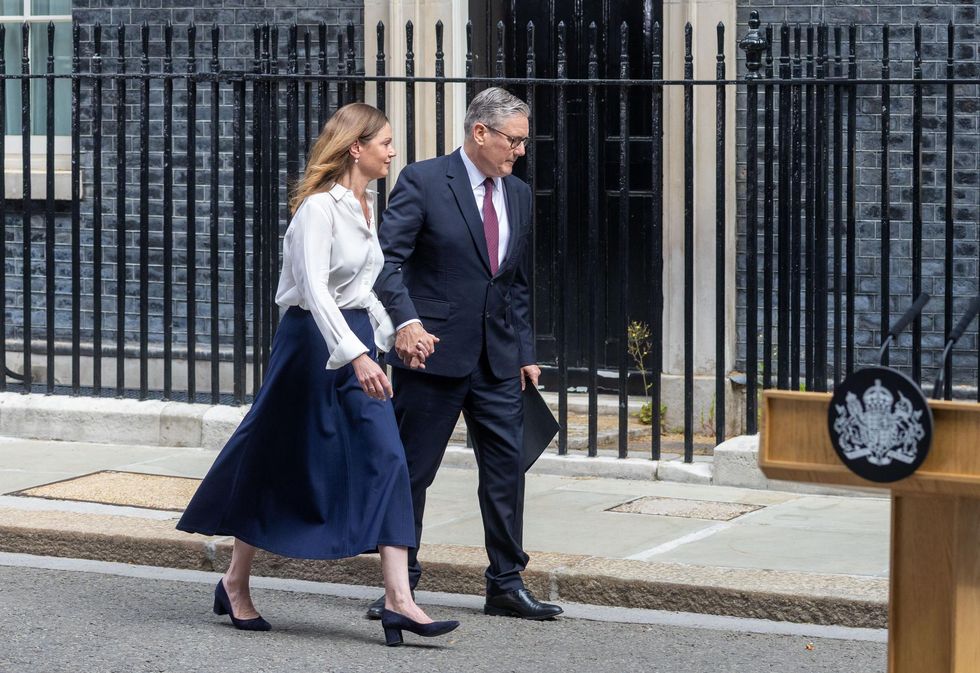
- John Healey resigned as UK Defence Secretary on June 11 after a months-long dispute with Starmer and finance minister Rachel Reeves over military spending, telling Starmer the Treasury was "unwilling" to commit the resources needed to defend the country.
- Keir Starmer appointed security minister Dan Jarvis as Healey's replacement, but junior defence minister Al Carns also quit the same day, calling the spending plans "not built for the threat we face."
- Healey said the Defence Investment Plan he saw would lift defence spending to only 2.68% of GDP by 2030 — well short of the 3% target Starmer pledged and far below Germany's planned 3.7%, with France set at 2.5%.
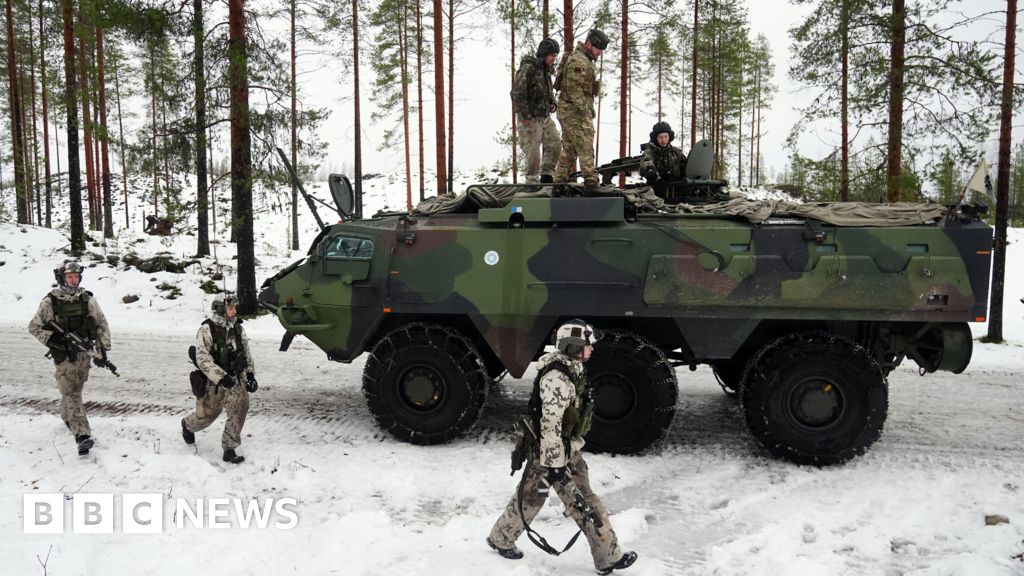
- Britain is now NATO's third-biggest defence spender after being overtaken by Germany in 2024, and in March was unable to deploy an advanced warship to Cyprus after an Iranian-made drone hit a UK air base there.
- Healey's exit intensifies Starmer's leadership crisis — about a quarter of Labour MPs have already called for him to quit after historic local-election losses, and one lawmaker called the resignation a "hammer blow."
- General Richard Barrons, a former Joint Forces Command chief, said ministers "understand the risk" but are "guilty of failing to match those words with money."
Why it matters: Healey's exit lays bare a fiscal trap at the core of UK policy: the government must dramatically lift defence spending while the economy stagnates, debt sits at multi-decade highs, and welfare costs keep climbing. With a NATO summit weeks away, a documented failure to deploy a warship to Cyprus earlier this year, and a Labour leadership challenge already brewing, the political bill lands directly on Starmer.
Ask SkimNews