UK to Publish Defence Plan Before NATO Summit — SkimNews
Get the Geopolitics newsletter
Daily geopolitics — wars, elections, sanctions, the diplomatic moves that move markets. Free.
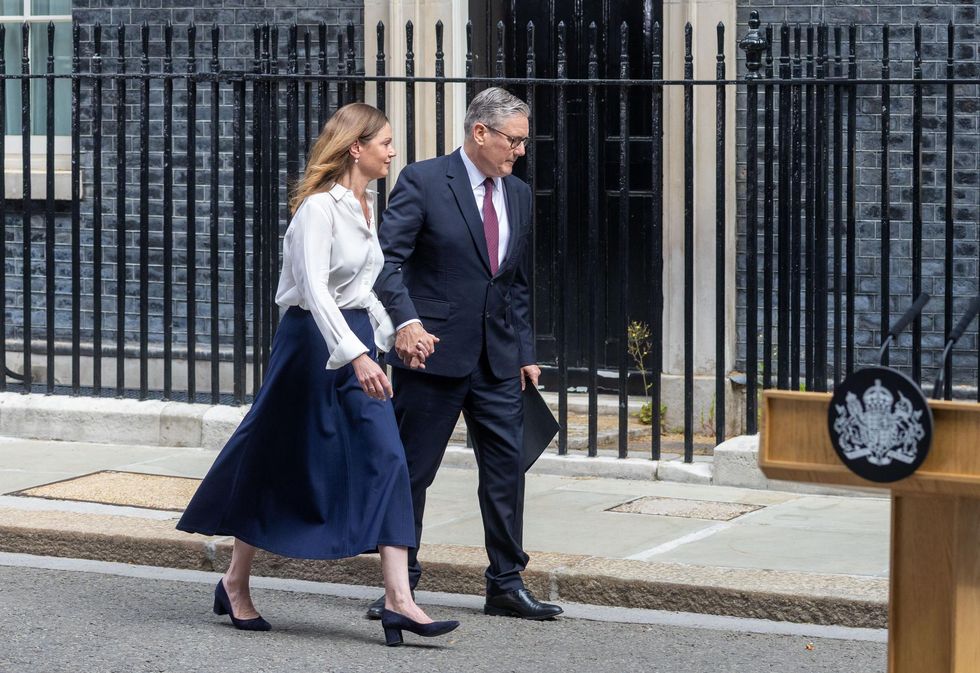
- Downing Street confirmed the long-awaited defence investment plan (DIP) will be published before the 7 July NATO summit in Turkey, despite Starmer's announced resignation as PM and Labour leader, with no new 'major policies' or spending decisions planned during the transition.
- The controversial DIP has already triggered two ministerial resignations: defence secretary John Healey (who said the planned 2.68% of GDP by 2027 fell 'well short' of the 3% he argued was necessary) and armed forces minister Al Carns, who called the plan 'not built for the threat we face.'
- The Ministry of Defence reportedly asked for an extra £28bn between now and the end of the decade but was offered only an additional £10bn, according to reports cited in the article — an £18bn shortfall left unresolved.
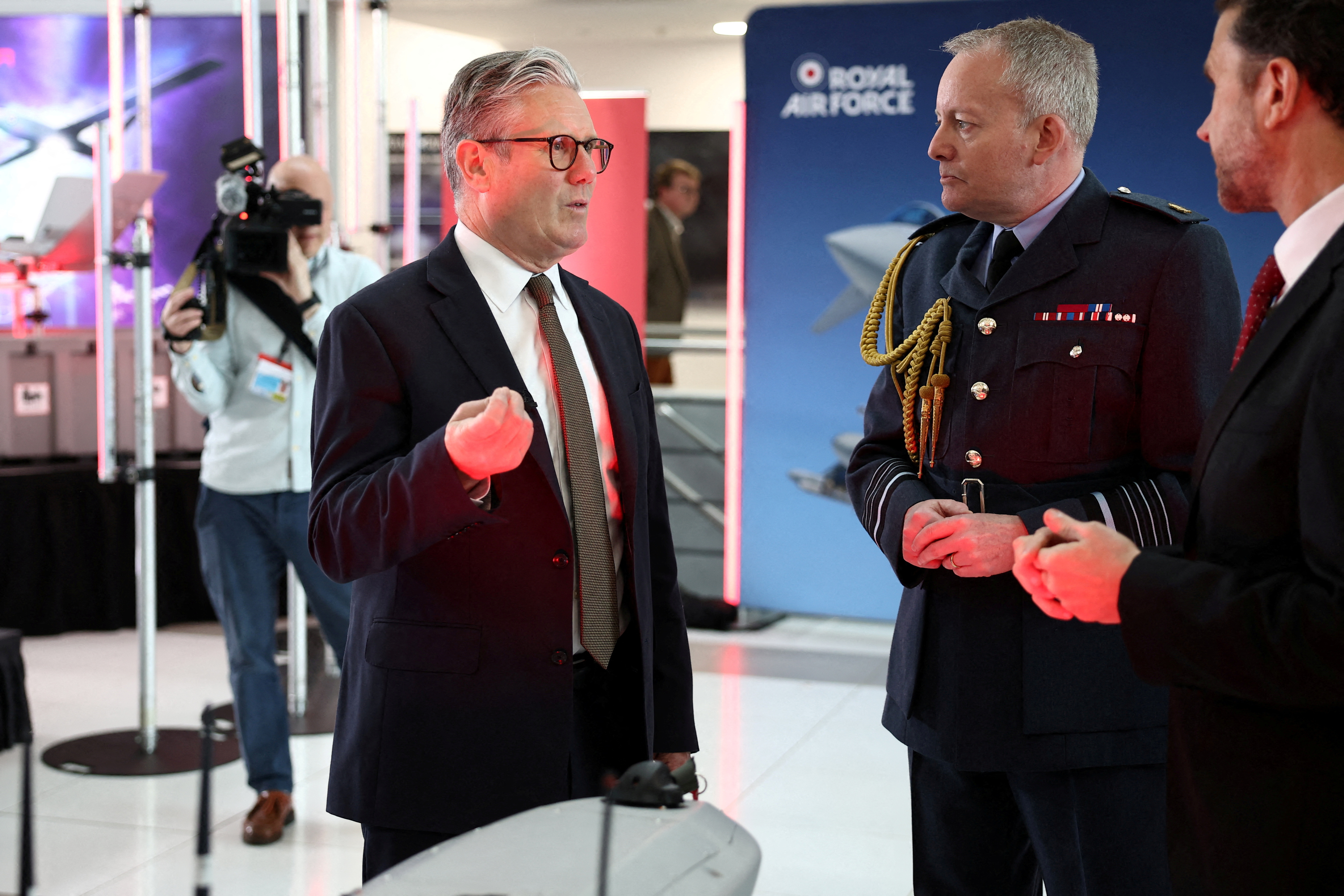
- New Defence Secretary Dan Jarvis said his priority is getting the DIP done 'but not at any cost,' telling the RUSI Land Warfare Conference: 'there will now be a change of prime minister, there will be no change in the urgent need to produce the defence investment plan.'
- Andy Burnham, the only candidate to formally enter the Labour leadership race, is set to receive civil service briefings on taking over as PM and has previously said he would cut the welfare bill to free up more money for defence.
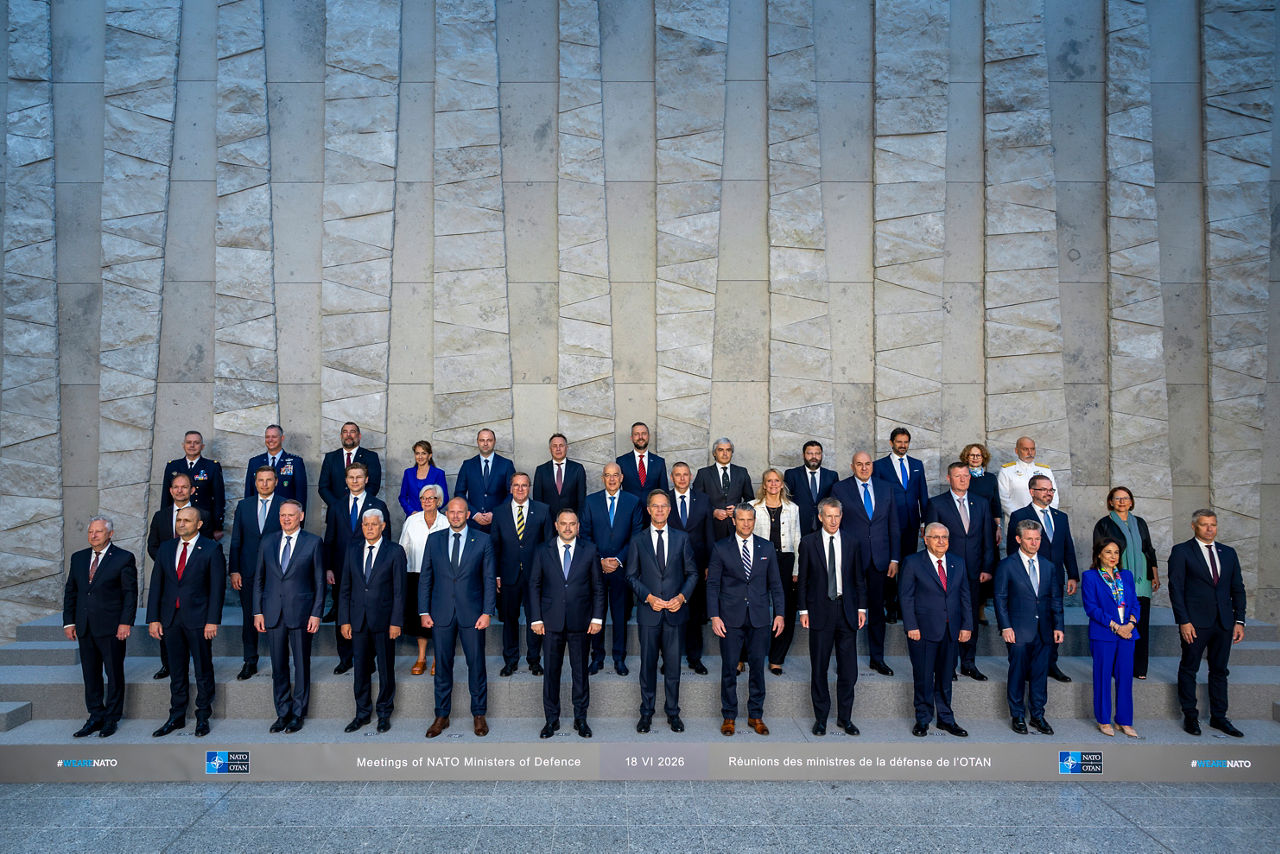
- NATO Secretary-General Mark Rutte expects all alliance members to arrive at the Turkey summit with 'clear, concrete and credible plans' on defence spending increases — a standard MPs have warned repeated UK delays are already undermining.
- Conservative shadow defence secretary James Cartlidge pressed in the Commons: 'Who is in charge of defence in the United Kingdom at a time of war on two fronts?'
Why it matters: The next Labour leader inherits a defence plan two of their own ministers have already quit over, with an £18bn gap between what the MoD asked for (£28bn) and was offered (£10bn), and NATO allies watching to see if the UK meets its 3.5% of GDP by 2035 pledge — Burnham, the frontrunner, has tied that funding explicitly to welfare cuts.
Ask SkimNews