‘Block, blunt, break’: What’s in NATO’s new Russia war plan? — SkimNews

Get the Geopolitics newsletter
Daily geopolitics — wars, elections, sanctions, the diplomatic moves that move markets. Free.
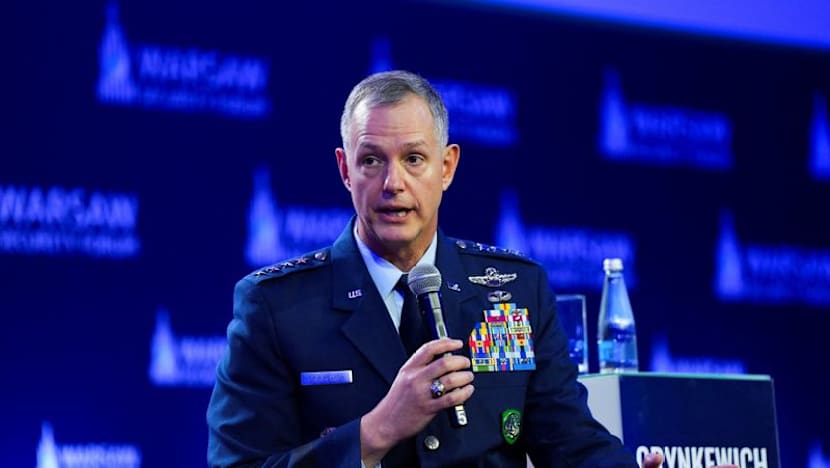
- General Alexus Grynkewich, NATO's Supreme Allied Commander Europe, unveiled the 'block, blunt, break' war plan at the Warsaw Security Forum, designed to halt—not conquer—a Russian invasion using 'affordable mass' weapons like drones and lessons from Ukraine and the Middle East.
- Under the plan, NATO forces would block enemy advances at the border, blunt attacks from air/sea/land, then break supply chains and command networks—'enemy formations will be starved of replenishment,' Grynkewich said, emphasizing the threat is not 'imminent or inevitable.'
- European agencies escalated warnings: Germany's Martin Jaeger cited an attempted drone attack on a Ukrainian cargo plane at Leipzig airport in August; France's Macron ordered critical-infrastructure protection plans; Norway's Beate Gangas called it Europe's most serious security situation since WWII.
- Romania logged 33 Russian drone incursions into its airspace since February 2022—18 in 2025 alone, with F-16s shooting down three; Poland separately accused Russian intelligence of orchestrating an arson attack on a Starlink station in Wola Krobowska.
- Russia issued a nuclear warning to NATO over isolating Kaliningrad, yet Putin told reporters in St Petersburg that Russia is 'not preparing for any kind of hostilities with Europe' and has 'no real motive' to escalate.
- NATO unity is fracturing: Trump invited Putin to December's G20 summit in Miami, announced a deal temporarily easing sanctions on Russian diesel, and claimed an 'energy truce' between Russia and Ukraine—though Zelenskyy said the truce was 'news to me' and Russia struck Ukrainian energy facilities Monday.
Why it matters: The plan's credibility rests on US commitment, yet Trump is simultaneously inviting Putin to December's G20 and easing Russian diesel sanctions. A former Russian deputy FM told the BBC Kremlin military advisers believe 'Trump will not allow NATO to answer' a Russian strike on the UK—revealing a deterrence gap between NATO's doctrine and its US leader's posture toward Moscow.
Ask SkimNews