Atacama salt flat holds quarter of world's lithium in brine — SkimNews

Get the Energy newsletter
Daily energy & climate — solar, EVs, oil, the policy fights and tech bets shaping the transition. Free.
- Salar de Atacama holds nearly one-quarter of the world's lithium reserves in brine suspended in water saltier than the ocean, with the Atacama sitting 7,500 feet above sea level between the Andes and the Domeyko mountains.
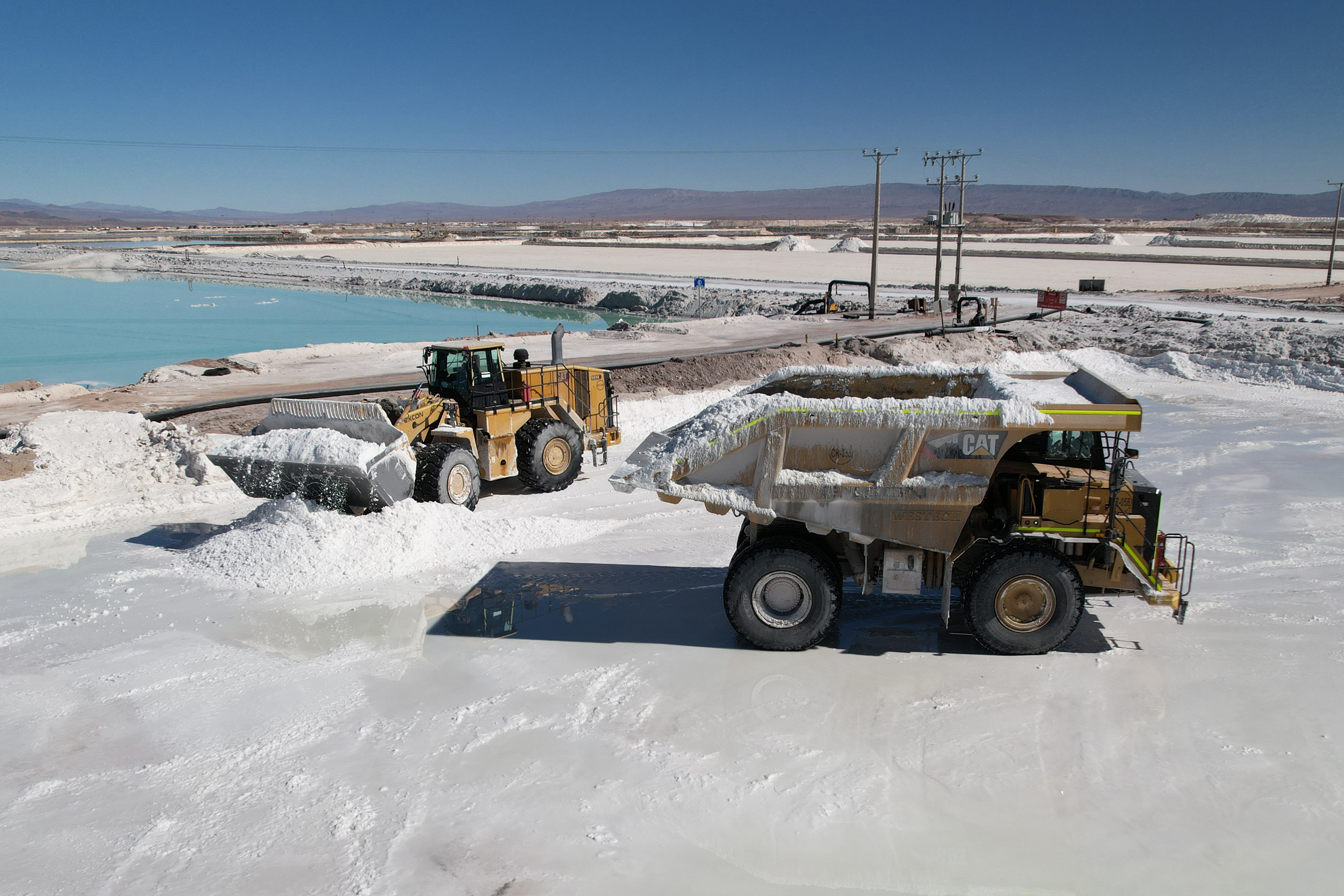
- Mining companies pump that underground brine to surface evaporation ponds, where natural evaporation increases lithium concentration 40-fold — from roughly 0.15% to 6% — over a single cycle lasting 10 to 24 months.
- The Atacama basin's combination of arid climate, volcanic rock, hydrothermal circulation and an endorheic (closed) water system makes it one of the least expensive places on Earth to extract lithium.
- All three endemic flamingo species on the salt flats are in decline, with warmer temperatures evaporating the blue-green algae they depend on and mining noise and traffic disrupting their breeding.
- The plateau's polyextreme food web — brine shrimp (Artemia) feeding on phytoplankton that feed Chilean flamingos, which link the saline lagoons through synchronized courtship — depends on the very water system lithium pumping draws from.
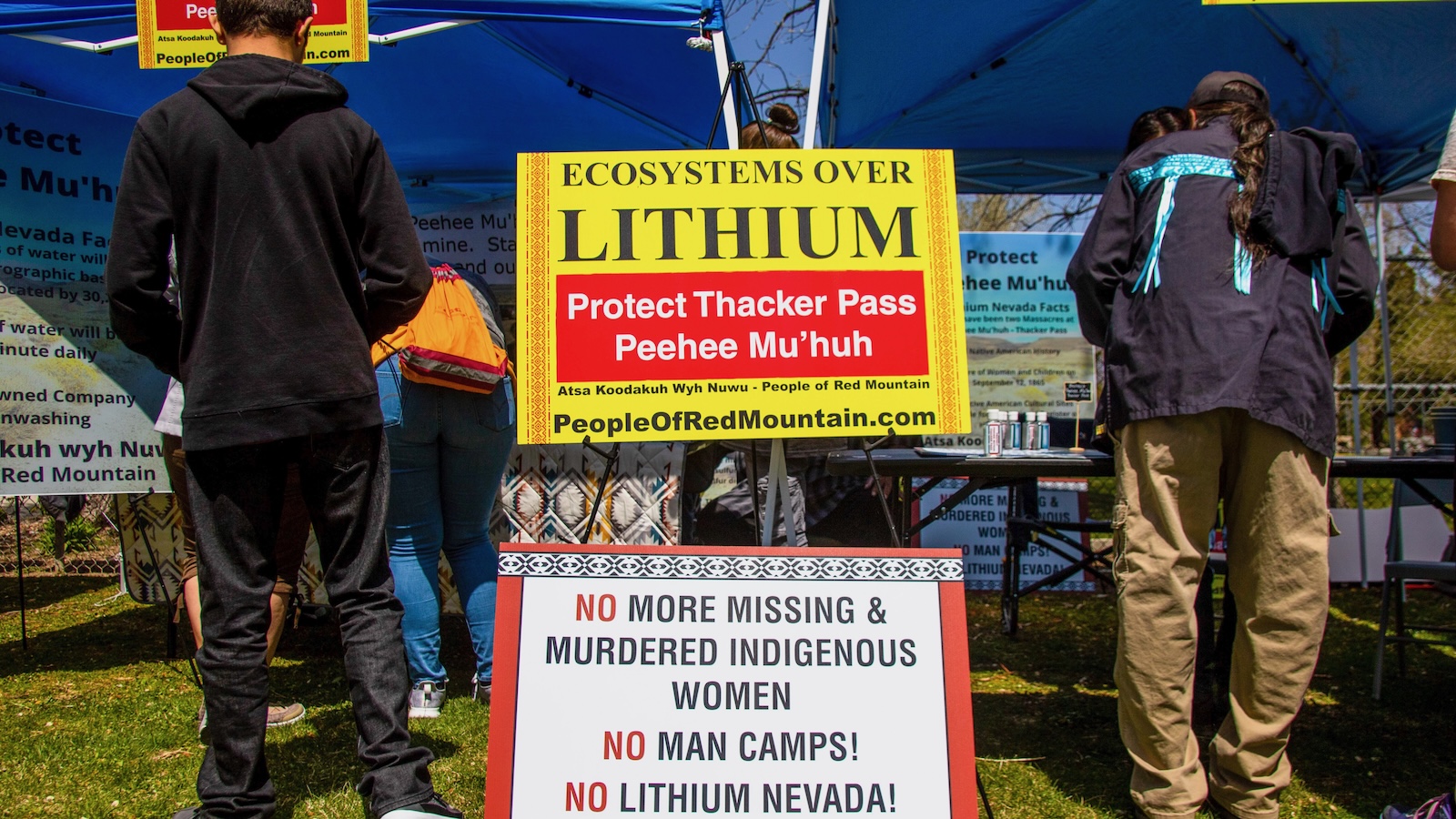
- Author Thea Riofrancos frames the Atacama as a microcosm of how supply chains for carbon-free transportation and energy collide with local environmental protection, postcolonial erasure of Indigenous settlement, and fragile desert hydrology.
Why it matters: Lithium is a key ingredient in the rechargeable batteries needed to decarbonize transportation and energy — the two highest-emitting sectors — but the cheapest deposits sit in fragile, endorheic basins where extraction has already begun reducing flamingo populations. Without policies that shrink demand (compact batteries, recycling, alternatives to car use) and reorient supply chains around justice rather than profit, decarbonization will deepen the planetary pattern of extractive sacrifice zones the Atacama embodies.
Ask SkimNews