Chile's Salt Flat Holds Quarter of World's Lithium — SkimNews
Get the Energy newsletter
Daily energy & climate — solar, EVs, oil, the policy fights and tech bets shaping the transition. Free.
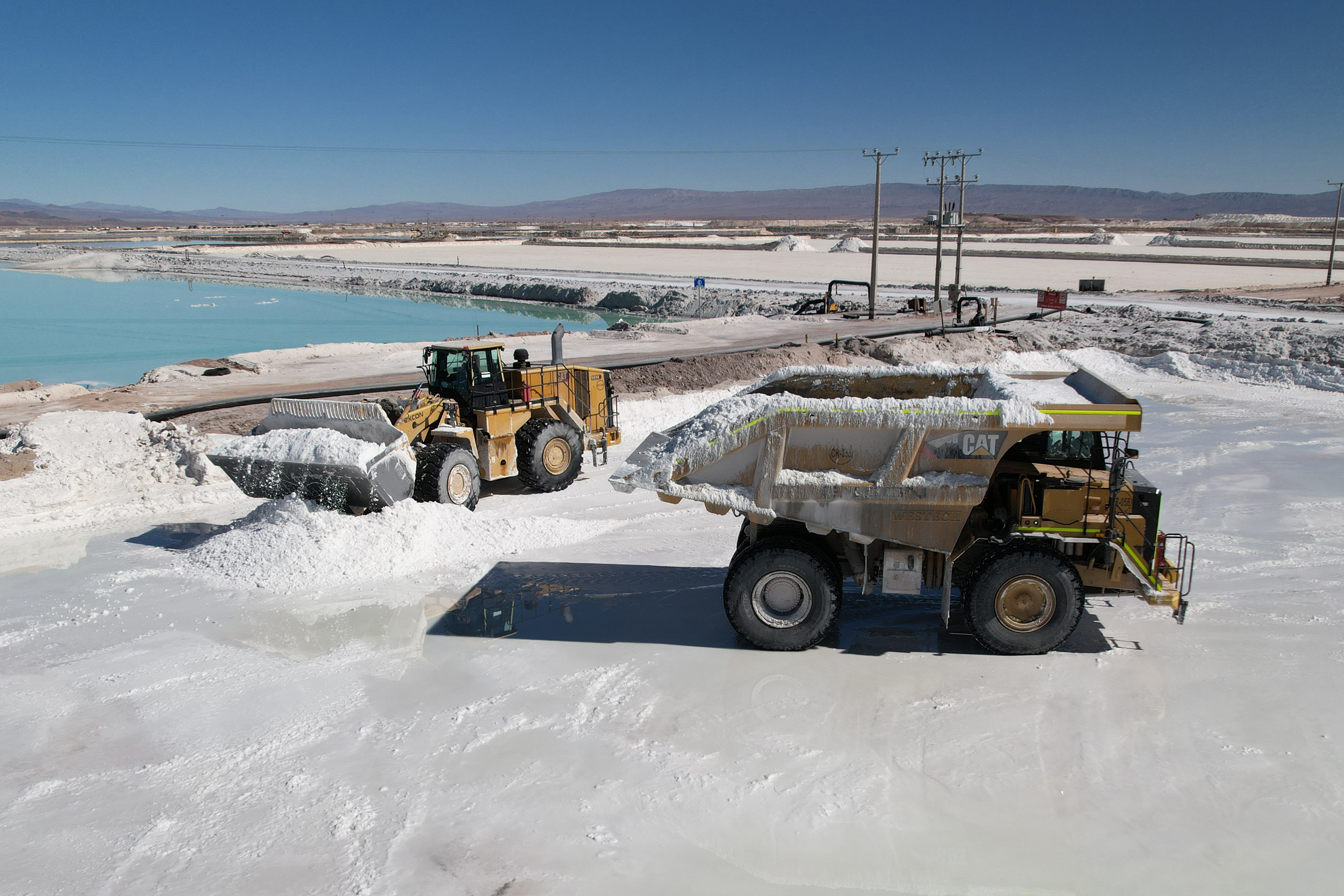
- Salar de Atacama holds nearly one-quarter of the world's lithium reserves, suspended in brine beneath its crust at 7,500 feet elevation in northern Chile, making it one of the least expensive places on Earth to mine lithium
- Lithium extraction pumps underground brine to surface evaporation ponds, concentrating lithium 40-fold from roughly 0.15% to 6%, with each cycle taking 10 to 24 months depending on brine quality and weather
- All three endemic flamingo species in the Atacama are in decline, with mining noise and traffic disrupting their breeding and climate-driven evaporation shrinking the blue-green algae they depend on
- The Atacama's brine is enriched through a rare convergence of high evaporation rates, volcanic geology, and hydrothermal circulation that leaches lithium from subsurface rock into endorheic basins where water cannot escape
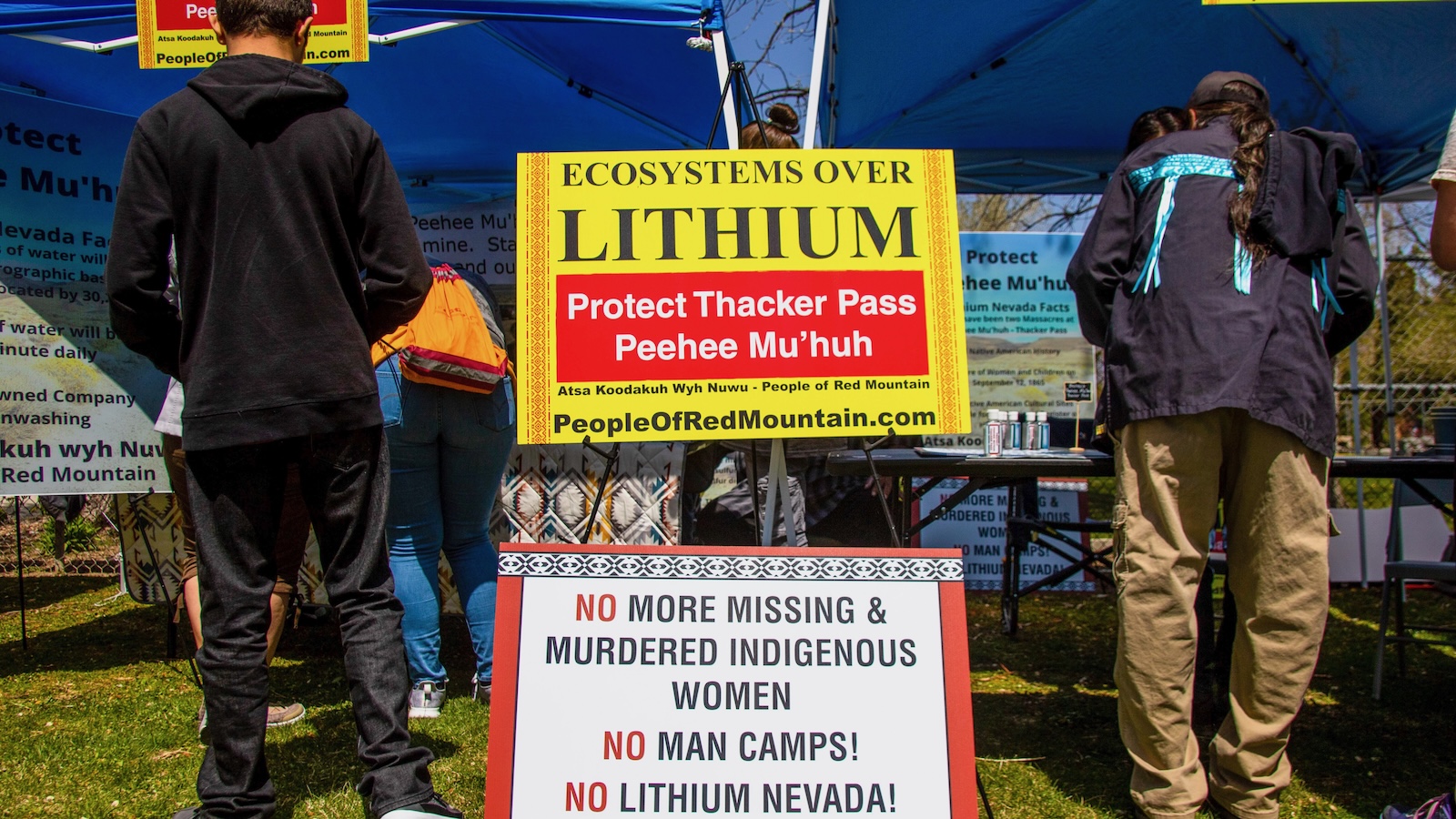
- The piece frames the Atacama as a microcosm of green capitalism, arguing that every mine dug for the energy transition puts webs of economic supply chains in conflict with local webs of life
- The extract is from Thea Riofrancos' book Extraction: The Frontiers of Green Capitalism, published by Icon Books
Why it matters: The article makes a concrete, source-attested case that the green transition is not cost-free at the extraction site: all three Atacama flamingo species are already in decline from mining and climate change combined, and the brine pumped from one of Earth's driest deserts sustains ecosystems that cannot be relocated. Riofrancos argues that decarbonization policy must work backward from supply chains — favoring compact batteries, recycling, and reduced car dependence — or the energy transition will replicate colonial extraction patterns.
Ask SkimNews