Russia Blamed for Sabotage Wave at European Defence Sites — SkimNews

Get the Geopolitics newsletter
Daily geopolitics — wars, elections, sanctions, the diplomatic moves that move markets. Free.
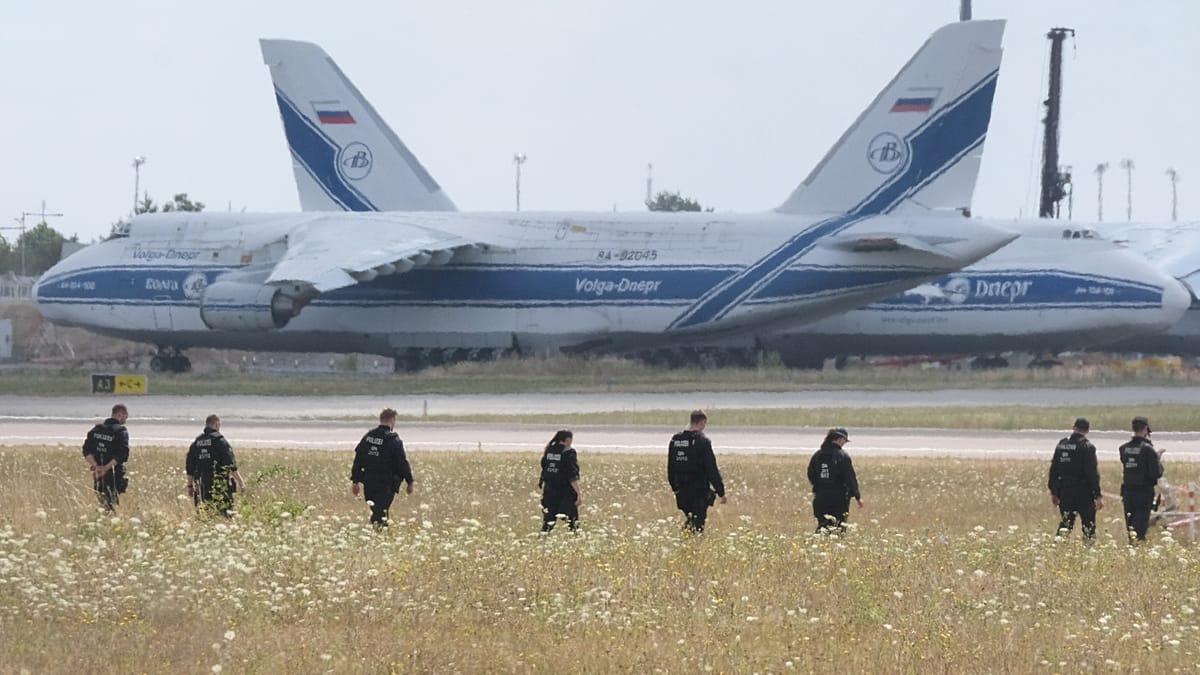
- Germany's interior minister declared Russia responsible for drones packed with explosives discovered at Leipzig airport, used by Ukraine to transport military goods; the devices appeared to malfunction.
- August sabotage incidents hit defence facilities across multiple countries: Bulgaria's EMCO warehouse in Tryavna (10 Aug), Italy's KNDS Ammo Italy near Rome (13 Aug), Estonia's Milrem Robotics factory in Tallinn (15 Aug), a foiled arson at a Ukrainian-owned drone maker in Slovakia (25 Aug), and fires at Poland's WB Group drone producer and a Lublin helicopter-parts firm (30 Aug).
- Poland's interior minister Marcin Kierwiński warned Russia is "changing its strategy and intensifying its activities, including terrorist and sabotage activities," urging vigilance; PM Donald Tusk called the WB Group attack a "continuation of Russia's escalatory activities."
- German federal police have logged more than 165 suspected sabotage cases nationwide this year, per German media reports, though they do not attribute responsibility in the list.
- Most attacks have been carried out by recruited "gig economy saboteurs" — Russian-speaking proxies from former Soviet states paid in cash — but evidence from Leipzig suggests Russia may have deployed its own operatives seeking precision.
- Analysts Daniela Richterova (King's College) and Keir Giles (Chatham House) link the spike to Ukraine striking deep inside Russian territory, characterising the campaign as "coercive signalling" to pressure allies and as probing NATO for weaknesses ahead of a potential "next phase."
- The IISS noted a previous sabotage surge in 2024 — including a parcel bomb plot targeting DHL cargo planes in the UK and Poland — which it called a high point of Russia's "willingness to inflict mass casualties," prompting the White House to contact the Kremlin directly.
Why it matters: The August concentration of attacks on defence supply chains in countries backing Kyiv — including Slovakia, which the source calls "Russia's close ally in Europe" — shows Moscow raising the cost of military aid while probing how NATO responds to deniable low-level aggression. With analysts warning the grey zone between peace and conflict is shrinking, the unanswered question is how many small attacks accumulate into a threshold NATO must act on.
Ask SkimNews