China cuts U.S. farm tariffs but spares soybeans — SkimNews

Get the Geopolitics newsletter
Daily geopolitics — wars, elections, sanctions, the diplomatic moves that move markets. Free.
- China's Commerce Ministry issued a tariff-reduction list on September 28, 2026, covering corn, wheat, meat, dairy, sorghum, vegetable oils, and meals including soyoil and soymeal.
- U.S. soybeans were left off the list and still face an additional 10% tariff, which traders warn is too high for private crushers to absorb, leaving Chinese state buyers as the primary purchasers.
- Both sides agreed to form a trade council whose first task is discussing reciprocal tariff cuts on $30 billion worth of products to stabilize economic ties.
- Sinograin and COFCO have together bought more than 12 million metric tons of U.S. soybeans — nearly half of the 25 million metric tons annually the White House says Beijing committed to purchase through 2028.
- The White House announced in May that Beijing would buy 25 million metric tons of U.S. soybeans annually through 2028, but China has yet to confirm any purchase target.
- Trade in the agricultural products on Monday's tariff list totaled roughly $17 billion in 2024, matching China's reported purchase commitment once soybeans are excluded.
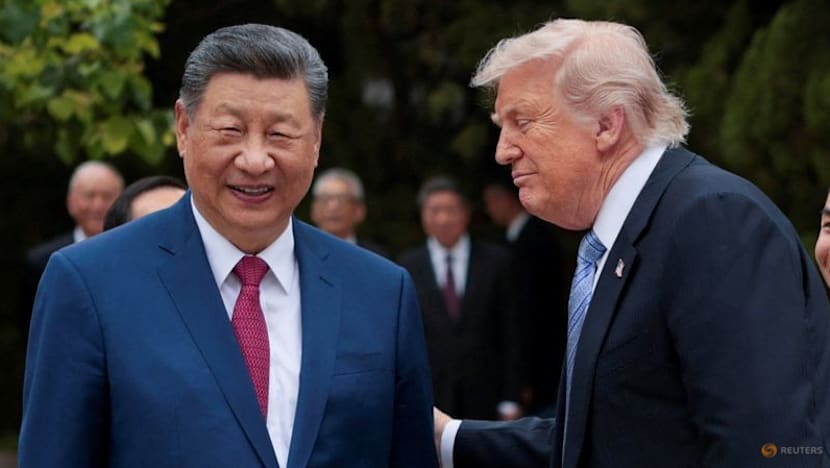
- The tariff move follows last week's Washington summit between Xi Jinping and Donald Trump, where markets had been awaiting signals on farm-trade concessions.
Why it matters: The soybean carve-out keeps China's top U.S. farm import behind a 10% wall that only state-owned firms like Sinograin and COFCO can absorb, meaning U.S. soybean farmers remain dependent on government-to-government deals rather than open market demand. With state purchases at roughly half the 25-million-ton annual commitment and the new trade council's $30 billion reciprocal-taliff agenda just kicking off, the gap between White House promises and on-the-ground buying remains the real story for American growers.
Ask SkimNews