Scientist dubbed The Bogfather is restoring peatland to fight climate change — SkimNews
Get the Energy newsletter
Daily energy & climate — solar, EVs, oil, the policy fights and tech bets shaping the transition. Free.
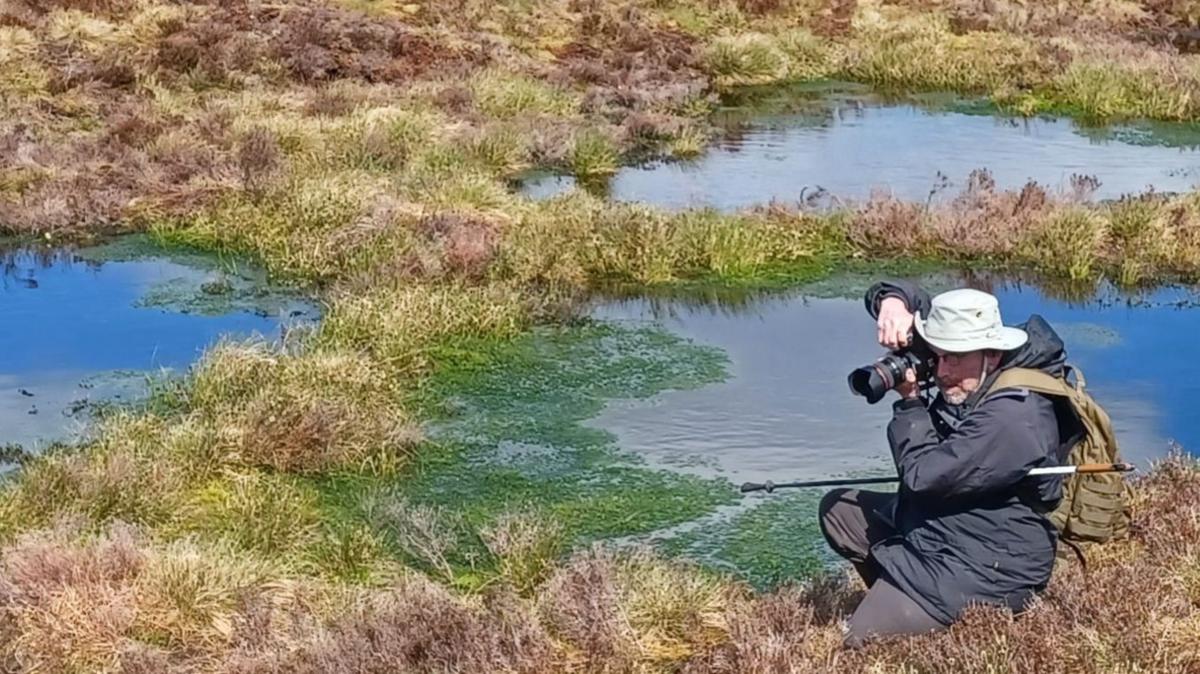
- Dr. Peter Jones, nicknamed "The Bogfather" by younger colleagues, has spent 30 years championing peatland restoration in Wales as a single nature-based solution that addresses climate change, flooding, wildfires and biodiversity loss at the same time.
- Wales's peatlands store 30% of the country's land-based carbon despite covering just 4% of its surface, yet roughly 90% are degraded and actively leak greenhouse gases instead of storing them.
- Sphagnum moss, which can retain 20 times its own weight in water, is central to rebuilding peat at about 1mm per year — meaning a single metre of peat can take up to 1,000 years to form naturally.
- Wales has committed to restoring around 1,800 hectares of peatland per year by the end of 2030-31, scaling methods like drain-blocking and bog revegetation across more than 100 restoration techniques.
- Jones received an MBE in 2024 for services to Welsh peatlands and the community in Wales; his passion for bogs was ignited at age eight during a visit to the Cors Caron national nature reserve near Tregaron.
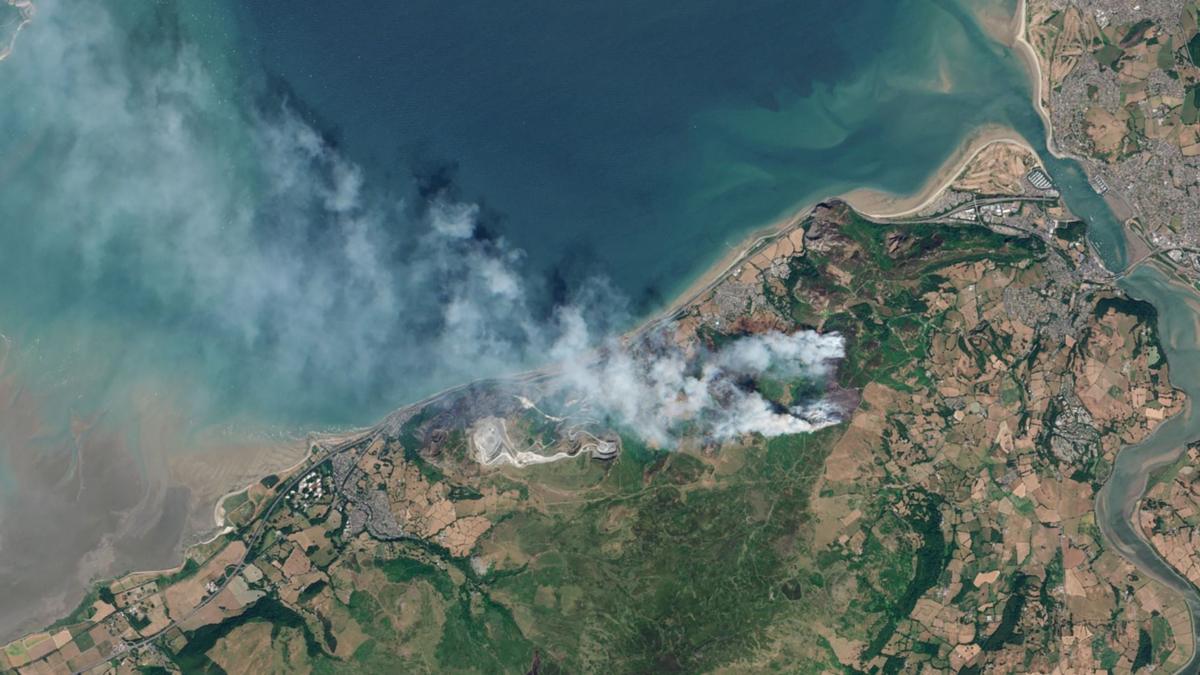
- Healthy peatlands function as natural flood inhibitors by slowing water flow and serve as firebreaks during wildfires — both threats expected to intensify as the climate warms.
Why it matters: Wales is betting that restoring one landscape type — peatland — can simultaneously cut carbon emissions, slow flooding and shelter biodiversity. With 90% of its peatlands still degraded and leaking greenhouse gases, the 1,800-hectare annual restoration pledge by 2030-31 is the concrete test of whether nature-based climate fixes can scale at a pace that materially affects emissions.
Ask SkimNews