India-China Reset Fades Between Summits — SkimNews

Get the Geopolitics newsletter
Daily geopolitics — wars, elections, sanctions, the diplomatic moves that move markets. Free.
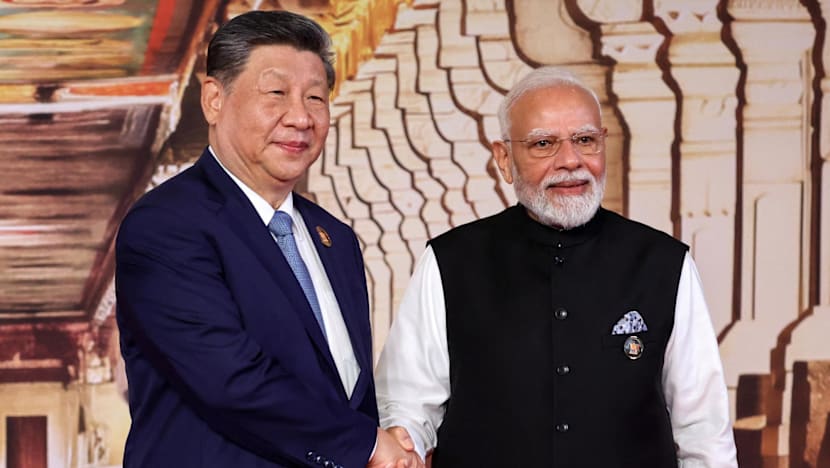
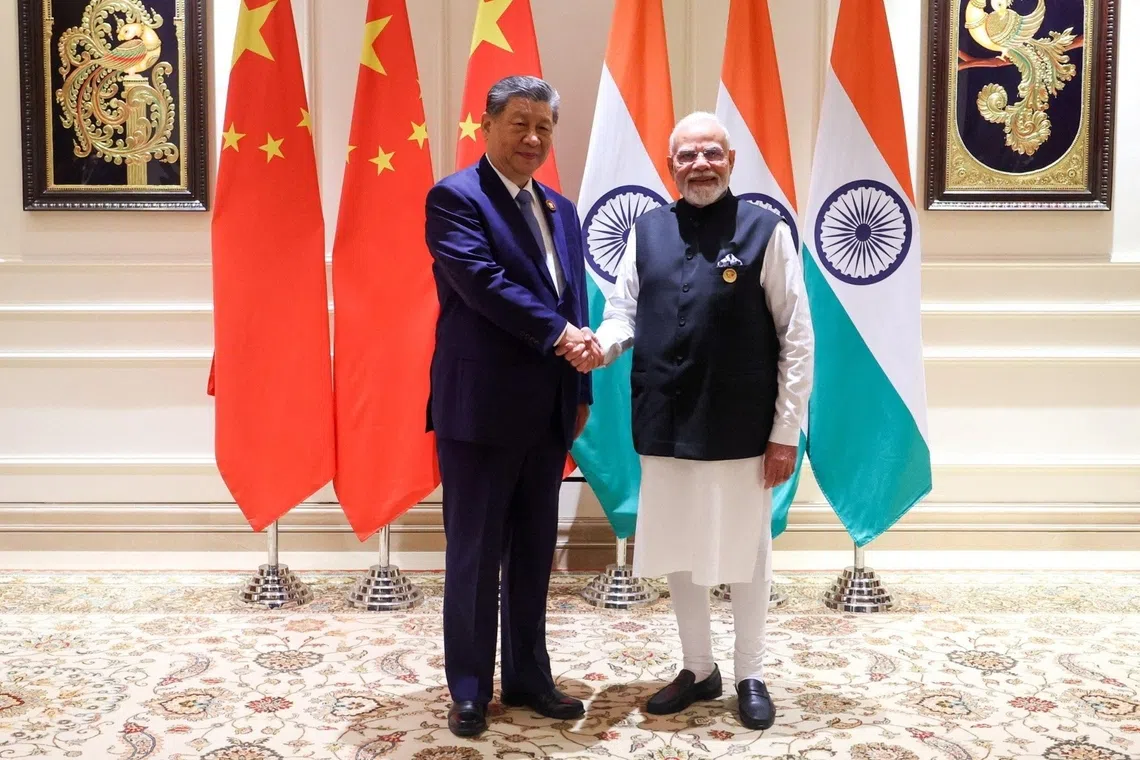
- Xi Jinping met Narendra Modi on September 12 in New Delhi on the sidelines of the 18th BRICS Summit — Xi's first India visit in nearly seven years and their third meeting in under two years
- India and China have advanced bilateral ties over the past two years through boundary delimitation talks, resumed direct flights, India's easing of restrictions on select Chinese equipment imports, and Beijing's agreement to ease fertilizer and rare earth mineral exports to India
- Border breakthroughs have consistently landed just before multilateral summits: the September 8, 2022 Gogra-Hot Springs disengagement came a week before SCO Samarkand; the October 21, 2024 Depsang-Demchok patrolling agreement came two days before BRICS Kazan; and the Doval–Wang Yi 25th round Special Representatives talks preceded the 2026 SCO summit in Bishkek, producing an eight-point outcome with two new border hotlines and army-commander meeting points
- Al Jazeera reports China has repeatedly denied the Indian army access to key patrolling points and encroached in Arunachal Pradesh, even as both sides maintain heavy troop deployments and accelerate infrastructure construction along and near disputed sites
- Despite the "development partners, not rivals" framing out of Tianjin, New Delhi rejected Alipay+ over national security concerns, while Reuters reports proposed Chinese investments in India face fresh scrutiny from Beijing itself in sophisticated manufacturing and high-end technology, alongside tightened business visa approvals for Indian companies
- Indian analyst Jabin T. Jacob labels the pattern a "marking-time reset" — a pragmatic, temporary freeze in hostilities that fails to address fundamental structural tensions, with summit optics exploited as a bargaining chip for short-term concessions
Why it matters: India's strained ties with the US under Trump's tariffs may be accelerating the current thaw, but as former Foreign Secretary Nirupama Menon Rao argues, the two sides must shift from the "optics of success" at side-meetings toward a "steady and sustained process of stabilization" on the military and economic fronts. Until that happens, the recurring cycle — border concessions before summits, regression after — will continue, meaning any declared reset is closer to performance than substance.
Ask SkimNews