Xi-Modi Summitry Can't Reset India-China Relations — SkimNews

Get the Geopolitics newsletter
Daily geopolitics — wars, elections, sanctions, the diplomatic moves that move markets. Free.
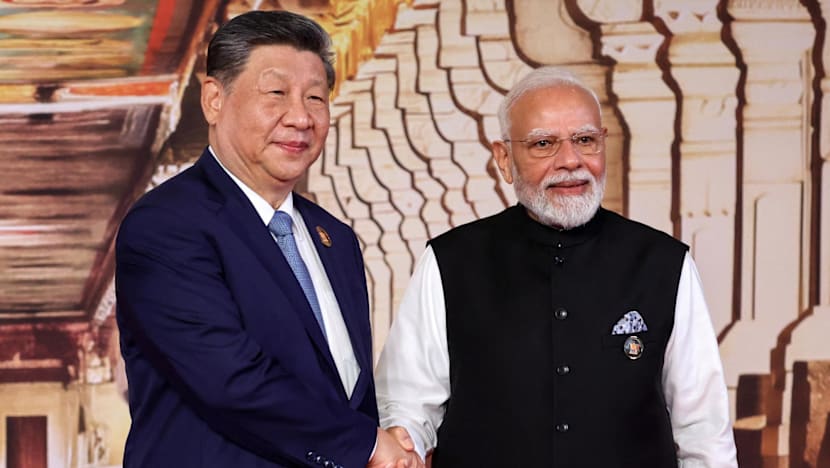
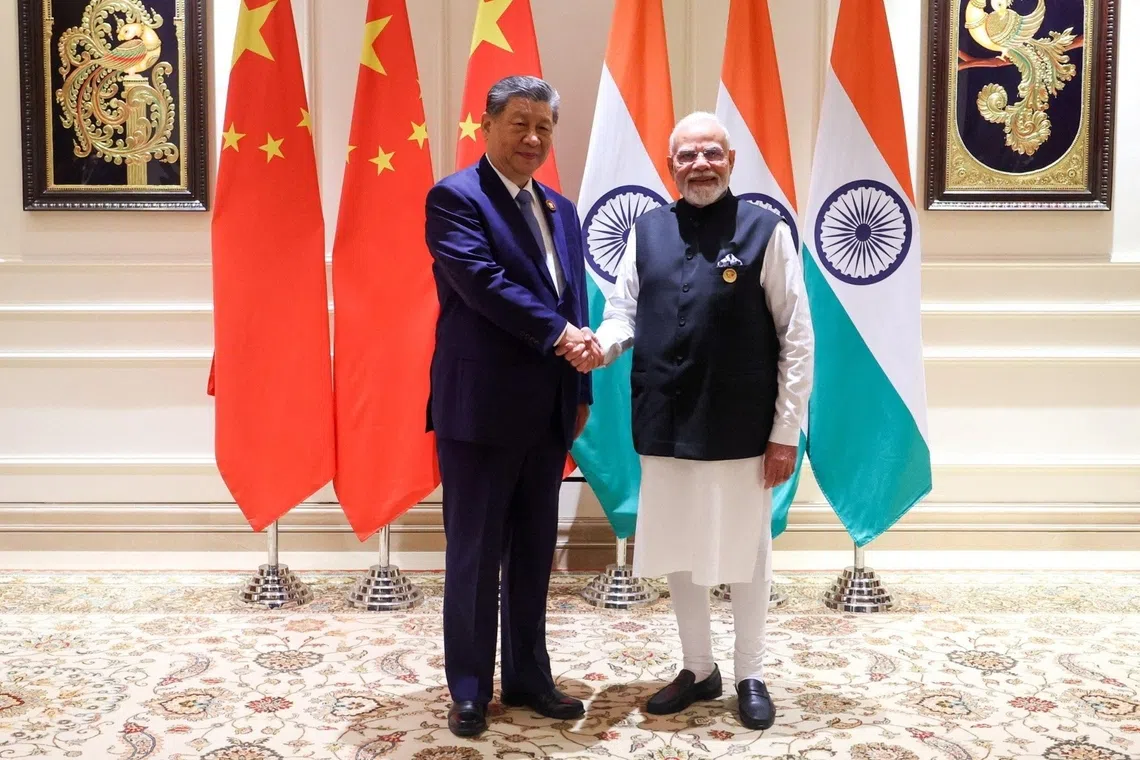
- Xi Jinping met PM Modi in New Delhi on September 12 on the sidelines of the 18th BRICS Summit — Xi's first India visit in nearly seven years and his third meeting with Modi in under two years, all at multilateral gatherings.
- India and China have advanced boundary delimitation talks, resumed direct flights, eased select Chinese equipment import restrictions, and Beijing agreed to ease fertilizer and rare earth mineral supply restrictions.
- Border breakthroughs consistently precede multilateral summits: the September 2022 Gogra-Hot Springs disengagement came a week before the SCO Samarkand summit; the October 2024 Depsang and Demchok patrolling pact came two days before the BRICS Kazan summit; and NSA Ajit Doval and Foreign Minister Wang Yi met in Beijing days before the 2026 SCO Bishkek summit, releasing an eight-point outcome and announcing two new border hotlines and two new army-commander meeting points.
- Despite repeated de-escalation commitments, heavy Indian and Chinese troop deployment continues along the Line of Actual Control, both sides are accelerating infrastructure near disputed sites, and, per Al Jazeera, China has repeatedly denied Indian army access to key patrolling points and encroached in Arunachal Pradesh.
- At Tianjin, Modi and Xi declared India and China "development partners, not rivals," yet New Delhi rejected Alipay+ for cross-border transactions on national security grounds and, per Reuters, Chinese investments in India now face increased scrutiny from Beijing itself in high-end manufacturing and technology sectors.
- Analyst Jabin T. Jacob calls the pre-summit diplomatic thaws a "marking-time reset" — a pragmatic temporary freeze that fails to address fundamental structural tensions.
- Donald Trump's tariffs and strained US-India ties can accelerate the thaw, but former Foreign Secretary Nirupama Menon Rao argued both sides need a "steady and sustained process of stabilization" rather than relying on multilateral summit optics.
Why it matters: The source documents a repeating pattern in which India-China border deals land suspiciously close to BRICS and SCO meeting dates, while troop deployments, disputed-site infrastructure, and new investment barriers from both capitals continue. Both governments exploit summit attendance as a bargaining chip for short-term concessions, so readouts claiming a reset risk overstating a process that has yet to produce sustained military or economic stabilization along the LAC.
Ask SkimNews