China Blocks US Sanctions on Five Oil Refineries — SkimNews

Get the Geopolitics newsletter
Daily geopolitics — wars, elections, sanctions, the diplomatic moves that move markets. Free.
- China's Ministry of Commerce invoked its 'Rules on Counteracting Unjustified Extraterritorial Application of Foreign Legislation and Other Measures' on May 2, declaring that US sanctions, asset freezes, and transaction bans on five Chinese teapot refineries 'shall not be recognized, enforced or complied with' in mainland China.
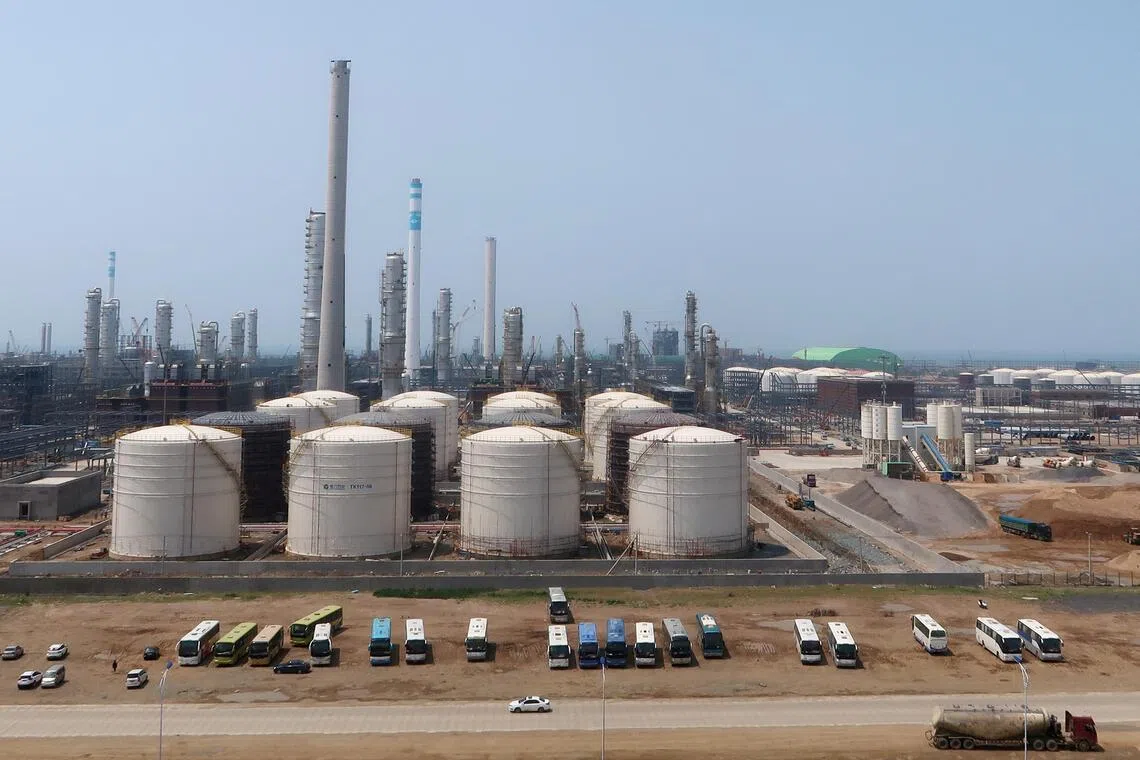
- The five sanctioned refineries are Shandong Shouguang Luqing (March 20, 2025), Shandong Shengxing Chemical (April 16, 2025), Hebei Xinhai Chemical (May 8, 2025), Shandong Jincheng Petrochemical (October 9, 2025), and Hengli Petrochemical (Dalian) — the last added April 24, 2026 and described by OFAC as 'one of Tehran's most valued customers.'
- OFAC said the designated refineries have 'collectively processed billions of dollars' worth of Iranian-origin oil' since March 2025, and Treasury Secretary Scott Bessent disclosed on April 15 that warning letters were sent to two Chinese banks about secondary sanctions risk.
- The Blocking Rules, adopted in January 2021 during Trump's first term, include an exemption mechanism requiring companies to apply to the Commerce Ministry within 30 days — a structure observers said could let large globally exposed banks comply with US sanctions while smaller local banks continue settling Iranian oil.
- Cui Fan of the University of International Business and Economics noted the US SDN list now includes roughly 18,900 entities, with more than 1,100 linked to mainland China and over 400 to Hong Kong, and warned that continued sanctions would 'disrupt the stability of China's energy supply chain.'
- Liu Chunsheng of Central University of Finance and Economics told Hong Kong China News Agency the move signals China setting 'an important example' for developing economies to counter 'economic and trade bullying.'
- Bank of Kunlun, blacklisted by OFAC in July 2012 for settling Iranian oil trade, continues processing such transactions through China's CIPS system using a barter-like clearing mechanism, according to Chinese media — a precedent that suggests smaller Chinese banks may absorb the new compliance burden while large banks comply with US measures.
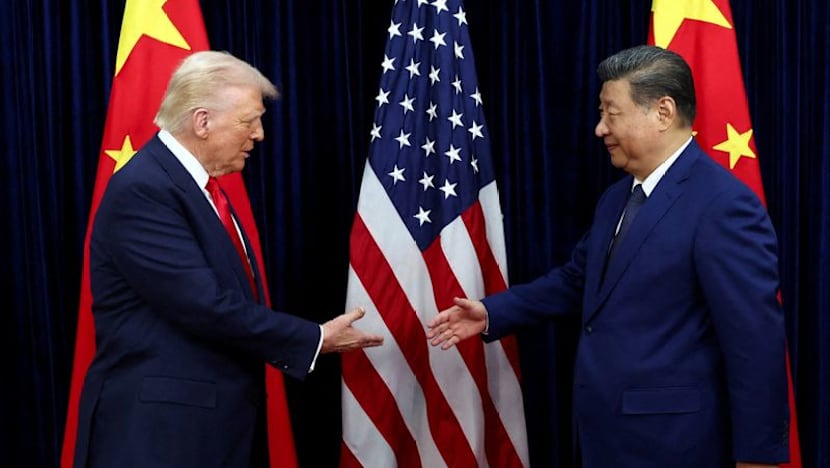
Why it matters: The first-ever use of China's Blocking Rules transforms a dormant legal instrument into an active countermeasure, creating a structural split: large Chinese banks with US exposure will likely apply for exemptions to comply with OFAC, while smaller local banks absorb the Iran trade and face secondary sanctions risk. The move comes roughly two weeks before Trump's planned May 13-14 meeting with Xi, giving Beijing leverage but raising the diplomatic cost of any deal on Iran enforcement.
Ask SkimNews