U.S. EV sales drop 27% after tax credit ends — SkimNews
Get the Energy newsletter
Daily energy & climate — solar, EVs, oil, the policy fights and tech bets shaping the transition. Free.
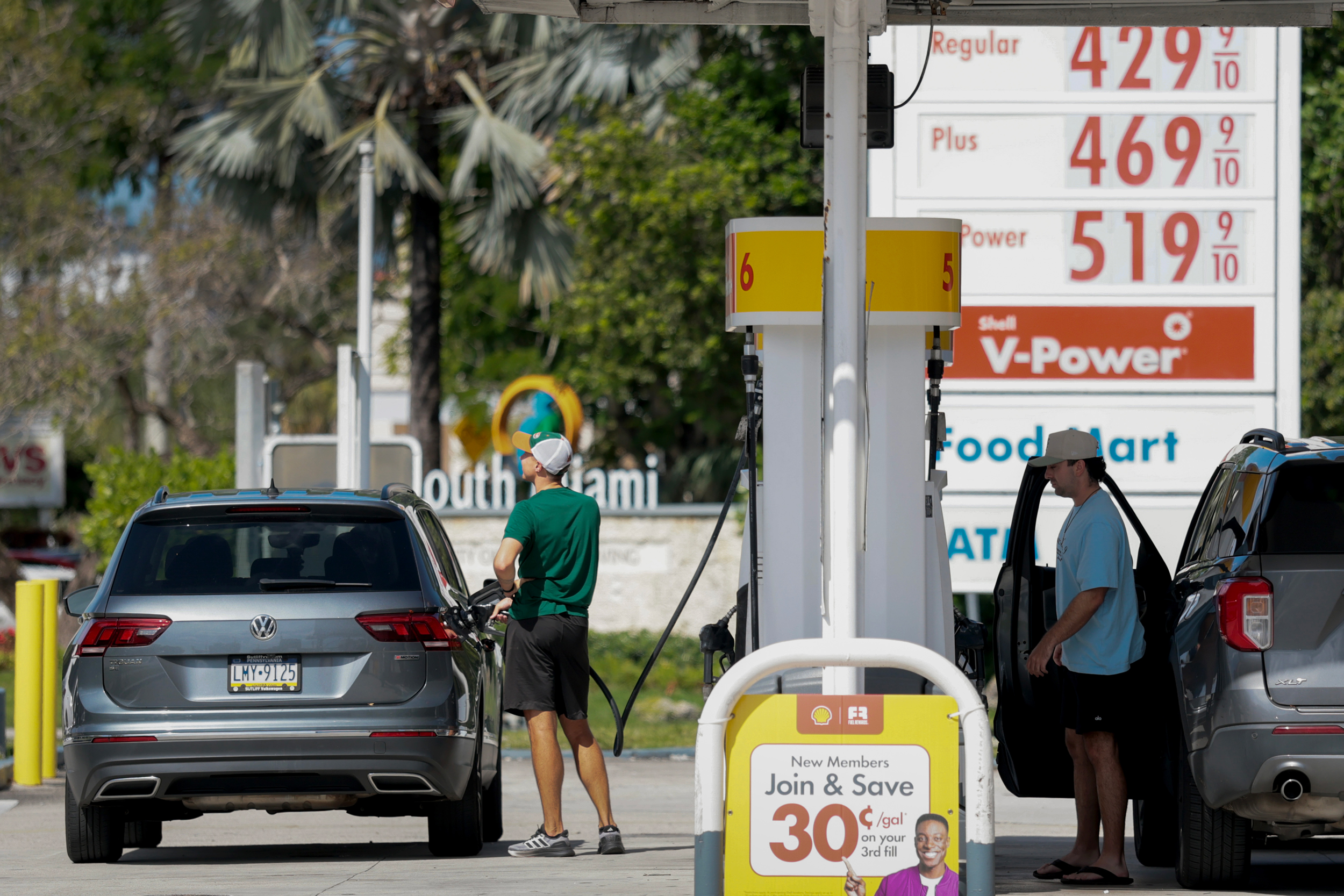
- Gas prices rose above $4 per gallon in the United States, marking a spike that the author experienced during a family trip in Kentucky.
- Joshua Linn, an economist at the University of Maryland and senior fellow at Resources for the Future, said that a $1 per gallon increase in gasoline prices historically raises average vehicle fuel efficiency by only about one mile per gallon, a modest effect.
- U.S. tax credit for electric vehicles was eliminated in October when Congress and President Donald Trump removed the up‑to‑$7,500 incentive for new EVs and the up‑to‑$4,000 incentive for used EVs.
- U.S. automakers responded to the loss of incentives and perceived weak demand by shifting production toward gasoline trucks and SUVs and by canceling or scaling back low‑cost EV models, such as Honda’s three planned U.S. EVs, General Motors’ limited‑run Chevrolet Bolt, and Volkswagen’s ID.4.
- EV sales in the United States fell 27 % year‑over‑year in the first quarter of 2026, with market share dropping to 5.8 % from a 10.6 % peak the previous year, according to Cox Automotive.
- Cox Automotive analyst Stephanie Valdez Streaty noted that the market is now being driven more by long‑term fundamentals than by policy, suggesting that EV growth remains favorable despite the short‑term sales dip.
- Ford CEO Jim Farley, speaking on Fox News, emphasized the importance of protecting U.S. manufacturing from Chinese EV competition while asserting that upcoming Ford EVs will be competitive.
Why it matters: U.S. consumers lose purchasing power as high fuel costs coincide with the disappearance of up to $7,500 EV tax credits, while domestic automakers lose market share to foreign competitors and to a shrinking EV lineup; the sales slump highlights the need for policy and affordable models to unlock EV growth.
Ask SkimNews