Singapore Faces a 'Social Recession' as Friendships Thin — SkimNews
Get the Geopolitics newsletter
Daily geopolitics — wars, elections, sanctions, the diplomatic moves that move markets. Free.
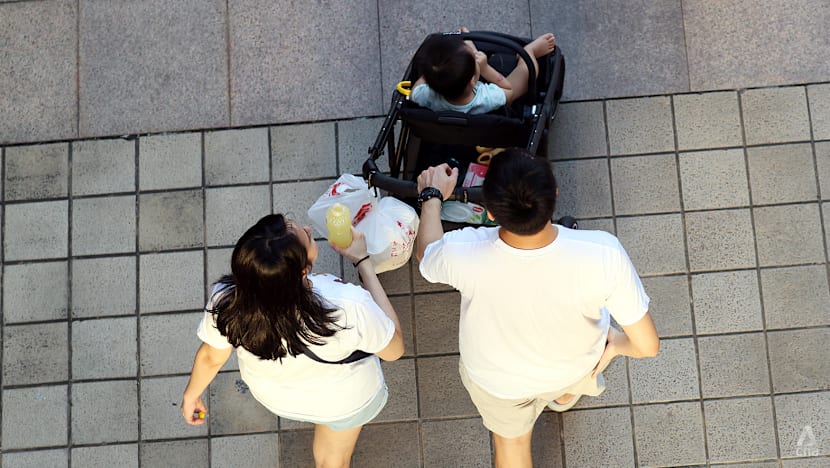
- Singapore's General Household Survey (released Jun 30) shows married couples with children now make up less than half of households for the first time, alongside shrinking family sizes and more young people staying single.
- The Institute of Policy Studies found the average number of close friends held by Singaporeans fell from 10.67 in 2018 to 6.49 in 2024, while National Youth Council data showed youths with no close friends doubling from 4% in 2013 to 8% in 2022.
- Roughly one in three young adults aged 21 to 34 report often feeling isolated or left out, the highest of any age group, per an IPS survey.
- Median volunteer hours dropped from 24 in 2018 to just over 9 in 2023, according to the National Volunteer and Philanthropy Centre, and the share of young people involved in no social group rose from 35% in 2013 to 41% in 2022.
- The erosion is uneven: 20.5% of people with secondary education or below have no close friends versus 7.6% of degree holders, and IPS researchers warn the bonds lost tend to be the cross-class 'bridging' ties a fraying society needs most.
- Singapore's institutional trust remains high at 77% in the 2025 Edelman Trust Barometer against a 52% global average, but researchers caution that strong trust in government can coexist with growing wariness toward citizens of different backgrounds.
- The authors propose time-bank mutual-aid schemes inspired by New Zealand, small randomly selected citizens' assemblies with real say over local budgets, and low-stakes neighbourhood tours through void decks and hawker centres to rebuild everyday contact.
Why it matters: If the trend continues, Singapore's policy researchers argue, the country would follow the US — where the share of Americans with no close friends has quadrupled since 1990 — and Britain and Japan, which both appointed ministers for loneliness. With roughly one in three young adults already reporting frequent isolation, the gap between high government trust and thinning person-to-person bonds is the fault line policymakers from PM Lawrence Wong downward are now trying to close.
Ask SkimNews