Trump Cuts Bears Ears, Grand Staircase to 302,600 Acres — SkimNews
Get the Energy newsletter
Daily energy & climate — solar, EVs, oil, the policy fights and tech bets shaping the transition. Free.
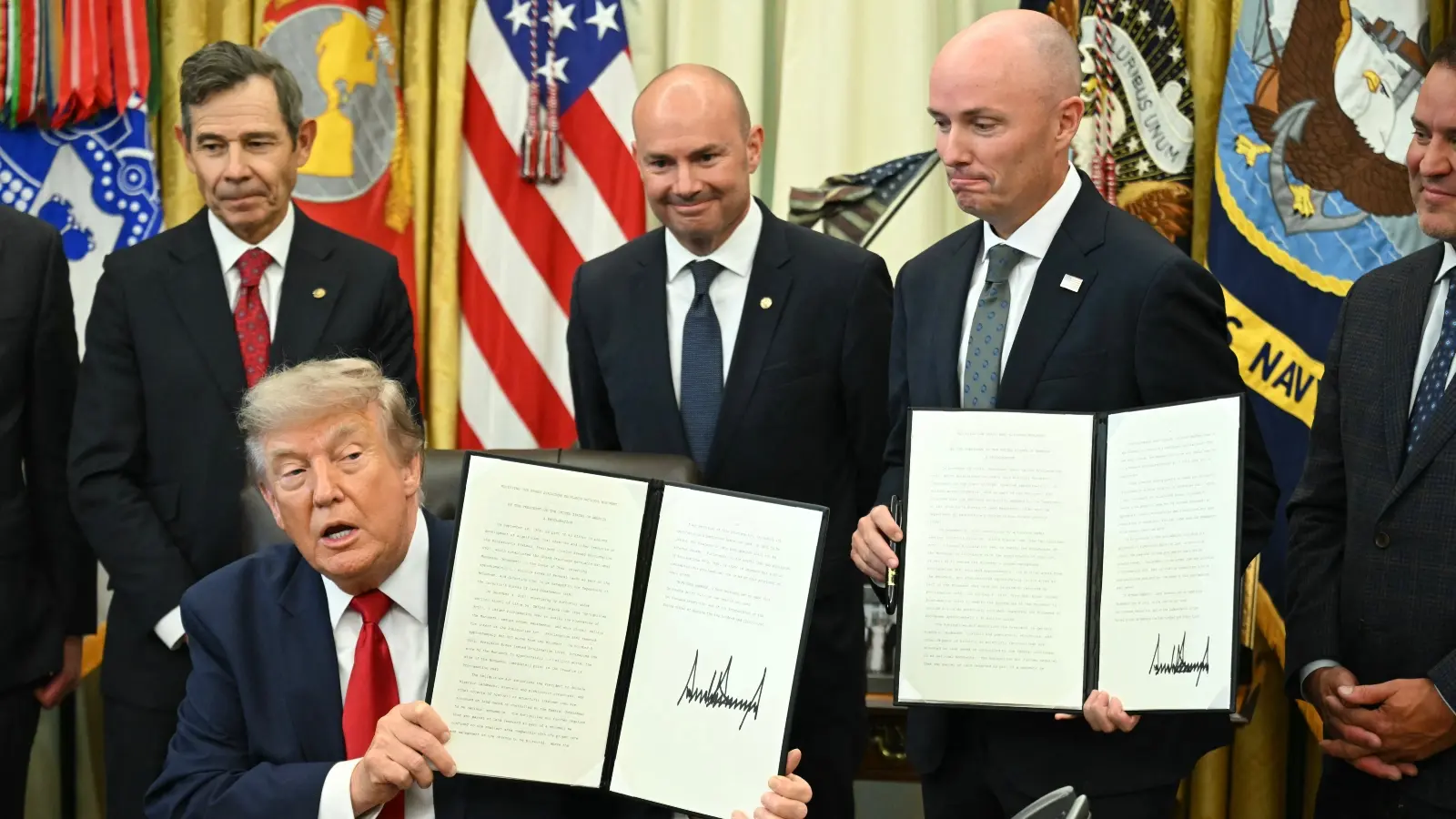
- Trump signed executive orders cutting Bears Ears and Grand Staircase-Escalante National Monuments from over 3 million acres to 302,600 acres combined, reductions that go far further than his 2017 cuts and take effect in 60 days.
- The orders disband and terminate the Bears Ears inter-tribal working group that led the monument's co-stewardship efforts — the first such arrangement for any national monument — and tribal officials said they were not consulted about the decision.
- The proclamations state the reductions align with the administration's goal of opening public lands to extraction, while Trump falsely claimed restrictions had made it impossible to hunt, fish, or walk on the monuments.
- John Ruple, a University of Utah law professor, said the Antiquities Act gives presidents power to create monuments but not rescind them, arguing that power rests with Congress — a question now likely headed back to the courts.
- The orders follow a June 10th Circuit Court decision reviving Utah's lawsuit challenging Biden's restoration of the monuments, and a June DOJ opinion asserting the president has authority to review and eliminate monuments.
- Earthjustice, representing environmental groups and tribal coalitions, vowed to sue again — as it did after the 2017 reductions — while Project 2025 had called for similar cuts and even repealing the Antiquities Act of 1906.
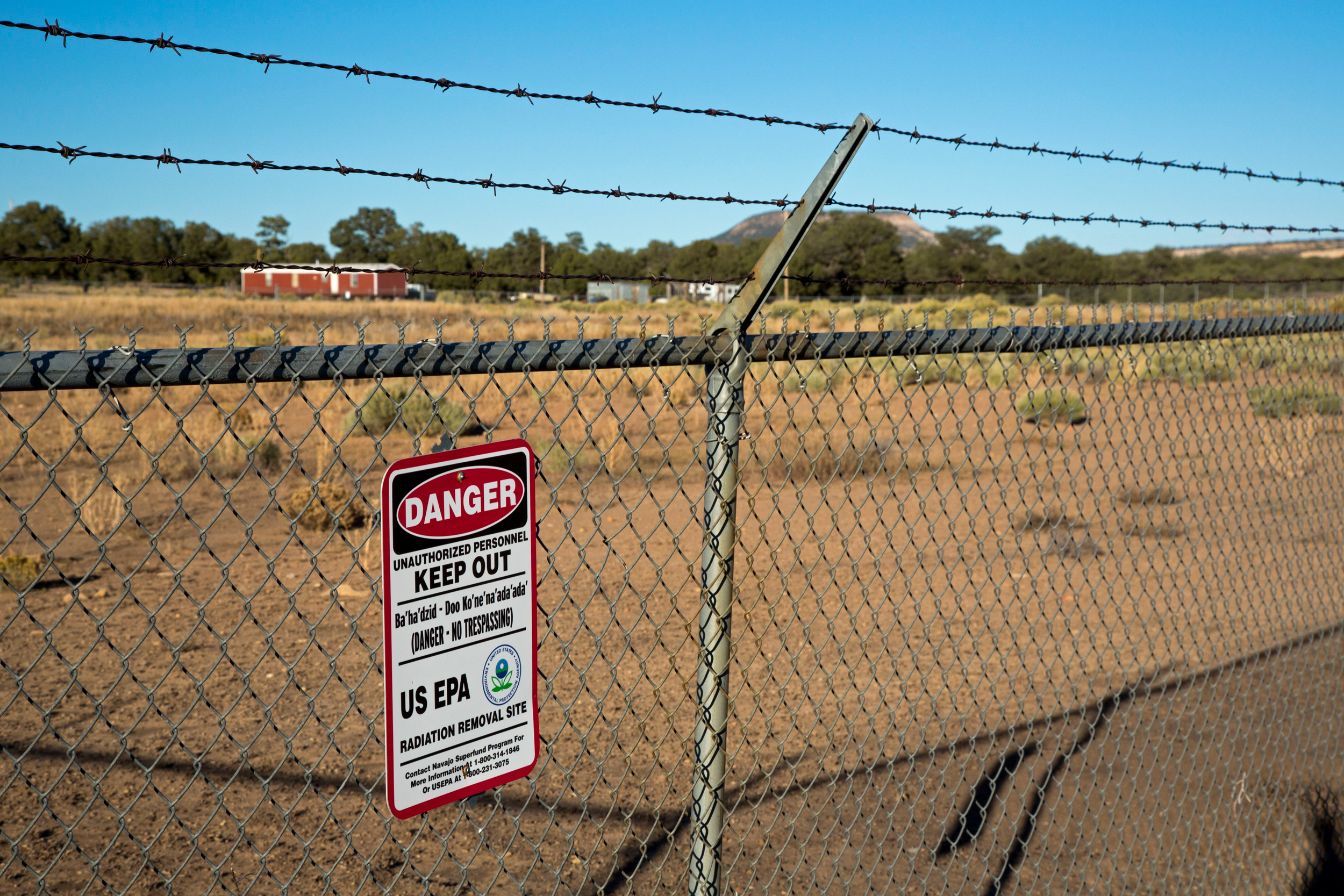
- Davina Smith-Idjesa of the Navajo Nation called the proclamations 'a reminder of genocide and that tribes are expendable,' noting uranium mining in the Four Corners region left members of her family sick and dead.
Why it matters: The orders reduce the monuments by more than three-quarters — from roughly 3 million acres to 302,600 — while explicitly stating the goal is extraction. Legal scholars argue the Antiquities Act gives only Congress rescission power, setting up a court fight over whether tribal co-stewardship and two decades of monument protections survive.
Ask SkimNews