One fought for the South, one for the North. Both are still living the Korean War
Get the Geopolitics newsletter
Daily geopolitics — wars, elections, sanctions, the diplomatic moves that move markets. Free.
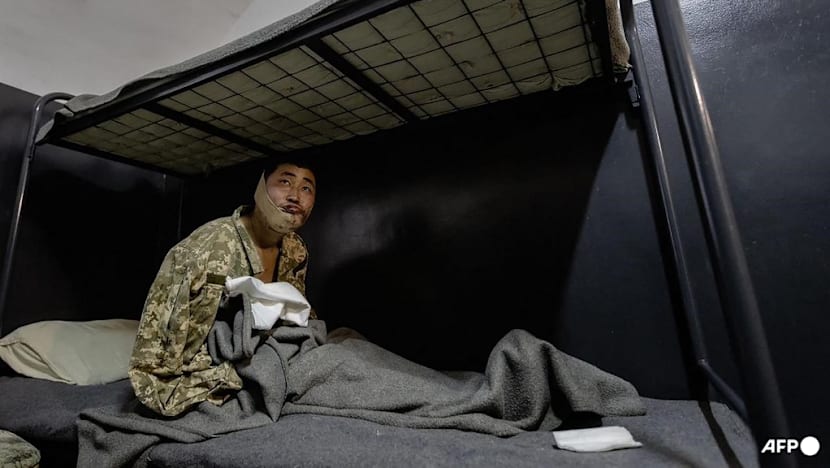
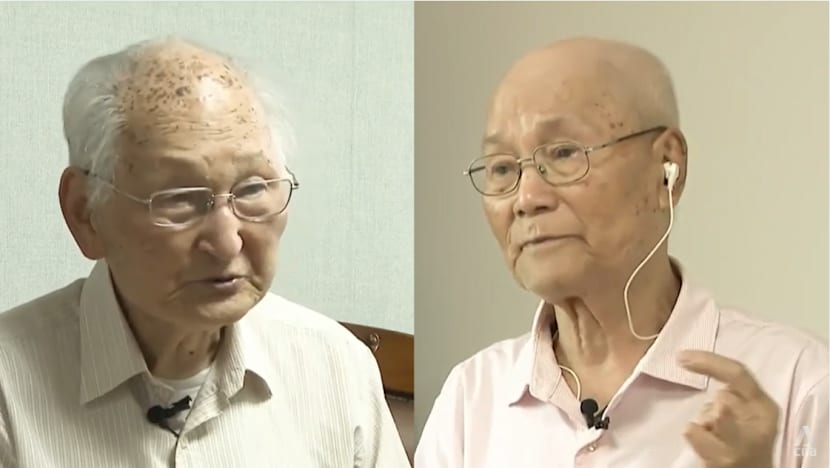
- Lee Seon-woo, now 95, was captured by Chinese forces in Gangwon province on Jul 14, 1953 — just 13 days before the armistice — and spent 53 years in North Korea's coal mines and labour camps before escaping to South Korea in 2006, losing three fingers in combat.
- Upon returning, Lee discovered his parents and two of three siblings had died, while his three daughters — now in their 60s and 70s — chose to remain in North Korea fearing punishment for escape; he is among only 80 former South Korean POWs to have made it back, with just five including him still alive today.
- Ahn Hak-sop, now in his 90s, embraced communism while studying in Kaesong, was captured by South Korean forces, and spent 42 years in prison for refusing to renounce his beliefs before his 1995 release.
- Ahn declined repatriation to North Korea after the 2000 inter-Korean summit to stay and "keep speaking out," but now wishes to die among his comrades — his attempts to reach the North through intermediaries in China and Russia have gone unanswered.
- The Korean War began Jun 25, 1950 with a North Korean attack across the 38th Parallel and ended with an armistice on Jul 27, 1953, but no peace treaty was ever signed, leaving both Koreas technically at war 76 years on.
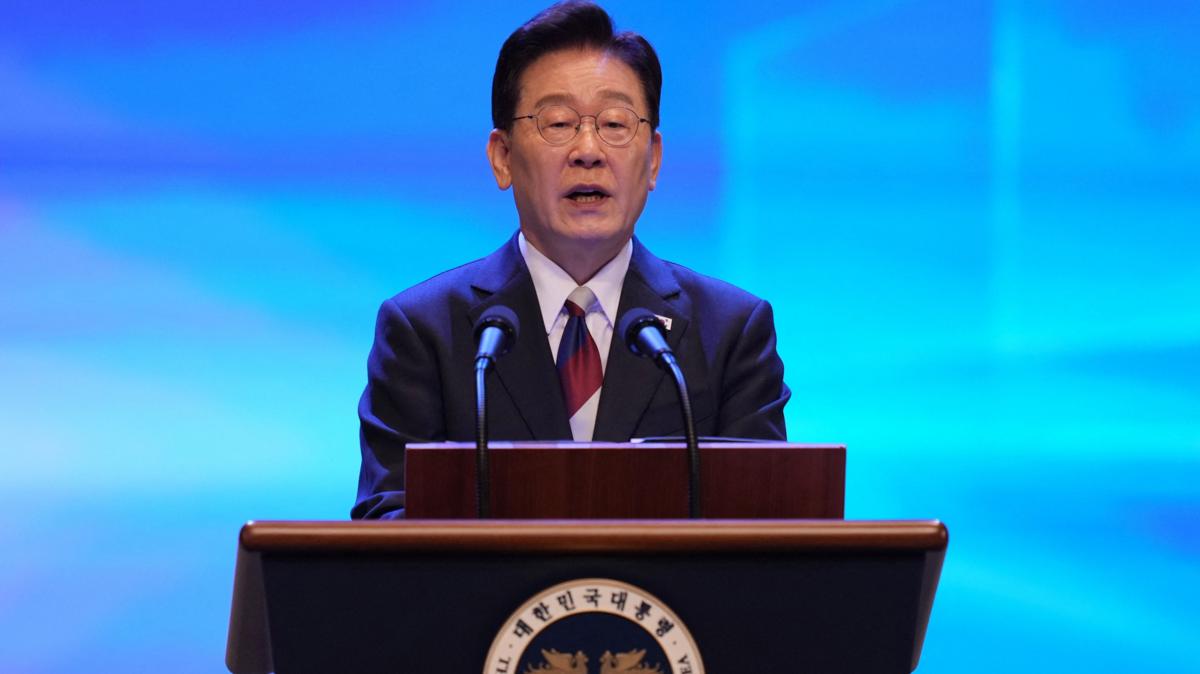
- South Korean President Lee Jae Myung has said his government would not prevent Ahn's return, but with inter-Korean relations frozen, Seoul can do little to reopen the channel.
Why it matters: With only five of the 80 South Korean POWs who escaped north still alive, the human archive of the Korean War is vanishing while the conflict itself remains technically unresolved — Lee's daughters remain trapped in the North, and Ahn, despite President Lee Jae Myung's openness, has no path home as inter-Korean ties stay frozen.
Ask SkimNews