US Sends Mixed Signals to Indo-Pacific Allies on China — SkimNews
Get the Geopolitics newsletter
Daily geopolitics — wars, elections, sanctions, the diplomatic moves that move markets. Free.
- IPAMS convened its 50th seminar in Auckland in late September, bringing together army officials from 25 Indo-Pacific nations under the theme "the sum is greater than the parts: security and deterrence in the Indo-Pacific."
- Lt. Gen. Joel Vowell, deputy commander of U.S. Army Pacific, told attendees that land forces are the "backbone of deterrence" and that collective training generates a stronger deterrence effect than any single nation could achieve alone.
- Brig. Hamish Gibbons, New Zealand's deputy Chief of Army, reinforced that collective strength in the region comes from trusted relationships and a shared security commitment across the 40-nation Indo-Pacific.
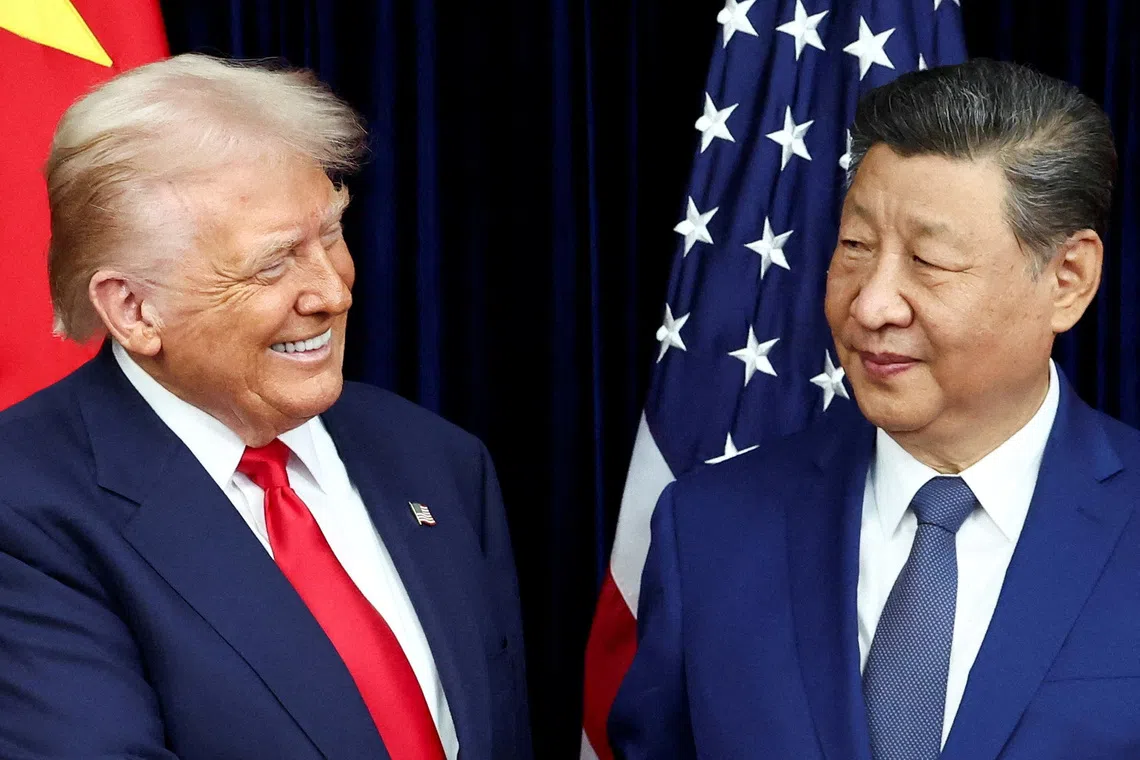
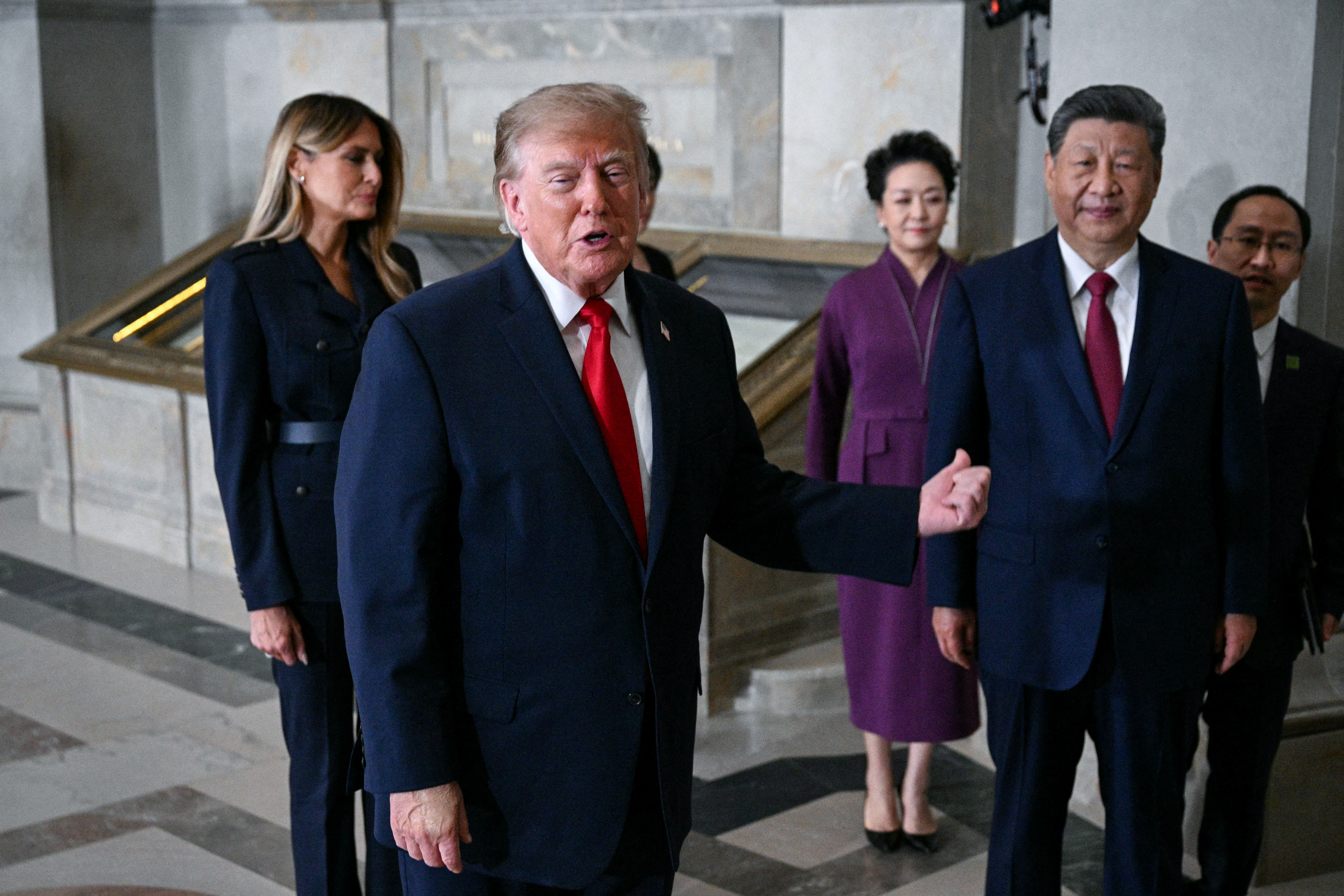
- U.S. Ambassador to China David Perdue disclosed that Trump offered to sell military weapons to Beijing during Xi Jinping's US visit — a move Washington officials later said had no actual plans behind it.
- Ryan Hass of the Brookings Institution wrote that the arms offer "puts to rest" any ambiguity about Trump viewing China as a security threat and will be "unsettling to American partners at the pointy edge of China's spear."
- Rupert Hammond-Chambers, president of the U.S.-Taiwan Business Council, warned in a Sep. 22 open letter that Trump's arms freeze on Taiwan has "let the fox in the henhouse" by empowering China to shape US decisions.
- Drew Thompson of the S. Rajaratnam School of International Studies countered that Trump's off-the-cuff comments would not alter the long-term trajectory of US security commitments to Taiwan or cross-strait relations.
Why it matters: With 25 nations watching, the Trump administration's offer to arm China while withholding weapons from Taiwan creates a credibility gap between US military engagement rhetoric and political-level decision-making — a gap that Beijing can exploit and that frontline partners like Taipei and others along China's military perimeter must now factor into their own defense planning.
Ask SkimNews