Bangladesh's Mango Diplomacy Can't Fix India Rift — SkimNews

Get the Geopolitics newsletter
Daily geopolitics — wars, elections, sanctions, the diplomatic moves that move markets. Free.
- Dhaka's interim administration sent 1,000 kg of Haribhanga mangoes to PM Modi in July 2025 as the centerpiece of a soft-power campaign launched after Sheikh Hasina's July 2024 ouster.
- The cultural push produced visible wins — Bangladesh's first jamdani exposition in Delhi in September 2025 and an April 2026 Tangail saree exhibition of 300 handloom pieces that sold out in 24 hours — though the Tangail show itself became mired in heritage and geographical-indication disputes.
- Visa services were suspended after Hasina's fall and only resumed after Tarique Rahman's BNP won power in February 2026, yet issuance levels have still not returned to pre-2024 figures.
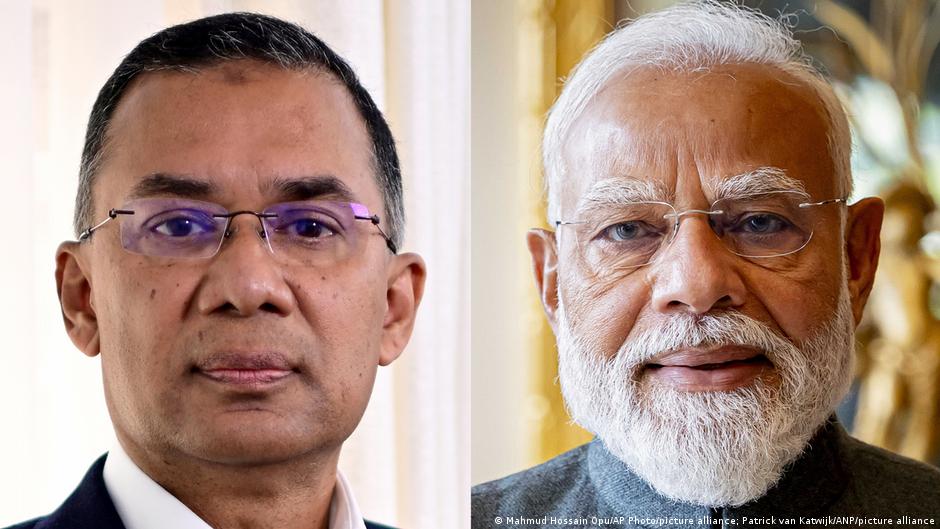
- India invited PM Tarique Rahman to New Delhi for both a bilateral visit and the BRICS summit in his capacity as BIMSTEC chair, but he declined, with each side publicly noting the other's inflexibility.
- Sheikh Hasina remained on Indian soil throughout while Dhaka pursued her formal extradition, and talks over border management, transit rights, and treatment of Bangladeshi citizens stayed deadlocked.
- India's high commissioner in Dhaka, Dinesh Trivedi, has repeatedly called for direct top-level dialogue as the only path to settling outstanding disputes.
Why it matters: Bangladesh's two-year soft-power campaign preserved a diplomatic lifeline, but the unresolved Hasina extradition request, visa shortfall, and stalled Tarique Rahman visit make clear that New Delhi and Dhaka now face substantive political bargaining — over river waters, trade, and regional security — that mangoes and sarees cannot deliver.
Ask SkimNews