Xi arrives for Trump summit as US extends trade truce — SkimNews
Get the Geopolitics newsletter
Daily geopolitics — wars, elections, sanctions, the diplomatic moves that move markets. Free.
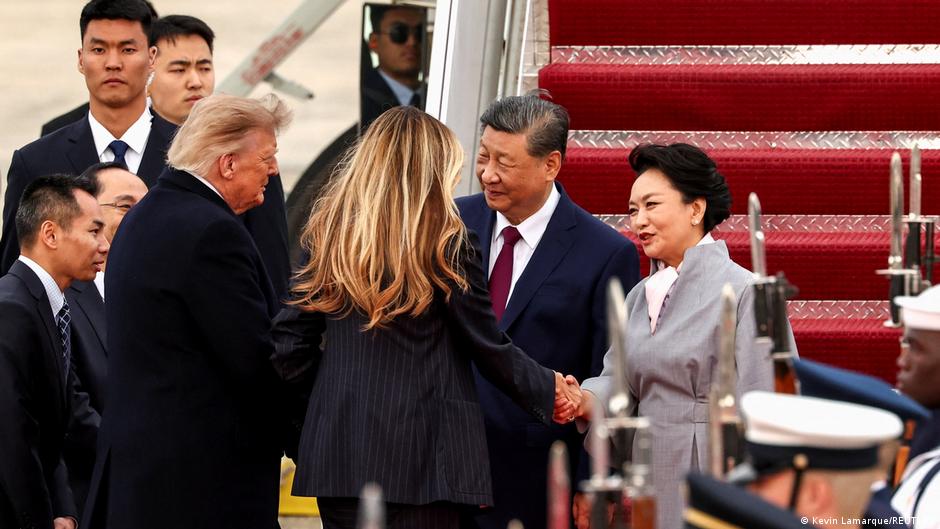
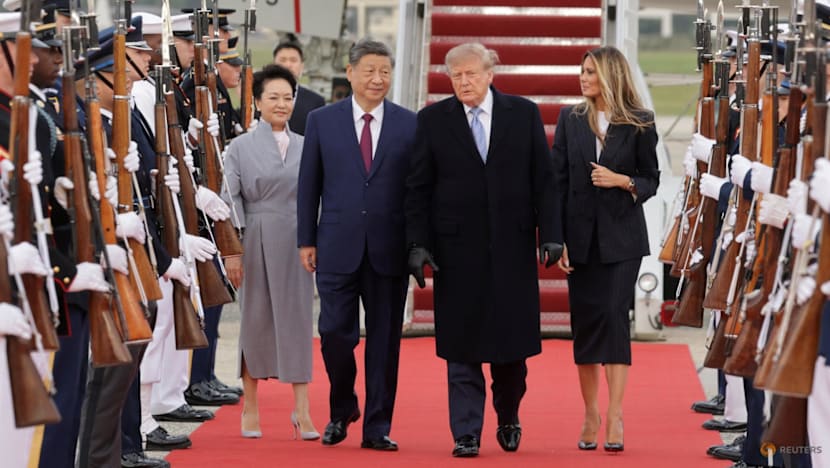
- Xi Jinping arrived in Washington on Sept 23 for his second state visit in 11 years and second summit with Trump this year, with Trump personally greeting him and Peng Liyuan at Joint Base Andrews — a rare departure from the usual White House arrival protocol.
- Treasury Secretary Scott Bessent announced a two-month extension of the US-China trade truce, originally set to expire Nov 10, just as Xi's plane landed.
- The Sept 24 summit agenda includes AI, Taiwan, and Iran, followed by a state dinner attended by Nvidia's Jensen Huang, Tesla's Elon Musk, and Apple's Tim Cook; Trump and Xi could meet twice more this year at APEC in Shenzhen and G20 in Miami.
- A Pew Research survey published Sept 23 found 47% of under-50 Americans gave China a "cold" rating versus 61% of older Americans, with younger Americans viewing China more warmly but still more negatively than positively overall.
- Chinese-American bookstore owner Yu Miao, who fled Shanghai in 2018 after government pressure on his previous store, warned that worsening bilateral tensions could heighten suspicion of Chinese people living in the US, creating "invisible pressure" on their daily lives.
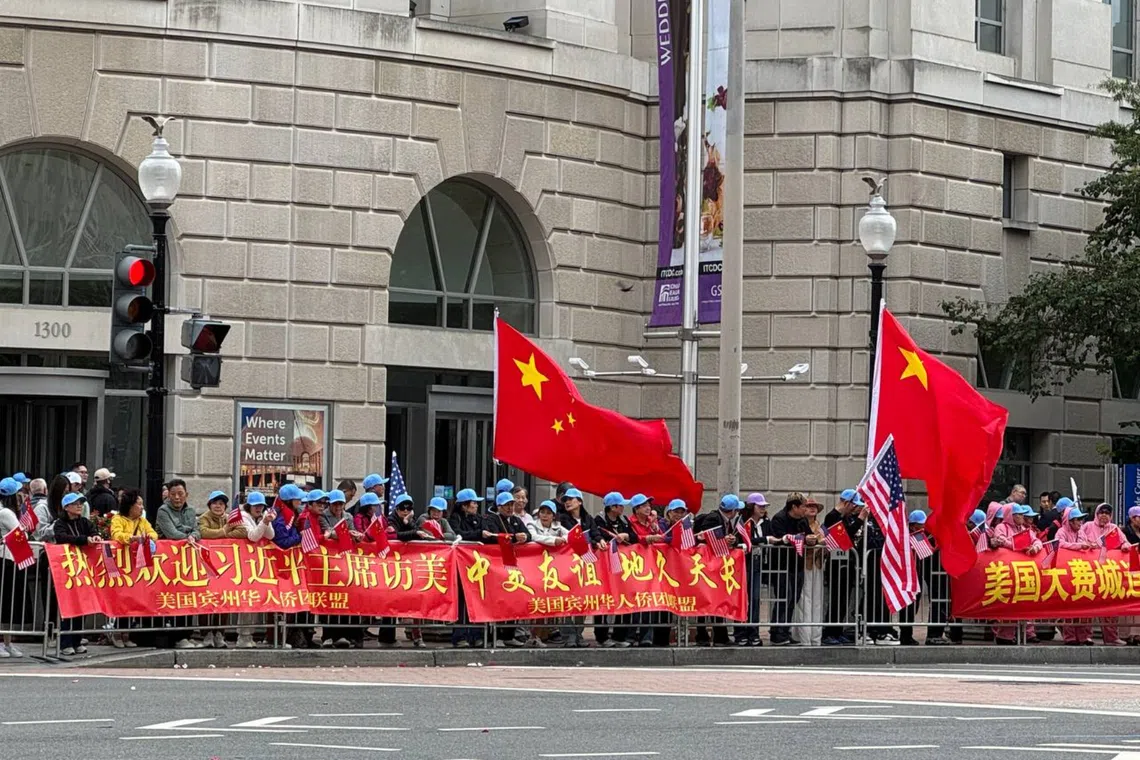
- Chinatown worker Alex Wong said Washington's Chinatown has "steadily hollowed out" with fewer Chinese restaurants and residents, and expressed hope that the three-day presidential visit brings more diners regardless of political views.
- 22-year-old valet Michael Haines, who was unaware of Xi's visit until approached by a reporter, said social media videos of China's humanoid robots amused him but worried him about future military use, and gave China mixed marks on technology versus labor and pollution concerns.
Why it matters: The two-month trade truce extension pushes back a Nov 10 deadline that could have triggered renewed tariffs between the world's two largest economies, buying time for negotiations on AI, Taiwan, and Iran. For the Chinese diaspora in Washington — from bookstore owners wary of rising suspicion to Chinatown merchants hoping for foot traffic — the summit's local fallout may matter more than its geopolitical deliverables, with a Pew survey showing younger Americans warming toward China even as overall sentiment stays negative.
Ask SkimNews