Iowa Puts $100M Into Nitrate‑Removal Water Treatment — SkimNews
Get the Energy newsletter
Daily energy & climate — solar, EVs, oil, the policy fights and tech bets shaping the transition. Free.
- Gov. Kim Reynolds announced a $100M+ water‑treatment package, including a one‑time $25M expansion of the Central Iowa Water Works nitrate‑removal plant that serves >600,000 residents.
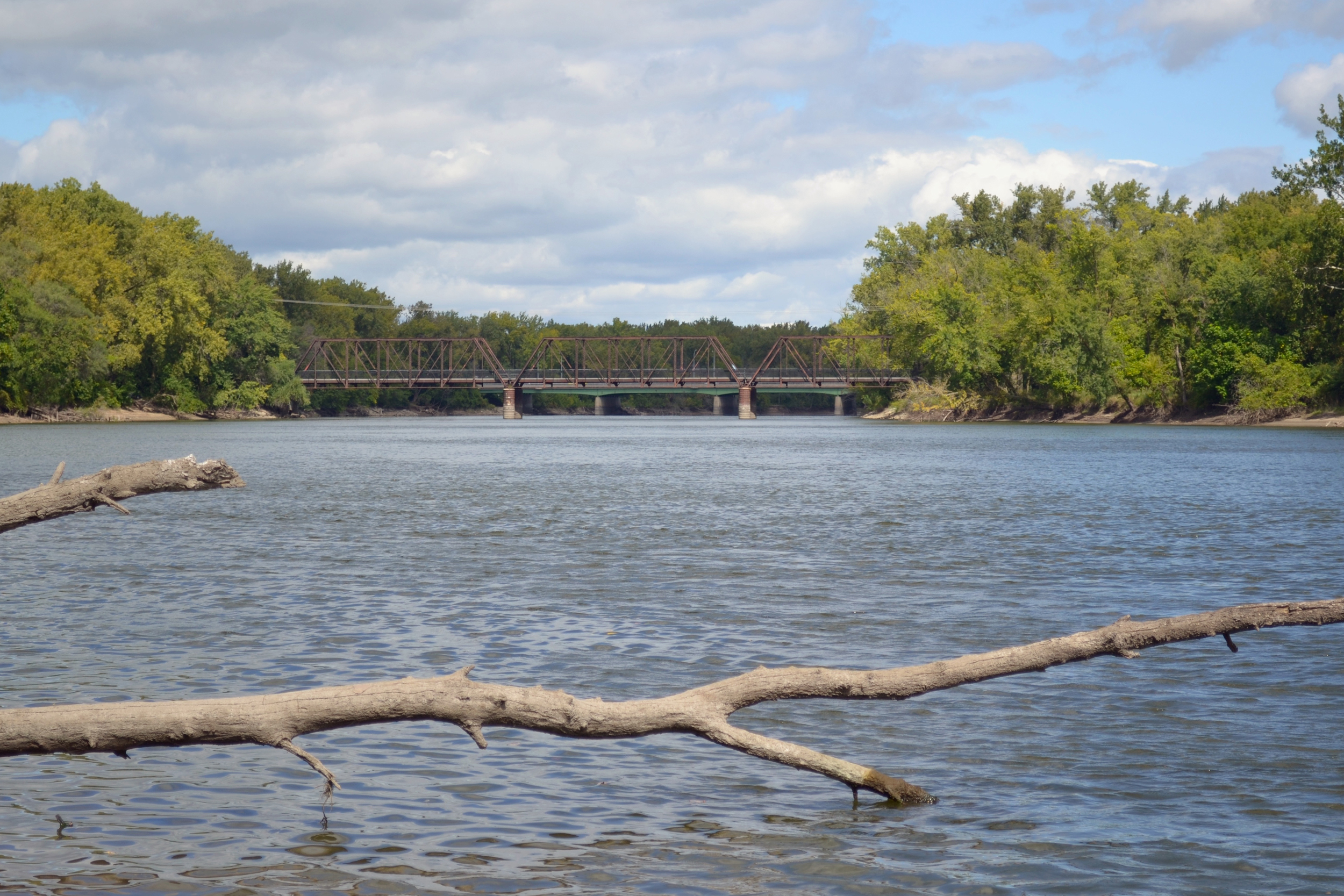
- Central Iowa Water Works has been operating >100 days in 2026 as the Des Moines and Raccoon rivers hit near‑record nitrate levels above the EPA limit of 10 mg/L.
- Iowa Department of Natural Resources reports that since early 2024, public water supplies in at least seven Iowa communities have exceeded the EPA’s maximum contaminant level for nitrates.
- Rural utilities will receive $76M in grant and loan funding to upgrade water‑treatment facilities statewide.
- Iowa Department of Agriculture and Land Stewardship will get $52M to expand voluntary farm‑conservation practices—cover crops, no‑till, and nitrate‑reducing wetlands—in the Des Moines watershed.
- Food & Water Action criticizes the plan as ignoring the root causes of nitrate pollution, noting a February poll in which 79 % of Iowa voters support mandatory agricultural pollution standards.
- Iowa Water Quality Information System is excluded from funding; instead the DNR’s ambient water‑quality monitoring program receives $500,000 annually, far less frequent than the University of Iowa’s continuous sensor network that lost state funding in 2023.
Why it matters: The $100 M package will improve water‑treatment capacity for Des Moines and selected rural utilities, but by omitting mandatory agricultural controls and cutting funding for real‑time monitoring, it leaves many Iowa communities vulnerable to nitrate‑related health risks while giving polluters little incentive to change.
Ask SkimNews